There are moments in a nation’s life that feel less like a turning point and more like a quiet weighing of direction—where choices are not made in haste, but gathered carefully, like threads in a larger tapestry. Elections often carry this gentle gravity, a pause in the rhythm of governance where voices rise not in volume, but in number. In Denmark, such a moment unfolds as voters step forward once again, each ballot a small reflection of a broader national mood.
At the center of this unfolding chapter stands Mette Frederiksen, seeking a third term as prime minister. Her leadership, shaped by years marked with both stability and challenge, now returns to the public for renewed consideration. Campaigns, in this sense, become less about singular promises and more about continuity, trust, and the subtle recalibration of priorities.
The Danish political landscape, known for its measured tone and coalition-driven approach, adds further nuance to the moment. Elections here are rarely defined by sharp divides alone, but rather by the careful negotiation of ideas across parties. As such, Frederiksen’s bid is not simply a personal endeavor, but one that interacts with a broader framework of alliances and policy discussions that extend beyond any single platform.
Voters, for their part, bring to the ballot box a range of considerations shaped by both domestic concerns and wider European currents. Economic stability, social welfare, and responses to global developments all form part of the quiet dialogue between leadership and electorate. Each issue, while distinct, contributes to an overall sense of direction that the country may choose to follow.
Frederiksen’s tenure has seen Denmark navigate periods of uncertainty alongside moments of continuity. This dual experience often becomes a lens through which leadership is evaluated—not only for decisions made, but for the manner in which challenges were approached. In seeking a third term, she invites voters to reflect on this record while considering the path ahead.
At the same time, opposition voices and alternative visions remain an integral part of the democratic process. Their presence ensures that the election is not merely a reaffirmation, but a genuine exploration of possibility. The interplay between continuity and change, between established leadership and emerging perspectives, gives the moment its quiet complexity.
As ballots are cast, the atmosphere is less one of urgency and more one of steady anticipation. Results, when they arrive, will not only determine leadership but also signal the evolving priorities of Danish society. In this sense, the election becomes both a conclusion and a beginning—a closing of one chapter and the careful opening of another.
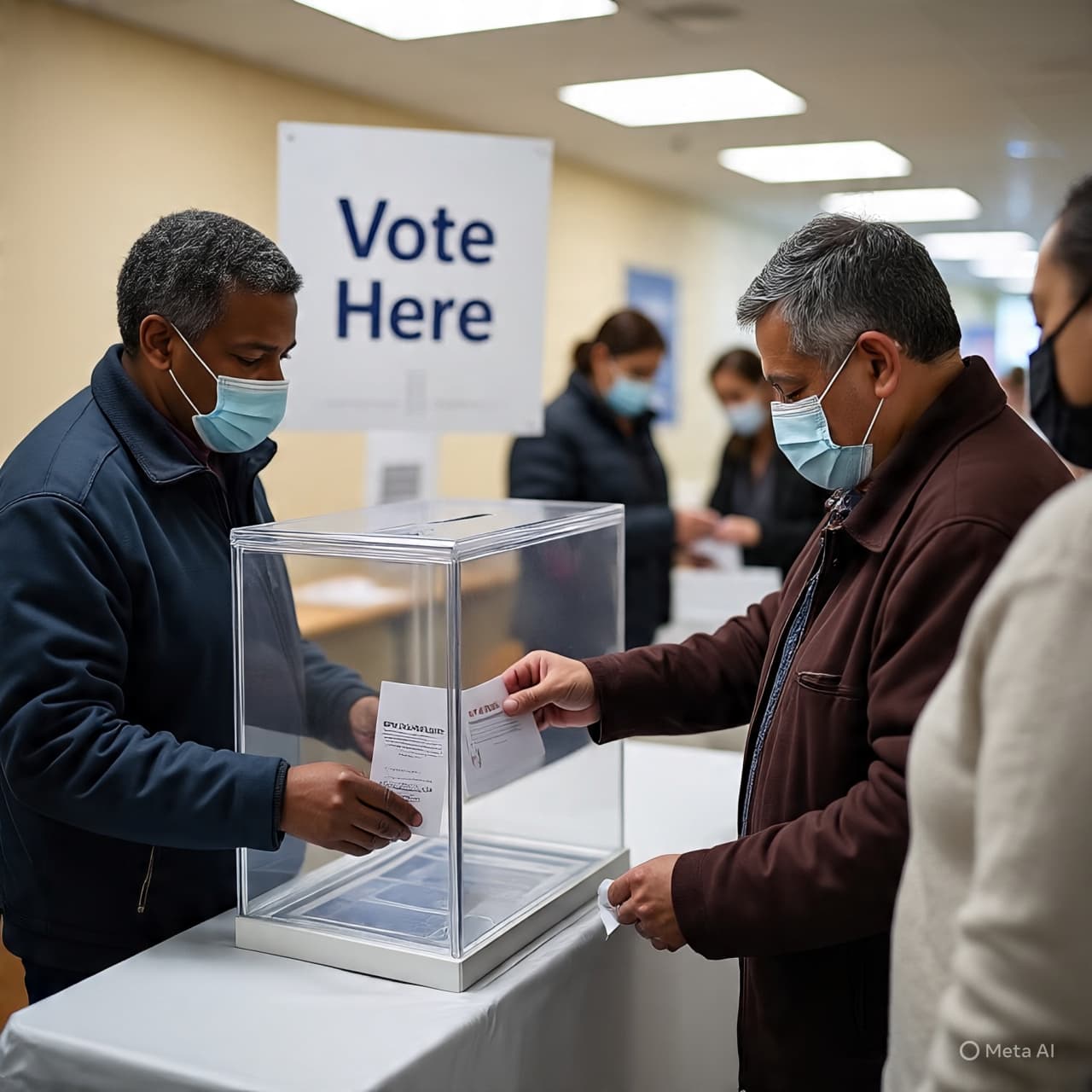
For now, voting is underway across Denmark, with Mette Frederiksen seeking to secure a third term in office. Early indications suggest a closely watched outcome, with coalition possibilities likely to shape the formation of the next government.
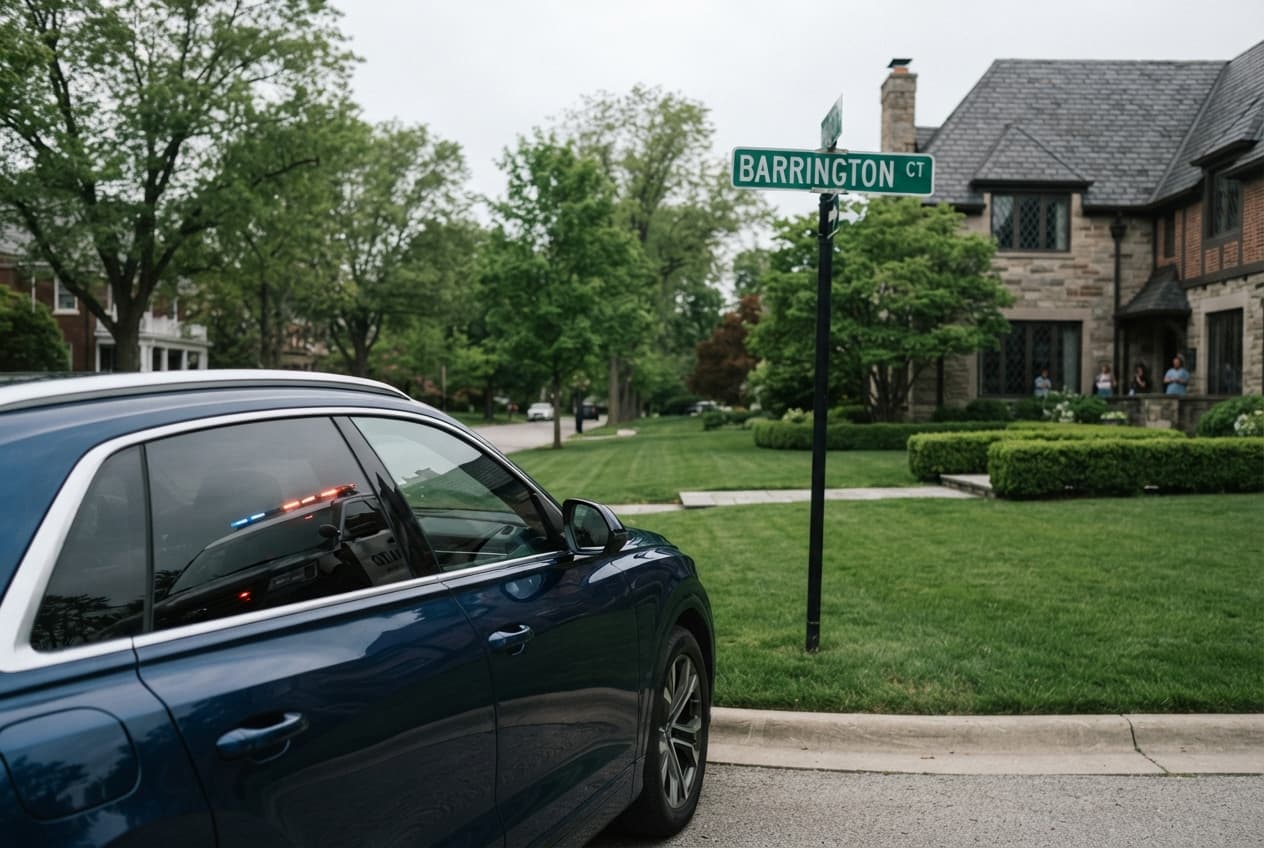
AI Image Disclaimer Visuals are created with AI tools and are not real photographs.
Source Check (Credible Media Identified): Reuters BBC Politico Europe The Guardian Financial Times
Published by Banx Network. This article is part of the Banx decentralized media programme, powered by the BXE token on the XRP Ledger.