
Key Highlights
- Mette Frederiksen seeks a third term as Prime Minister of Denmark.
- The elections reflect a balance of continuity and change in Danish politics.
- Voter concerns include economic stability and social welfare.
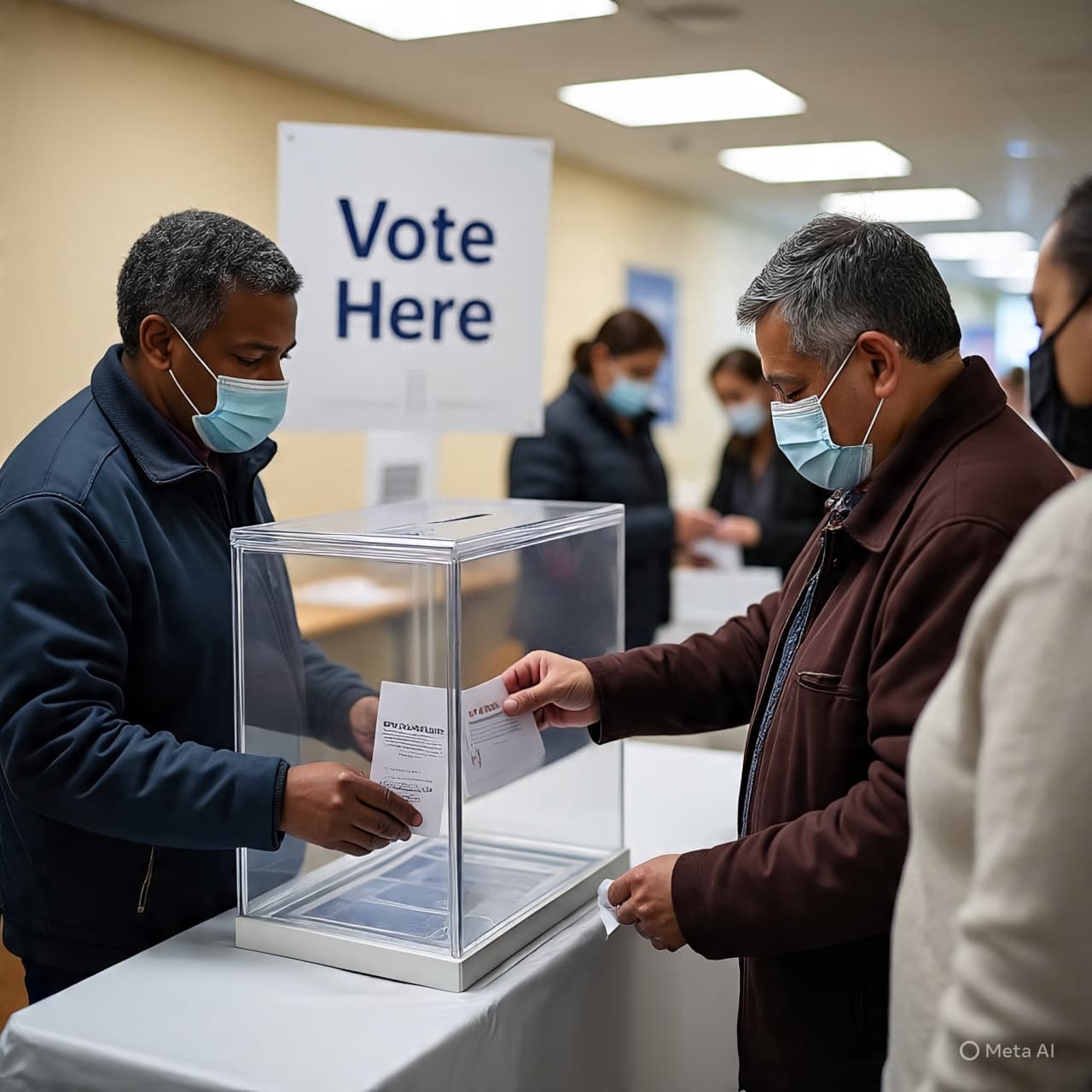
Denmark is currently at a pivotal moment as voters head to the polls, reflecting on the leadership of Prime Minister Mette Frederiksen, who is seeking a third term. This election is not just a routine political event; it represents a significant juncture in the nation's governance, where the electorate weighs the merits of continuity against the allure of change. Each ballot cast is a testament to the collective mood of the country, shaped by both domestic issues and broader European dynamics.
Mette Frederiksen's leadership has been characterized by a mix of stability and challenges, particularly in the wake of the COVID-19 pandemic and its economic repercussions. Her administration has focused on maintaining social welfare systems while navigating the complexities of global economic pressures. As she campaigns for another term, Frederiksen emphasizes her record of governance, inviting voters to consider the successes and lessons learned during her tenure.
The Danish political landscape is unique, often defined by coalition-building and a collaborative approach to governance. This election is no exception, as Frederiksen's bid is intertwined with the broader political framework that includes various parties and their platforms. The nuanced nature of Danish politics means that voters are not merely choosing a leader but are also engaging in a dialogue about the future direction of the country.
Voter sentiment is influenced by a range of factors, including economic stability, social welfare policies, and responses to international events. As citizens prepare to cast their votes, these considerations weigh heavily on their minds. The election serves as a reflection of the public's priorities and concerns, highlighting the delicate balance between maintaining established policies and exploring new avenues for progress.
While Frederiksen's campaign focuses on continuity, opposition parties are also presenting alternative visions for Denmark's future. This dynamic ensures that the election is not merely a reaffirmation of the status quo but an opportunity for voters to explore different perspectives and potential changes in leadership. The interplay between established leadership and emerging voices adds depth to the electoral process, making it a rich tapestry of ideas and aspirations.
As the voting unfolds, the atmosphere is marked by a sense of anticipation rather than urgency. The results will not only determine the next Prime Minister but will also signal the evolving priorities of Danish society. This election represents both a conclusion to one chapter of governance and the careful opening of another, as the nation considers its path forward.
With early indications suggesting a closely contested outcome, the formation of the next government will likely hinge on coalition negotiations, reflecting the collaborative spirit that defines Danish politics. As ballots are cast across the country, the stakes are high, and the implications of this election will resonate well beyond the immediate results.
Published by Banx Network. This article is part of the Banx decentralized media programme, powered by the BXE token on the XRP Ledger.



