

Key Highlights
- Primary elections are taking place across several states, drawing national attention.
- New York City Mayor Zohran Mamdani's endorsements are pivotal for progressive candidates.
- President Trump supports multiple candidates in a South Carolina gubernatorial race, showcasing his influence.
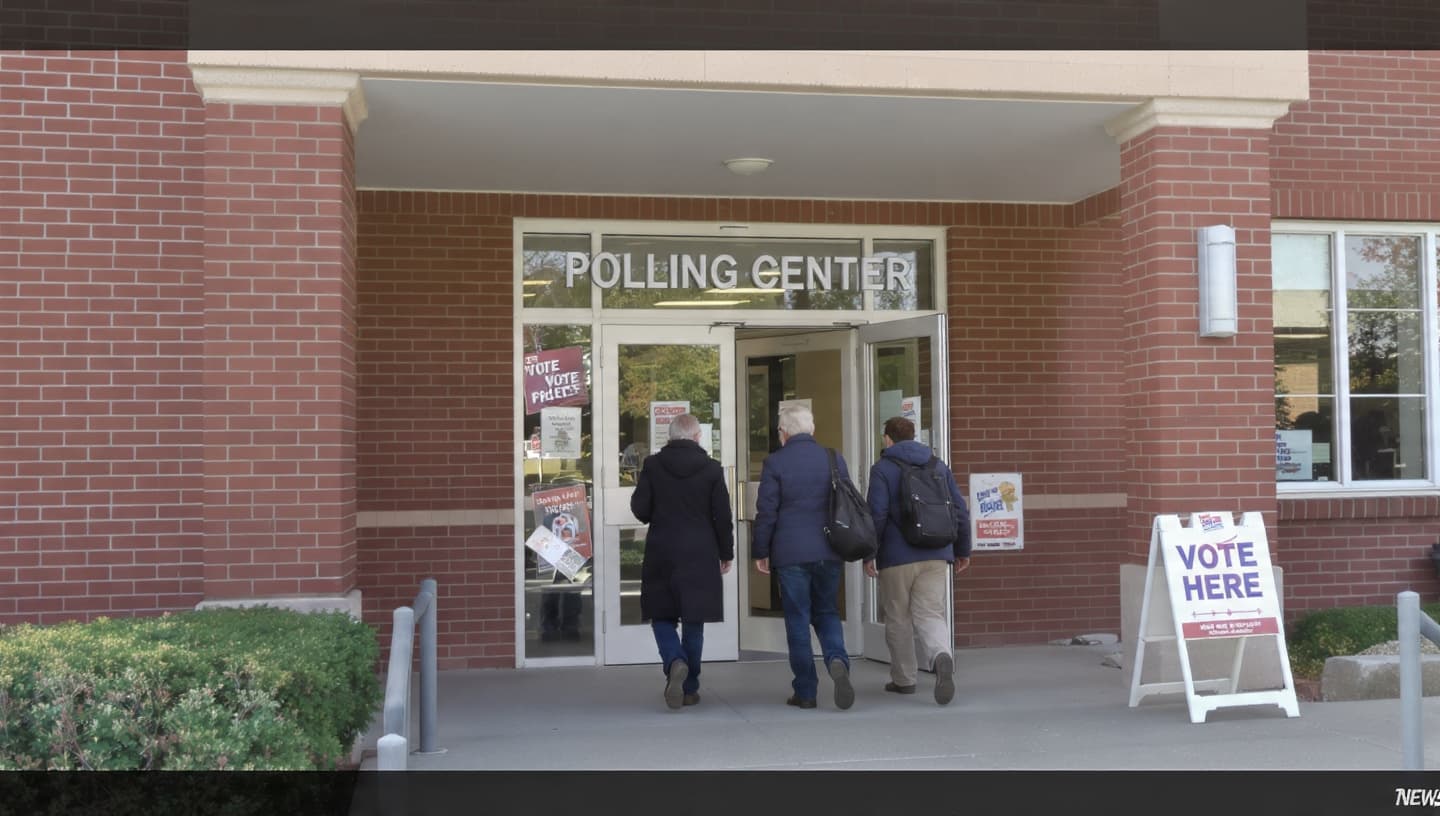
The upcoming primary elections are more than just a routine electoral process; they represent a significant moment for political parties and their evolving ideologies. As voters head to the polls on Tuesday, they will not only select candidates but also signal the strength of various political movements within the Democratic and Republican parties. This year's primaries are particularly noteworthy as they feature candidates backed by influential figures, indicating a potential shift in party dynamics.
In New York, Mayor Zohran Mamdani's endorsements of progressive candidates aligned with the Democratic Socialists of America are drawing considerable attention. These races are seen as a litmus test for the democratic socialist movement's influence within the Democratic Party. If these candidates succeed, it could signal a broader acceptance of progressive policies and ideologies, potentially reshaping the party's platform in the years to come.
Meanwhile, in South Carolina, the political landscape is becoming increasingly complex as former President Donald Trump has thrown his support behind multiple candidates in a high-stakes Republican gubernatorial primary. Analysts suggest that this strategy reflects Trump's enduring influence within the party and highlights the competitive nature of the race. His endorsements could sway undecided voters and impact the overall outcome, making this primary a critical event to watch.
In addition to these key races, several congressional contests in New York and Maryland are expected to play a significant role in shaping future political debates. The dynamics between moderate and progressive Democrats, as well as Republicans in competitive districts, will likely influence campaign strategies as the general election approaches. These races are crucial for both parties as they seek to solidify their positions and appeal to a diverse electorate.
The backdrop of these elections is marked by national discussions on pressing issues such as economic policy, immigration, and the regulation of artificial intelligence. Advocacy groups and political action committees have ramped up their campaign spending, further intensifying the competition in several races. This influx of funding underscores the importance of these primaries in determining which candidates will represent their parties in the upcoming general elections.
Historically, primary elections tend to attract lower voter turnout compared to general elections. However, they hold significant importance as they set the stage for which candidates will advance to the November ballot. This year's primaries are no exception, with numerous races providing insights into the evolving political coalitions and priorities of voters.
As the polls close and results begin to emerge, Tuesday's primaries will offer a glimpse into the alliances and political currents that could shape the national landscape in the months ahead. The outcomes may not only influence party strategies but also reflect the changing priorities of the electorate, making these elections a pivotal moment in the political calendar.
Published by Banx Network. This article is part of the Banx decentralized media programme, powered by the BXE token on the XRP Ledger.




