
Key Highlights
- Excess Deaths:At least 3,700 additional fatalities reported.
- Affected Regions:France, Belgium, and the Netherlands are the most impacted.
- Vulnerable Populations:Older adults and those with limited cooling access are at higher risk.
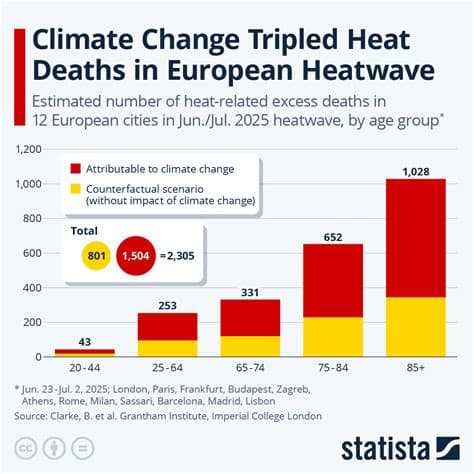
A prolonged heatwave sweeping across Europe has led to a sharp rise in mortality, prompting health authorities in France, Belgium, and the Netherlands to report at least 3,700 excess deaths during the period of extreme temperatures. This alarming figure reflects additional fatalities beyond what would normally be expected, underscoring the health risks posed by prolonged heat—especially for older people and those living in settings with limited access to cooling.
As the hottest weather persisted, officials issued warnings and took public health measures to mitigate the impact of the heat. Some public events were cancelled due to health concerns, highlighting the seriousness of the situation. Authorities emphasized that the deaths were concentrated among vulnerable groups, including those with limited ability to cope with indoor heat or without adequate ventilation and cooling.
The heatwave’s impact is part of a broader pattern of worsening extreme heat in Europe, which has been exacerbated by climate change. Officials have stressed the need for comprehensive heat-health action plans to reduce harm during future events. These plans may include public awareness campaigns, increased access to cooling centers, and targeted outreach to at-risk populations.
In addition to the immediate health risks, the heatwave has raised concerns about the long-term implications of climate change on public health. Experts warn that as global temperatures continue to rise, extreme heat events are likely to become more frequent and severe, posing significant challenges for health systems across Europe.
The situation has prompted discussions among policymakers about the need for more robust infrastructure to protect vulnerable populations during heatwaves. This includes improving housing conditions, enhancing public health responses, and ensuring that communities have the resources they need to cope with extreme weather events.
As Europe continues to grapple with the effects of climate change, the recent heatwave serves as a stark reminder of the urgent need for action to protect public health and mitigate the impacts of extreme weather.
Published by Banx Network. This article is part of the Banx decentralized media programme, powered by the BXE token on the XRP Ledger.



