
Key Highlights
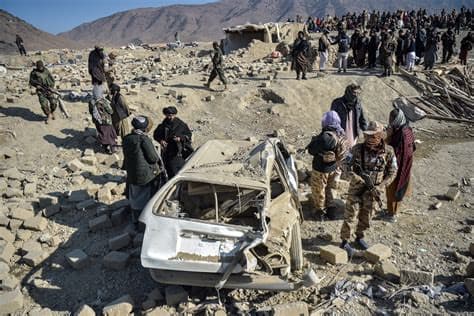
- Casualties:At least 28 reported killed in Pakistan's air operations in Afghanistan.
- UN Involvement:The United Nations has confirmed the fatalities, raising alarms about civilian safety.
- Rising Tensions:Ongoing military actions have escalated tensions between Pakistan and Afghanistan.
The United Nations has reported that at least 28 individuals were killed as a result of Pakistan's air operations targeting areas within Afghanistan. This assessment from the UN has heightened international concern regarding the implications of cross-border military actions on civilians residing near the border and in the affected provinces. The UN's findings underscore the urgent need for both nations to prioritize civilian safety amidst ongoing military engagements.
The situation has become increasingly complex as tensions between Pakistan and Afghanistan escalate. Both countries have accused each other of providing refuge and support to militant groups, which has led to a series of military confrontations. Recent weeks have seen a combination of airstrikes and ground operations, further complicating the humanitarian landscape in the region. The UN has issued warnings regarding the necessity of adhering to international humanitarian law, emphasizing the protection of civilians caught in the crossfire.
The reported fatalities have intensified scrutiny of Pakistan's military strategy, with various human rights organizations and international observers calling for immediate de-escalation. Activists have urged both governments to cease operations that jeopardize civilian lives and to engage in dialogue aimed at resolving underlying tensions. The UN's report serves as a critical reminder of the human cost associated with military actions in conflict zones.
As the situation develops, the international community is closely monitoring the actions of both Pakistan and Afghanistan. The UN's call for compliance with humanitarian standards is echoed by numerous advocacy groups, which stress the importance of protecting innocent lives during military operations. The ongoing conflict not only affects those directly involved but also has broader implications for regional stability and security.
In conclusion, the tragic loss of life reported by the UN highlights the urgent need for both nations to reassess their military strategies and prioritize the safety of civilians. As calls for accountability and restraint grow louder, the hope remains that diplomatic efforts can pave the way for a peaceful resolution to the ongoing conflict.
Published by Banx Network. This article is part of the Banx decentralized media programme, powered by the BXE token on the XRP Ledger.



