
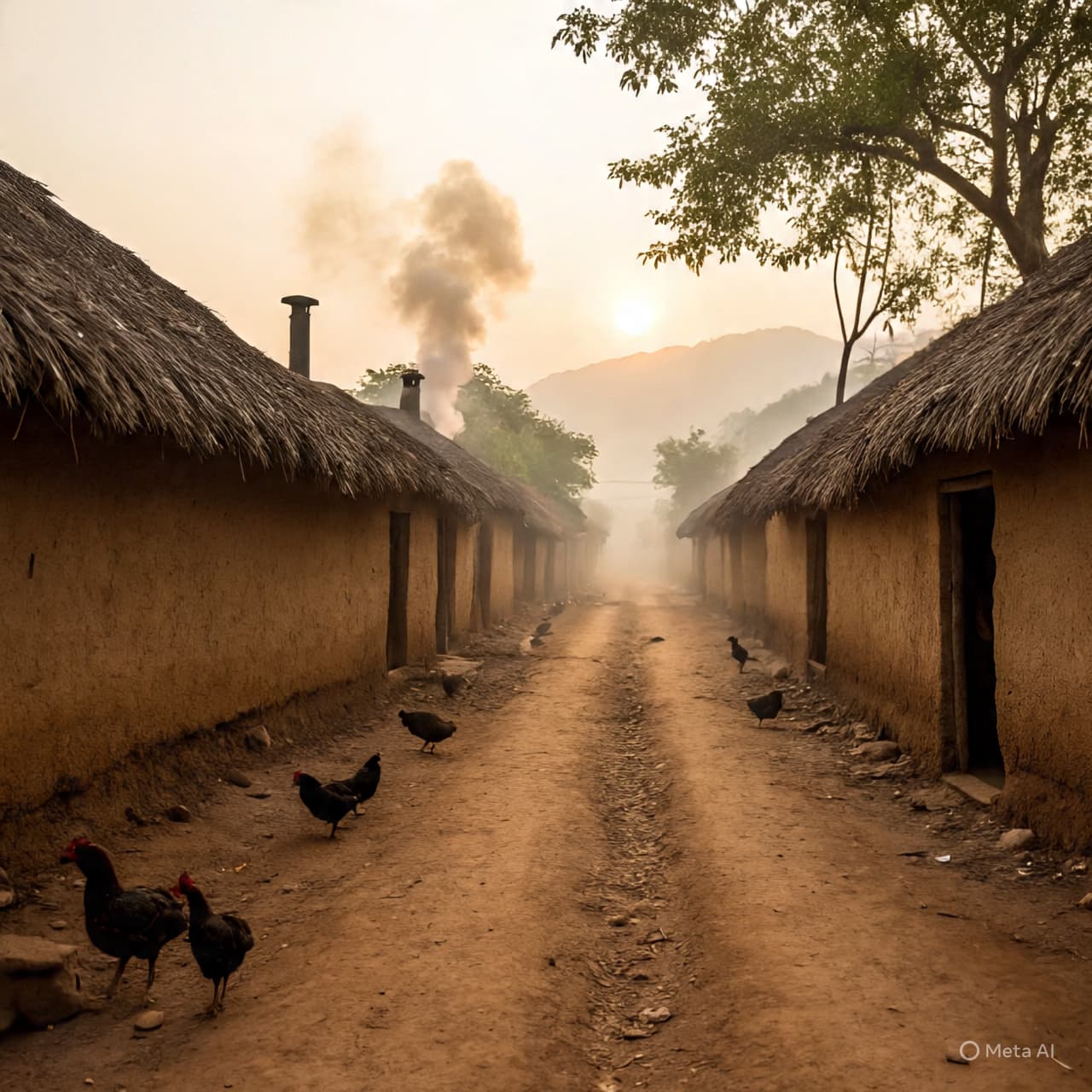
At first light in Niger State’s quiet countryside, the horizon appeared as it always had — low, golden, and slow to stir. But before the warmth of dawn could settle, a different sound broke through the still air: the harsh rev of motorbikes, the crack of gunfire, the sudden movement of fear. Within moments, three villages — Tunga-Makeri, Konkoso, and Pissa — were transformed from places of ordinary rhythm into scenes of devastation.
Gunmen on motorcycles swept into these communities in the early morning, firing indiscriminately, setting homes ablaze, and forcing families to scatter into the bush. Witnesses spoke of the chaos that followed — of neighbors shouting warnings, of children pulled by hand through the fields, of the heavy silence that came once the noise subsided. When the gunfire faded, dozens lay dead, and others were missing, their absence marking another grim chapter in a long season of rural violence.
For residents of Niger State, such attacks have become a cruel rhythm of their own — unpredictable yet familiar, their aftermath heavy with grief. Local authorities confirmed that at least three dozen people were killed in the raids, though survivors fear the toll could rise as search efforts continue. The attackers, moving swiftly between villages, left behind scorched earth and burned homes, the remnants of a life interrupted.
This pattern of violence, often described simply as “banditry,” stretches across Nigeria’s northwest, where armed groups exploit the vast terrain and limited security presence. Their motives blur between profit and power — kidnappings for ransom, raids for supplies, and acts of retaliation that fold into an ever-widening cycle of fear. Despite ongoing military operations and security campaigns, vast stretches of farmland and forest remain vulnerable, giving these groups both cover and reach.
The government has promised reinforcement of patrols and new strategies to confront the escalating insecurity. Yet in communities like those struck that morning, promises feel distant against the immediacy of loss. For villagers rebuilding from ashes, the questions are simple but piercing — when will safety return, and how much longer can ordinary people bear the weight of violence that now shadows the ordinary act of living?
The attacks in Niger State are part of a broader story — one not only of armed conflict, but of endurance. Amid the charred wood and fallen walls, survivors continue to gather what remains, tending to the wounded and burying their dead with quiet dignity. The sound of motorbikes has long faded from their roads, but in its wake lingers an absence — a stillness that holds both sorrow and resilience.
As evening falls again over the plains, smoke drifts faintly above the hills, and villagers sit beneath trees whispering prayers for those lost. The light, even in its dimness, falls evenly across the ground — on ruins and rebuilding alike — carrying with it the quiet persistence of a people who, though shaken, remain.
AI Image Disclaimer Visuals were created using AI tools and serve as conceptual representations.
Sources (Media Names Only) Associated Press Al Jazeera News24 Reuters Xinhua
Published by Banx Network. This article is part of the Banx decentralized media programme, powered by the BXE token on the XRP Ledger.


