

Key Highlights
- Protests in Menorca:Hundreds of residents participated in a demonstration against overtourism.
- Campaign Details:The 'We Are Fed Up' movement highlights issues like housing and water management.
- Tourism Statistics:Menorca faces a staggering ratio of 2,000 tourists for every 100 residents.
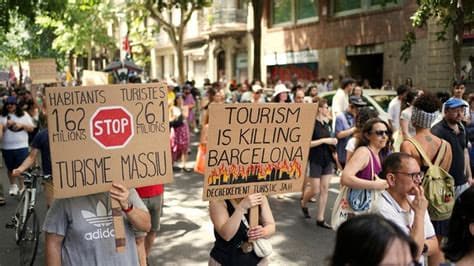
Protests in Menorca have brought to light the escalating challenges posed by overtourism in Europe. On a recent Saturday, hundreds of residents rallied under the banner of the campaign “We Are Fed Up,” donning costumes resembling ants to symbolize their plight. The demonstration aimed to raise awareness about the severe impact of tourism on local communities, particularly concerning housing shortages, water management issues, and labor instability.
The organizers of the protest assert that the growth of tourism on the island over the past 15 years has been unsustainable. They report that the current influx of visitors has created a staggering ratio of approximately 2,000 tourists for every 100 residents. This overwhelming number has led to increased living costs, pushing many locals to the brink of displacement. The residents fear that the charm and character of Menorca are being eroded by the relentless pursuit of tourist dollars.
The 'We Are Fed Up' campaign has garnered significant attention, not only for its creative approach but also for its urgent message. Protesters highlighted the dire consequences of unchecked tourism, including the depletion of local resources and the strain on public services. Many participants expressed their frustration, stating that the island's infrastructure is struggling to cope with the demands of mass tourism.
Local authorities have been urged to take immediate action to address these pressing issues. Advocates for sustainable tourism argue that without a strategic plan to manage visitor numbers and protect local communities, the very essence of Menorca could be lost. The protesters are calling for policies that prioritize the needs of residents over the interests of the tourism industry.
As the movement gains momentum, it reflects a broader trend across Europe, where cities and regions are grappling with the consequences of overtourism. From Barcelona to Venice, communities are increasingly vocal about the need for balance between welcoming visitors and preserving their way of life. The Menorca protests serve as a poignant reminder of the urgent need for sustainable tourism practices that respect both the environment and local populations.
In conclusion, the situation in Menorca is emblematic of a larger crisis affecting many tourist destinations worldwide. As residents continue to advocate for their rights and the future of their island, the hope is that their voices will lead to meaningful change in how tourism is managed in the region.
Published by Banx Network. This article is part of the Banx decentralized media programme, powered by the BXE token on the XRP Ledger.




