
Key Highlights
- Recent elections in Thailand reflect a pivotal moment for democracy.
- Youth engagement and reformist parties are reshaping the political landscape.
- Economic stability is closely tied to perceptions of political continuity.
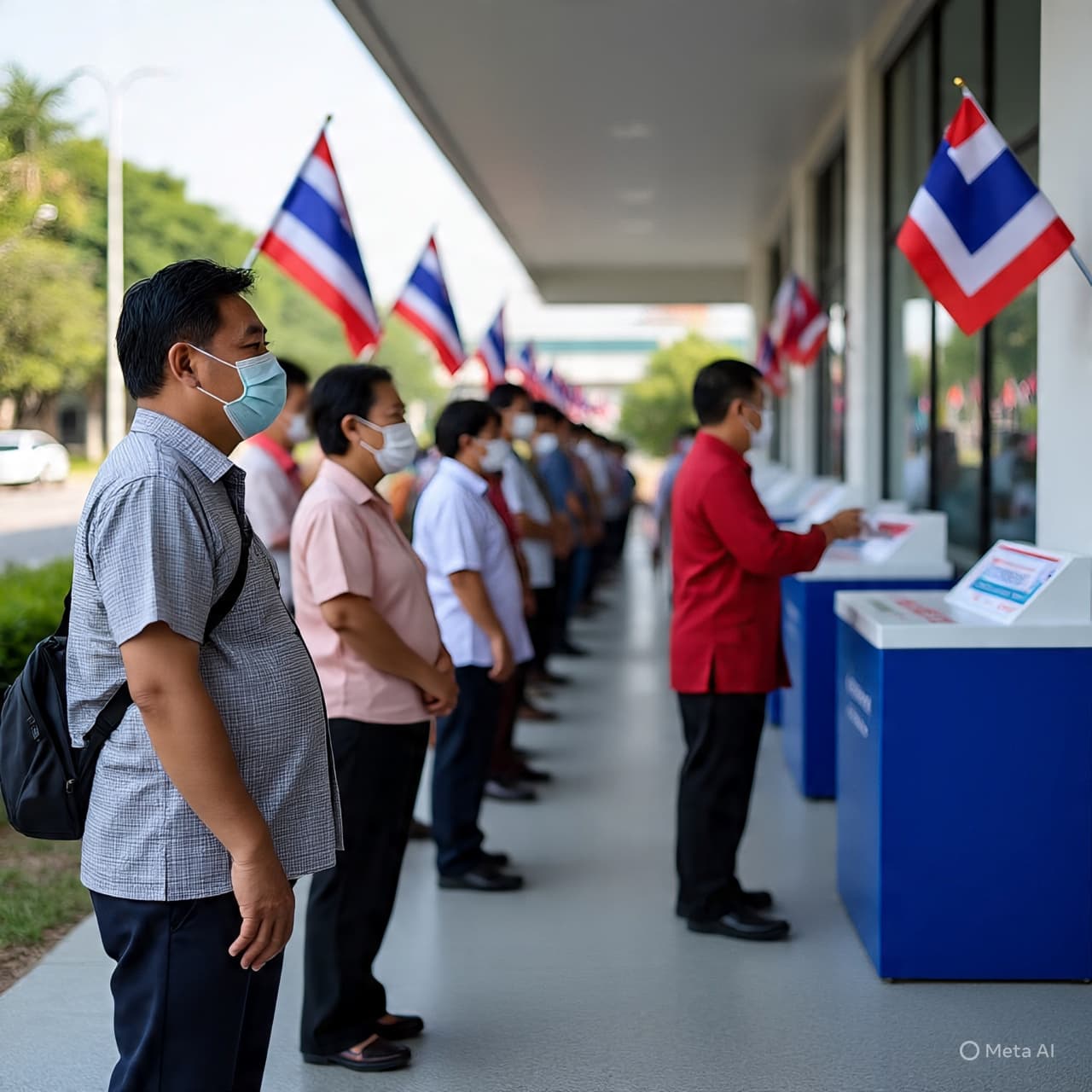
The recent election in Thailand unfolded against a backdrop of economic unease, generational change, and enduring political fault lines. In a country where democracy has been interrupted and reshaped more than once, each vote is rarely just procedural; it is reflective, layered with memory and possibility. The air in Thailand often feels suspended between patience and anticipation, mirroring the collective hopes of millions who cast their ballots in the hope of redirecting the nation’s course.
For many younger voters, participation was not merely a civic duty but a statement of identity — an affirmation of aspirations for transparency, institutional reform, and broader freedoms. The Move Forward Party emerged as a significant force, resonating strongly with urban and first-time voters. Their platform, which calls for structural reform, economic modernization, and recalibrated civil-military relations, captures a growing appetite for change among the electorate.
However, the political landscape in Thailand is complex. The Pheu Thai Party, long associated with populist economic policies and rural support bases, remains a pivotal force. The interplay between these parties illustrates a broader dynamic within Thai politics: reformist momentum meeting entrenched institutional frameworks. Coalition-building, negotiation, and constitutional constraints will likely shape the ultimate direction of governance in the coming months.
For Thailand’s beleaguered pro-democracy forces, the election offers both encouragement and caution. Voter turnout and youth engagement signal sustained public interest in participatory politics. Yet, caution is warranted as past electoral victories have not always led to uninterrupted administrations. The legacy of dissolved parties, court interventions, and political recalibrations lingers in the national consciousness, reminding citizens of the fragility of democratic progress.
Economically, the stakes are equally significant. Thailand’s growth trajectory, tourism recovery, and foreign investment climate depend on perceptions of political stability. Investors often look not only at electoral outcomes but at how smoothly power transitions occur and how predictably policies are implemented. A government that can balance reform ambitions with institutional continuity may reassure markets while advancing domestic priorities.
Socially, the election reflects a country negotiating its generational transition. Younger Thais, digitally connected and globally aware, articulate visions of governance that emphasize accountability and reform. At the same time, traditional institutions and conservative constituencies continue to exert influence. The future may not be defined by one sweeping transformation but rather by incremental adjustments shaped through dialogue and compromise.
What this election ultimately means for Thailand will depend less on headline victories and more on the patient mechanics that follow — coalition talks, parliamentary procedures, and judicial review. Pro-democracy advocates have demonstrated resilience and organizational capacity, yet they remain mindful of structural constraints embedded within the system.
As official results settle and political negotiations unfold, Thailand enters another chapter in its evolving democratic narrative. The coming months will reveal how effectively electoral mandates align with constitutional realities. For now, the country stands at a measured crossroads — guided by ballots cast, institutions in place, and a public attentive to what comes next.
Published by Banx Network. This article is part of the Banx decentralized media programme, powered by the BXE token on the XRP Ledger.



