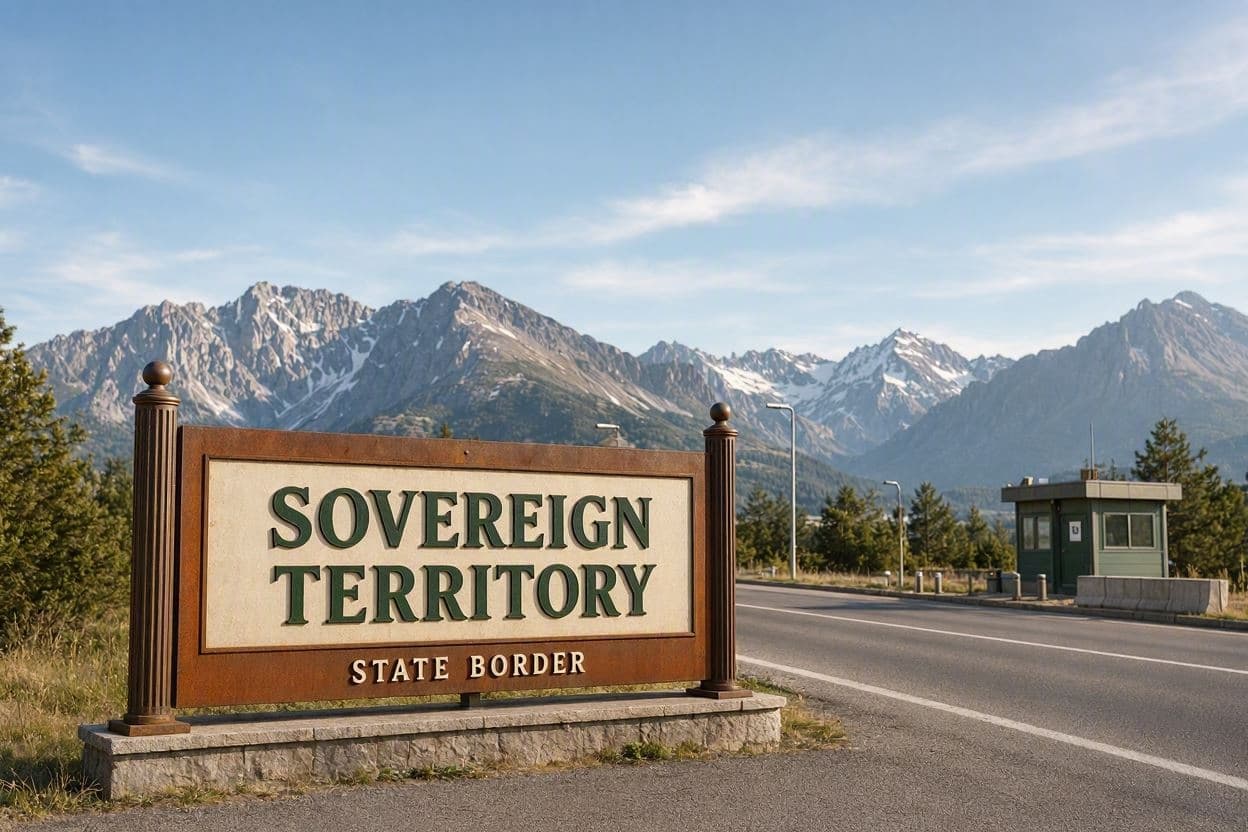
Borders are more than lines on a map; they are symbols of identity, sovereignty, and shared values. At the crossing between British Columbia and the United States, a new message greets travelers: a firm declaration that Canada will never be the 51st state. Unveiled by the Premier of British Columbia, these welcome signs serve as both a greeting and a statement of national pride. In a time of shifting geopolitical dynamics, such symbolic gestures resonate deeply, reminding citizens and visitors alike of the distinct character and independence of the Canadian nation. It invites us to reflect on what it means to be Canadian in a North American context.
The signs feature bold lettering that leaves no room for ambiguity, asserting Canada’s permanent status as a sovereign nation. This initiative comes amidst broader discussions about trade, security, and cultural exchange between Canada and the U.S. While the two countries share a long history of cooperation and friendship, maintaining a distinct national identity is crucial for many Canadians. The Premier’s move underscores the importance of celebrating this uniqueness, especially at points of entry where identities intersect.
For travelers crossing the border, the sign serves as a warm yet assertive welcome. It acknowledges the close ties between the two nations while firmly establishing the boundary of Canadian jurisdiction. This balance of friendliness and firmness reflects the nuanced relationship between neighbors who are deeply interconnected yet politically separate. It is a reminder that partnership does not imply assimilation, and that diversity strengthens the continental fabric.
The reaction to the signs has been largely positive within British Columbia, with many residents viewing them as a proud affirmation of Canadian values. Social media has buzzed with images of the signs, accompanied by messages of national pride. This grassroots enthusiasm highlights the emotional connection people have with their country’s symbols. It shows that even small gestures can spark large conversations about identity and belonging.
Critics might argue that such statements are unnecessary given the stable relationship between Canada and the U.S. However, proponents suggest that in an era of global uncertainty, reaffirming sovereignty is a prudent and empowering act. It signals to the world that Canada is confident in its place and committed to its own path. This confidence can foster stronger international respect and clearer diplomatic engagements.
The design of the signs incorporates elements of British Columbia’s natural beauty, linking national pride with regional identity. Images of mountains, forests, or coastlines may accompany the text, grounding the political message in the physical landscape. This aesthetic choice reinforces the idea that Canada’s identity is deeply rooted in its land and environment. It creates a welcoming atmosphere that is both visually appealing and intellectually stimulating.
From a tourism perspective, the signs add a unique landmark for visitors. They become photo opportunities that spread the message further, turning a routine border crossing into a memorable experience. This creative approach to public messaging enhances the visitor experience while promoting national branding. It demonstrates how infrastructure can serve multiple purposes, from functional to symbolic.
As the signs are installed at various border crossings, they will stand as silent sentinels of Canadian independence. They remind us that while we share a continent, we maintain our own voice, values, and vision. This distinction is not a barrier to cooperation but a foundation for mutual respect. It is a celebration of what makes Canada unique in the world.
The new border welcome signs in British Columbia assert Canada’s sovereignty with pride and clarity. They highlight the importance of national identity in international relations. Let us embrace this symbol of independence and unity.
AI Image Disclaimer: Please be aware that images used in this context are AI-generated visualizations for illustrative purposes.
Sources: CBC News British Columbia Global News BC Vancouver Sun
Published by Banx Network. This article is part of the Banx decentralized media programme, powered by the BXE token on the XRP Ledger.