

Key Highlights
- China’s nuclear warhead stockpile projected to exceed 1,000 by 2030.
- India enhances long-range missile capabilities in response.
- North Korea's threats escalate regional tensions.
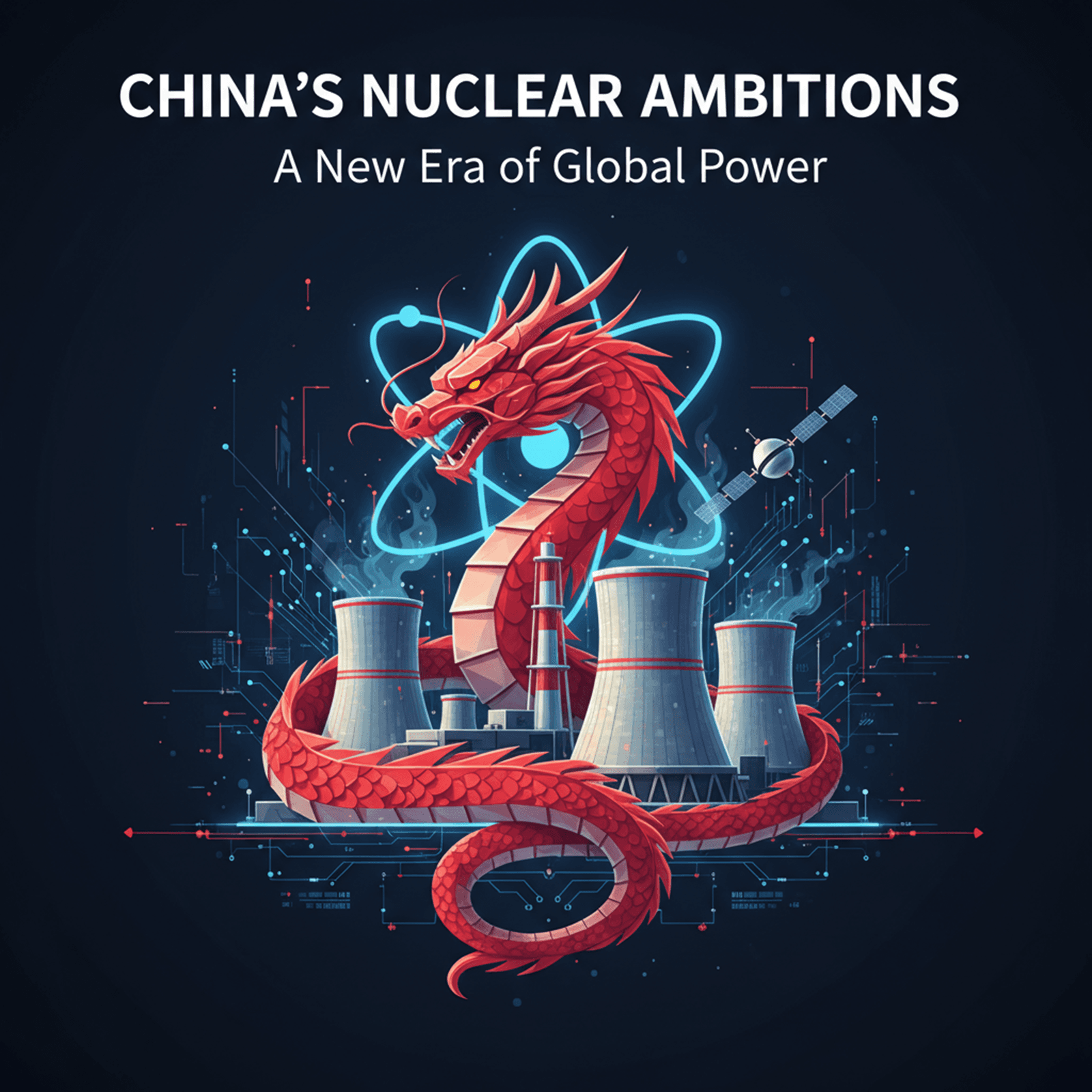
The air in Asia feels increasingly charged as nations grapple with the implications of expanding nuclear arsenals. This shift is not merely a matter of military might; it reflects a profound transformation in the security landscape, driven largely by China's evolving nuclear ambitions. The U.S. Department of Defense's 2023 report highlights a significant acceleration in China's nuclear capabilities, projecting that its operational warhead stockpile could surpass 1,000 by 2030. This figure starkly contrasts with earlier estimates of 200-300 warheads, indicating a dramatic shift in China's strategic posture.
As China re-evaluates its nuclear strategy, neighboring countries are responding in kind. India, a long-established nuclear power, is enhancing its own capabilities. Recent reports confirm India's successful test of the Agni-V missile, which can reach targets deep within China, signaling a direct response to Beijing's military advancements. This development underscores the shifting balance of power in the region, as India seeks to bolster its deterrent capabilities amid growing concerns over China's nuclear ambitions.
North Korea remains a wildcard in this complex equation. The regime's threats, including its chilling declaration to “sink” Japan and reduce the U.S. to “ashes and darkness,” serve as stark reminders of the volatile security environment in Asia. Such rhetoric not only heightens tensions but also prompts neighboring countries to reassess their own military strategies, contributing to an ongoing arms race that complicates regional stability.
However, the economic implications of this arms buildup are often overlooked. The substantial financial resources required to develop and maintain a robust nuclear arsenal divert funds from critical sectors such as education, healthcare, and sustainable development. This raises important questions about national priorities and the long-term economic trajectory of countries engaged in this nuclear competition. The costs associated with deterrence extend beyond military budgets, impacting the overall well-being of nations.
Interestingly, global financial markets appear largely indifferent to the escalating tensions in Asia. While traders focus on inflation and interest rates, the prospect of a nuclear-armed Asia remains a secondary concern. This disconnect raises alarms about the potential consequences of geopolitical instability on economic forecasts. The historical lessons of past conflicts suggest that ignoring such risks could lead to significant repercussions for global markets.
In light of these developments, it is crucial for policymakers and analysts to reconsider the implications of the ongoing arms race in Asia. The interplay of military capabilities, economic priorities, and regional security dynamics creates a complex web that demands careful attention. As the situation evolves, the need for dialogue and diplomatic engagement becomes increasingly urgent to mitigate the risks associated with nuclear escalation in the region.
Published by Banx Network. This article is part of the Banx decentralized media programme, powered by the BXE token on the XRP Ledger.




