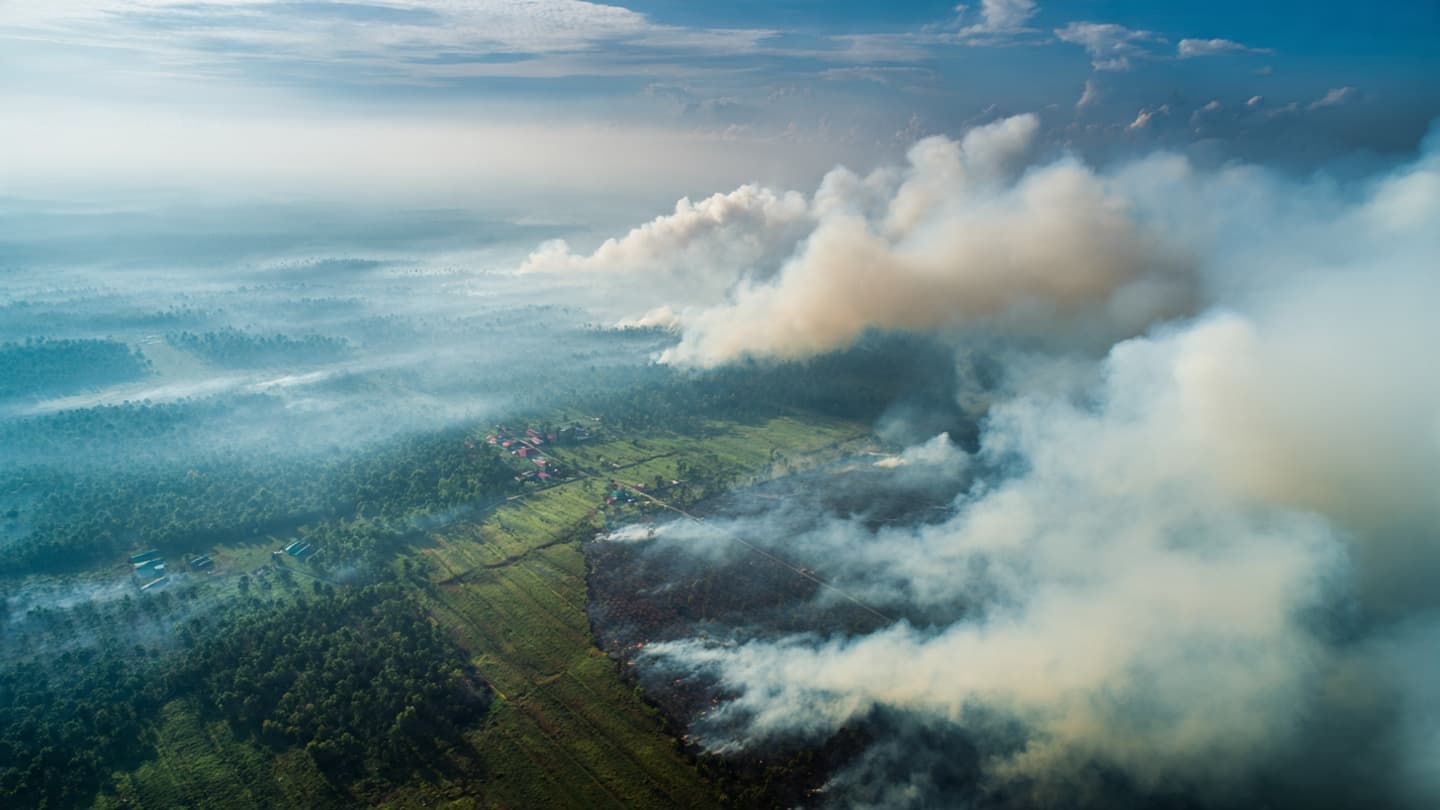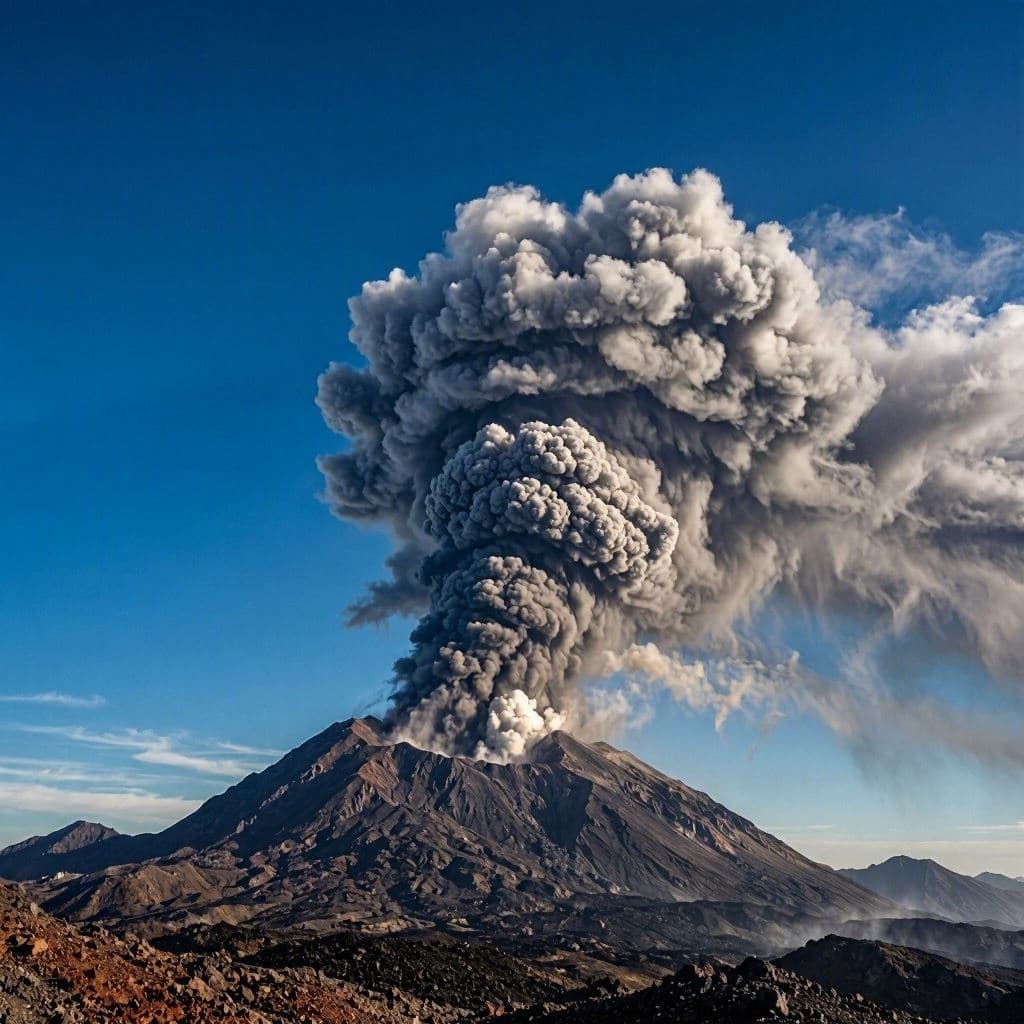
The earth beneath our feet is rarely as static as it appears. In Indonesia, the Anak Krakatau volcano has once again asserted its power, erupting with a force that sent ash plumes soaring into the sky. This natural spectacle, while majestic, has had immediate and disruptive consequences, stranding thousands of travelers as flights were cancelled across the region. The eruption serves as a potent reminder of the dynamic geological forces that shape the archipelago.
Anak Krakatau, meaning "Child of Krakatoa," rises from the caldera of its infamous predecessor, which erupted catastrophically in 1883. Its recent activity has been characterized by intermittent explosions and ash emissions, posing risks to aviation and local communities. The ash cloud, composed of fine particulate matter, can damage aircraft engines and reduce visibility, necessitating strict safety protocols and flight suspensions.
For the thousands of passengers affected, the cancellation of flights is more than an inconvenience; it is a disruption of lives and livelihoods. Airports in Jakarta and surrounding areas became hubs of uncertainty, with travelers facing delays and cancellations. Hotels filled up quickly, and alternative transport options were strained, highlighting the vulnerability of modern mobility to natural events.
Local authorities and volcanic monitoring agencies worked tirelessly to assess the threat level and issue warnings. The Center for Volcanology and Geological Hazard Mitigation played a crucial role in providing data to airlines and government bodies. Their expertise ensures that decisions are based on scientific evidence, prioritizing safety over economic considerations.
The eruption also impacts the local environment and communities living near the volcano. Ashfall can affect agriculture, water sources, and respiratory health. Residents are advised to stay indoors and wear masks when necessary. The resilience of these communities is tested repeatedly, as they adapt to living in one of the most volcanically active regions on Earth.
Aviation industry experts note that such disruptions are part of the reality of operating in volcanic zones. Airlines have contingency plans in place, but the unpredictability of eruptions makes complete mitigation impossible. The incident underscores the need for robust communication systems and flexible booking policies to support affected passengers.
As the ash settles and the volcano returns to a quieter state, flights gradually resume. The experience leaves a lasting impression on those who witnessed it, fostering a deeper respect for nature’s power. It also highlights the importance of international cooperation in monitoring and responding to volcanic hazards.
The eruption of Anak Krakatau has caused significant travel disruptions in Indonesia, stranding thousands of passengers. While the immediate crisis subsides, the event reinforces the need for vigilance and preparedness in the face of geological activity.
AI Image Disclaimer: Visual representations of the volcanic eruption are generated by artificial intelligence for editorial context.
Sources: Jakarta Post Reuters BBC News
Published by Banx Network. This article is part of the Banx decentralized media programme, powered by the BXE token on the XRP Ledger.