

Key Highlights
- ASEAN is focusing on eliminating non-tariff barriers to enhance trade.
- Policymakers aim to harmonize regulations and improve market efficiency.
- Small and medium-sized enterprises are particularly affected by these barriers.
The Association of Southeast Asian Nations (ASEAN) is increasingly recognizing that trade barriers are not always visible. While tariffs have been reduced significantly under various agreements, non-tariff barriers—such as differing regulations, administrative procedures, and technical standards—continue to impede the smooth flow of goods across member states. Policymakers are now prioritizing the removal of these invisible barriers to foster deeper economic integration within the region.
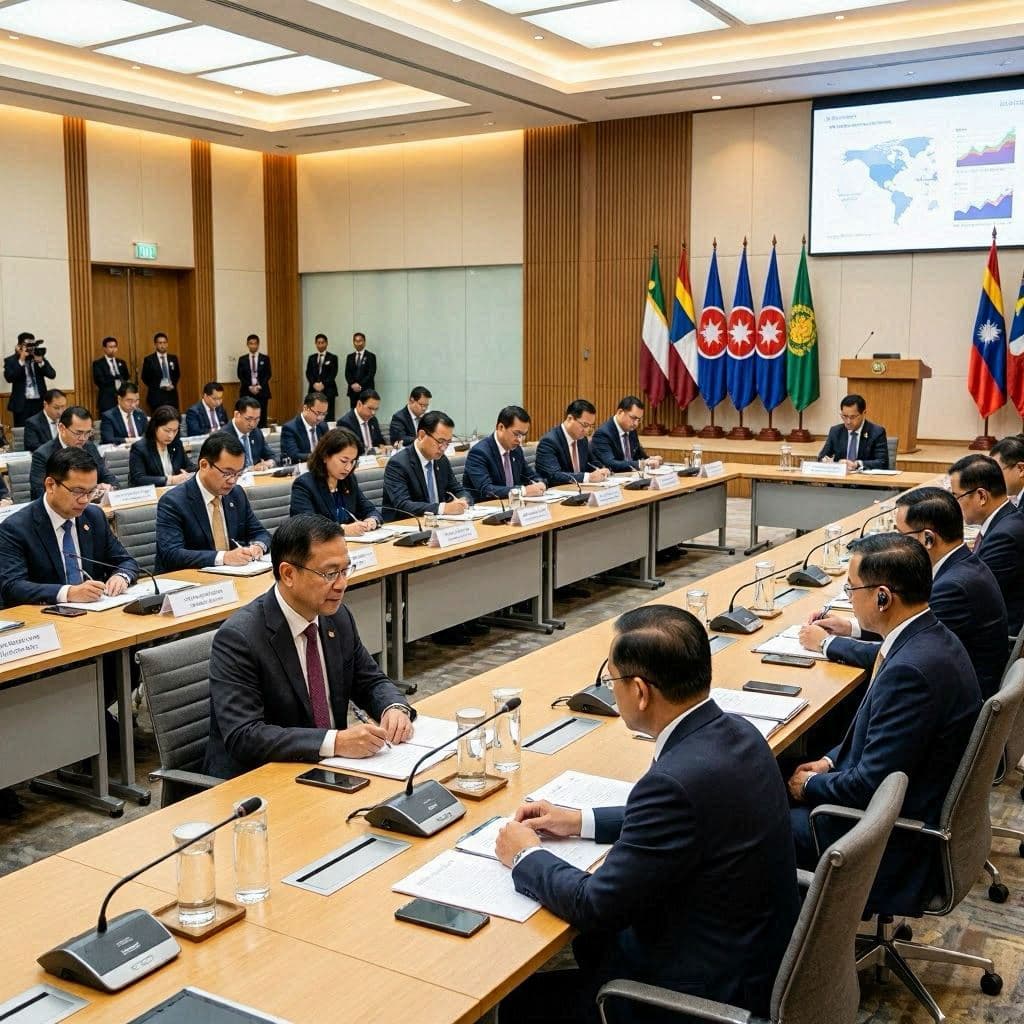
In recent discussions, ASEAN member states have reiterated their commitment to eliminating unnecessary regulatory obstacles that hinder trade. Officials believe that addressing these non-tariff barriers could lead to substantial improvements in market efficiency and competitiveness. The focus is on creating a more cohesive regulatory environment that benefits all member countries.
Despite the progress made in reducing tariffs, businesses still encounter significant challenges due to varying product standards, licensing procedures, and customs requirements across ASEAN nations. These non-tariff measures can lead to increased costs, delays, and diminished benefits from regional trade agreements. Small and medium-sized enterprises (SMEs), in particular, are disproportionately affected, as they often lack the resources to navigate complex regulatory landscapes.
To tackle these issues, regional policymakers are exploring mechanisms to harmonize standards and simplify administrative procedures. This includes improving transparency across national regulatory systems, which is crucial for fostering a more integrated market. The ASEAN Secretariat is expected to play a pivotal role in coordinating these reforms, ensuring that member states work collaboratively to implement changes and monitor progress.
Economists emphasize that reducing non-tariff barriers could significantly strengthen supply chains, attract foreign investment, and support economic recovery across Southeast Asia. As the region continues its journey toward deeper integration, the removal of these less visible obstacles may prove just as critical as traditional trade liberalization measures in shaping the economic future of ASEAN.
As ASEAN leaders push forward with these initiatives, the focus remains on creating a more unified and efficient trading environment that benefits all member states and their economies. The ongoing efforts to address non-tariff barriers reflect a broader commitment to enhancing regional cooperation and economic resilience.
Published by Banx Network. This article is part of the Banx decentralized media programme, powered by the BXE token on the XRP Ledger.




