
Key Highlights
- ASEAN Forum:Recent discussions focused on climate resilience and innovation.
- Climate Risks:Rising temperatures and extreme weather threaten Southeast Asia.
- Technological Solutions:AI and data-driven strategies are key to adaptation.
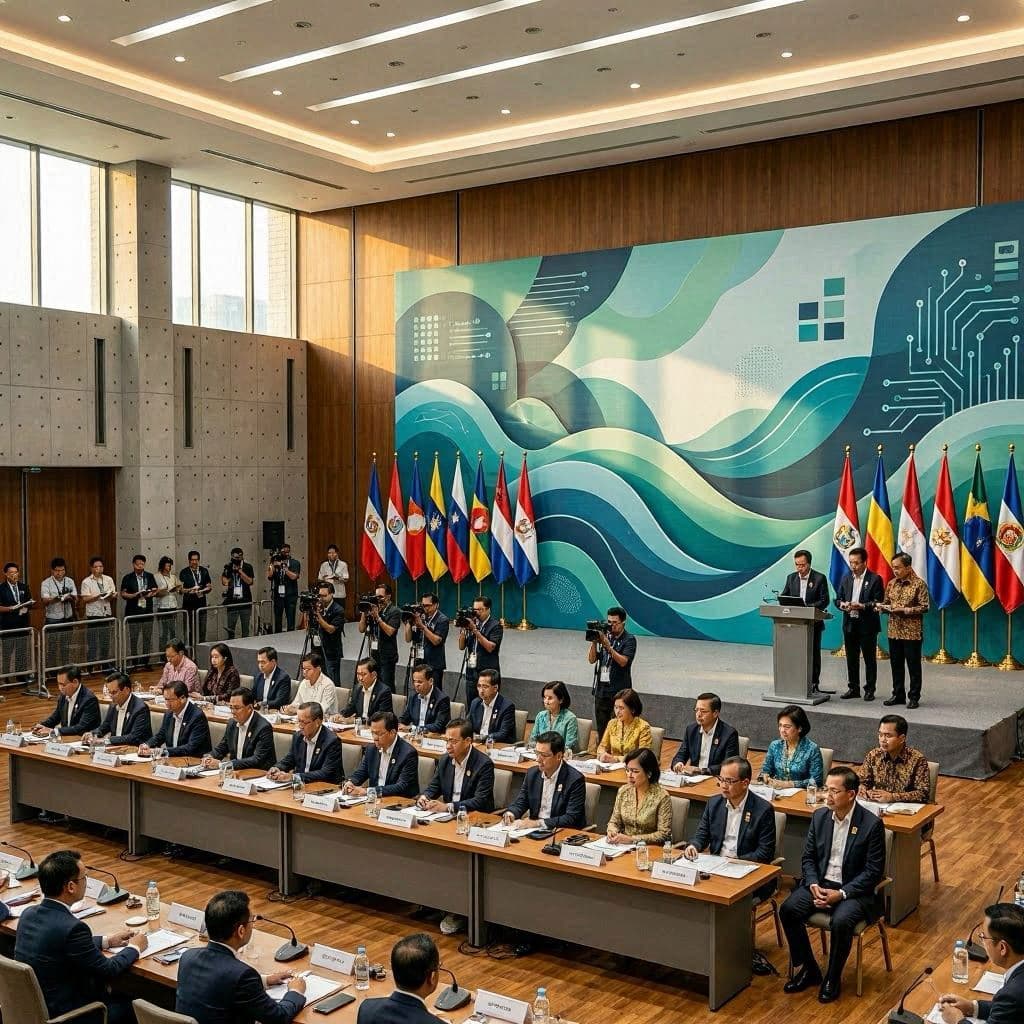
The future rarely arrives all at once. More often, it emerges through a series of gradual changes that challenge existing assumptions and encourage new forms of cooperation. At a recent ASEAN forum, climate resilience and technological innovation stood at the center of discussions about how Southeast Asia can prepare for an increasingly uncertain future.
Participants emphasized that climate-related risks continue to intensify across the region. Rising temperatures, extreme weather events, coastal vulnerability, and changing rainfall patterns have heightened concerns among policymakers and scientists alike. The urgency of addressing these challenges was palpable, as delegates recognized the need for immediate action to safeguard communities and ecosystems.
Against this backdrop, technological innovation is increasingly viewed as an essential component of adaptation strategies. Delegates discussed how digital technologies, advanced forecasting systems, and data-driven decision-making could improve regional preparedness. The integration of these tools is seen as vital for enhancing the resilience of vulnerable populations and infrastructure.
Artificial intelligence, satellite monitoring, and early warning systems were among the technologies highlighted during discussions. These tools may help governments respond more effectively to natural disasters and climate-related emergencies. By leveraging real-time data and predictive analytics, ASEAN countries can better anticipate and mitigate the impacts of climate change.
The forum also explored opportunities for expanding scientific cooperation among ASEAN member states. Collaborative research initiatives could strengthen regional understanding of climate risks and support evidence-based policymaking. By pooling resources and expertise, countries can develop more robust strategies to address shared challenges.
Experts stressed that resilience extends beyond infrastructure alone. Social preparedness, community engagement, and institutional coordination were identified as equally important elements of comprehensive climate adaptation. Building a culture of resilience within communities is essential for ensuring that adaptation measures are effective and sustainable.
Financing remains a critical issue. Many developing economies within Southeast Asia continue to seek additional resources to implement climate adaptation and technological modernization programs. The need for innovative financing solutions, including public-private partnerships and international support, was underscored as a key factor in achieving long-term sustainability.
As discussions concluded, participants expressed optimism that regional collaboration, scientific innovation, and sustained investment could help ASEAN navigate future challenges while supporting sustainable development. The commitment to innovation and cooperation could pave the way for a more resilient and prosperous Southeast Asia in the face of climate change.
Published by Banx Network. This article is part of the Banx decentralized media programme, powered by the BXE token on the XRP Ledger.



