

Key Highlights
- ASEAN ministers reaffirm commitment to renewable energy collaboration.
- LNG seen as a transitional energy source amid rising demand.
- ASEAN Power Grid initiative aims to enhance regional electricity sharing.
In an era when the global energy landscape shifts as steadily as ocean tides, nations often find themselves navigating uncertain waters. Across Southeast Asia, however, policymakers appear determined to sail together rather than alone. The latest agreement among ASEAN members to deepen cooperation on renewable energy and liquefied natural gas (LNG) reflects a regional effort to secure both stability and sustainability in an increasingly complex world.
ASEAN energy ministers recently reaffirmed their commitment to expanding collaboration in renewable energy development, natural gas infrastructure, and cross-border energy trade. This agreement comes at a time when Southeast Asia continues to experience rapid economic growth, driving a significant rise in energy demand across the region. According to recent reports, energy consumption in Southeast Asia is projected to increase by 60% by 2040, underscoring the urgency for a coordinated response to energy challenges.
Officials noted that energy security has become an increasingly important concern as geopolitical tensions, supply disruptions, and volatile commodity prices continue to affect global markets. By strengthening regional cooperation, ASEAN hopes to reduce vulnerabilities while ensuring reliable energy access for its growing population. The commitment to work together on energy issues is seen as a proactive measure to mitigate risks associated with global energy market fluctuations.
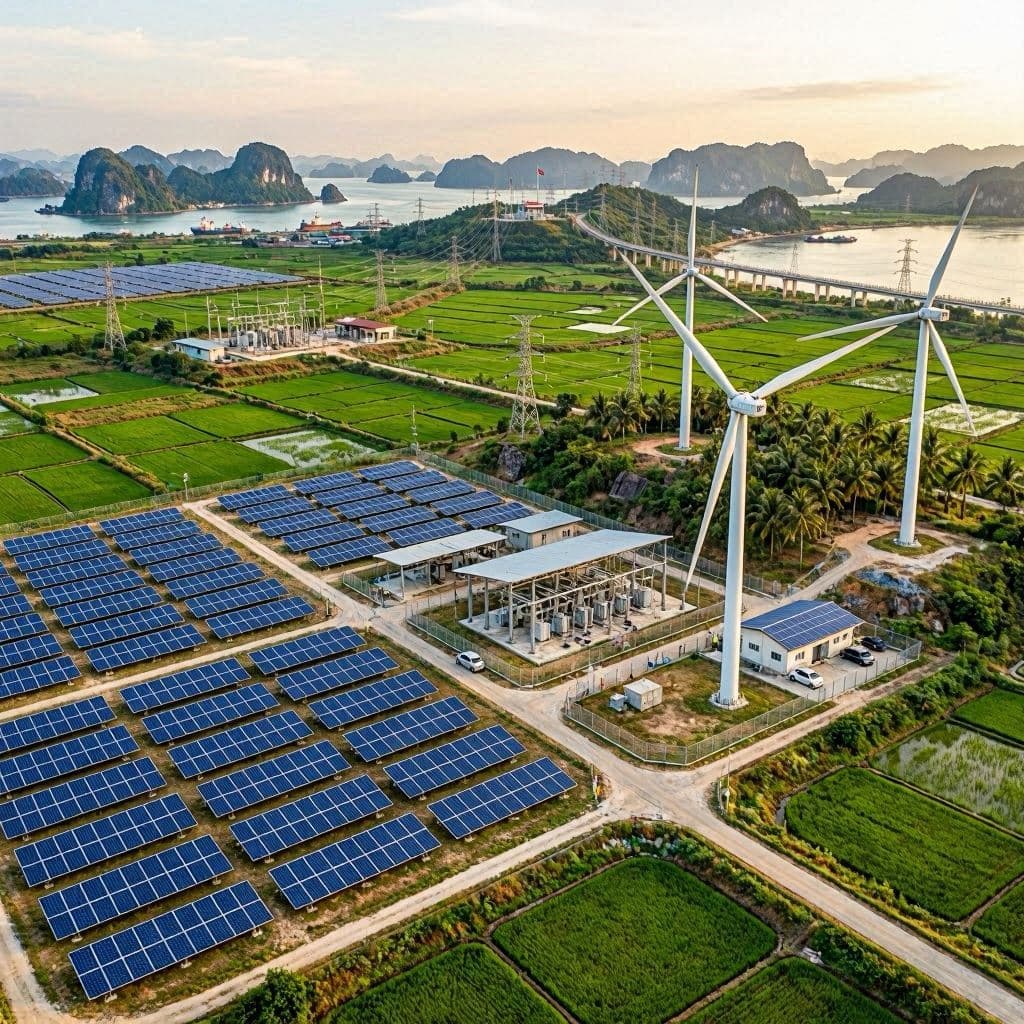
Renewable energy remains a central pillar of the region's long-term strategy. Several member states have accelerated investments in solar, wind, hydroelectric, and other low-carbon technologies as part of broader climate commitments and economic modernization efforts. For instance, countries like Vietnam and Thailand are leading the charge in solar energy deployment, aiming to meet both domestic energy needs and international climate goals.
At the same time, LNG is expected to play an important transitional role. Many ASEAN economies still rely heavily on fossil fuels, and policymakers view natural gas as a practical bridge while renewable capacity continues to expand. The flexibility of LNG allows countries to diversify their energy sources and enhance energy security, particularly during periods of high demand or supply disruptions.
The long-discussed ASEAN Power Grid initiative also received renewed attention during the meetings. This ambitious project aims to interconnect electricity networks across member states, allowing countries to share power resources more efficiently and strengthen regional resilience. By facilitating cross-border electricity trade, the initiative could significantly reduce energy costs and improve reliability for consumers across the region.
Analysts suggest that achieving these ambitions will require substantial investment, regulatory reforms, and closer public-private partnerships. Infrastructure development and financing remain among the most significant challenges facing the region. Experts estimate that Southeast Asia will need to invest over $2.5 trillion in energy infrastructure by 2040 to meet its growing demand and transition to a more sustainable energy system.
While the path toward a cleaner energy future may remain complex, ASEAN's latest agreement signals a shared recognition that regional cooperation will be essential in shaping a secure and sustainable energy system for decades to come. The collaborative spirit demonstrated by ASEAN members could serve as a model for other regions facing similar energy challenges in the global transition.
Published by Banx Network. This article is part of the Banx decentralized media programme, powered by the BXE token on the XRP Ledger.




