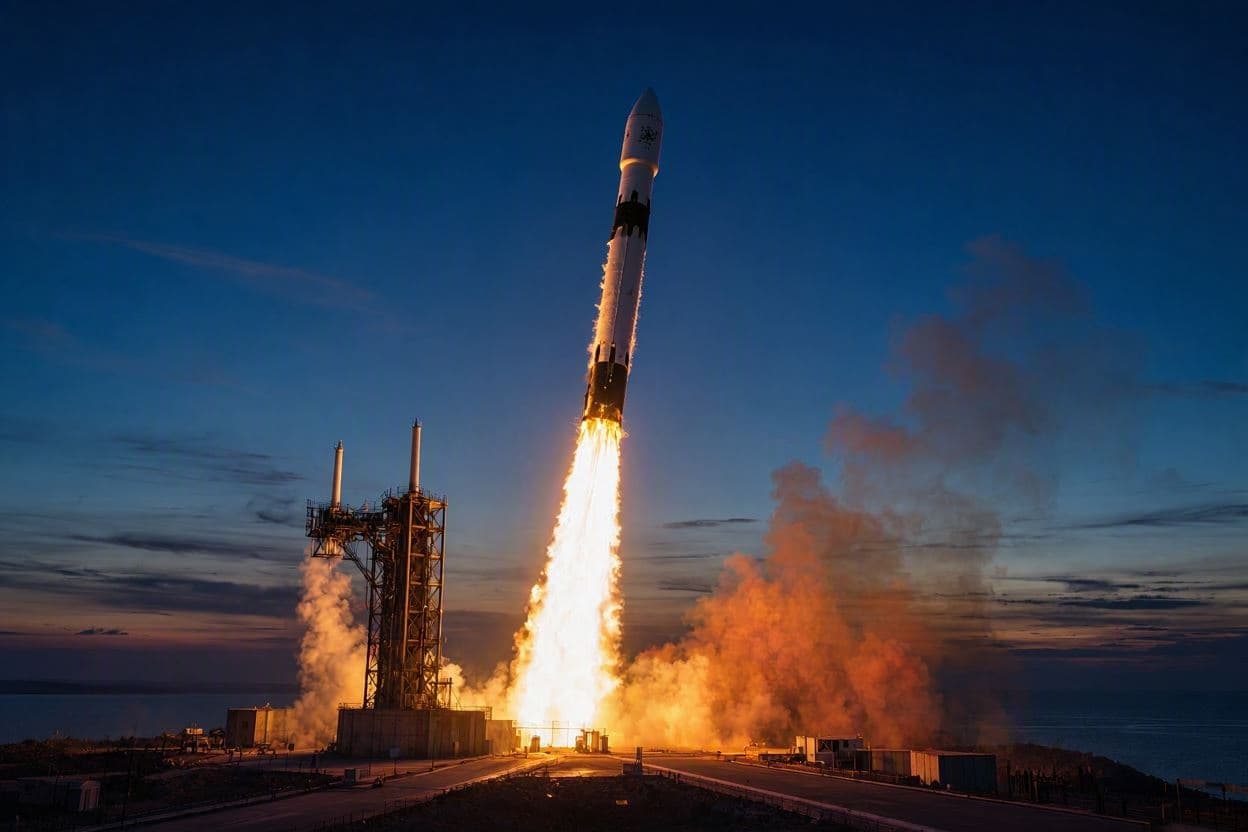
Reusability was once a distant dream in the aerospace industry, a concept confined to science fiction. Today, it is a routine reality, exemplified by the steadfast reliability of the SpaceX Falcon 9. On its 35th flight, this remarkable rocket once again ascended into the sky, carrying a batch of Starlink satellites toward their orbital destinations. This milestone invites reflection on the transformation of space access, where repetition breeds familiarity, and the extraordinary becomes ordinary. It is a testament to human ingenuity and the relentless pursuit of efficiency.
The Falcon 9 has redefined the economics of spaceflight by proving that rockets can be flown multiple times with minimal refurbishment. Each launch reduces the cost per kilogram to orbit, making satellite deployment more accessible and sustainable. The 35th flight of this specific booster underscores the durability of SpaceX’s engineering, challenging traditional notions of expendable launch vehicles.
Starlink, SpaceX’s constellation of internet-providing satellites, relies on frequent launches to expand its global coverage. With each mission, the network grows stronger, offering high-speed connectivity to remote and underserved regions. The success of these launches is crucial for bridging the digital divide, bringing communication capabilities to corners of the world that have long been isolated.
The launch process itself is a choreography of precision. From ignition to stage separation, every moment is calculated and monitored. The return of the first stage booster, landing softly on a drone ship or pad, is a spectacle that has captivated audiences worldwide. It symbolizes a shift from wastefulness to conservation, aligning space exploration with environmental stewardship.
For the scientific and commercial communities, the reliability of the Falcon 9 provides a stable platform for experimentation and deployment. Researchers can plan missions with greater confidence, knowing that launch schedules are less prone to delay. This stability fosters innovation, allowing new technologies to reach space faster and more affordably.
However, the increasing frequency of launches also raises questions about space traffic management and orbital debris. As thousands of satellites populate low Earth orbit, ensuring their safe operation and eventual deorbiting becomes critical. SpaceX and other operators are working on mitigation strategies, including autonomous collision avoidance and responsible end-of-life procedures.
The 35th flight is not just a number; it is a marker of progress. It demonstrates that the initial risks of reusability have been managed effectively, paving the way for even more ambitious projects. Future missions, including those to Mars, will build upon the lessons learned from these repeated successes.
Public interest in space remains high, fueled by these visible achievements. The sight of a rocket landing vertically is no longer novel, but it remains inspiring. It reminds us that boundaries are meant to be pushed, and that persistence can turn the impossible into the everyday.
SpaceX successfully launched Starlink satellites aboard a Falcon 9 rocket on its 35th flight, highlighting the maturity of reusable launch technology. This milestone supports the expansion of global internet coverage and demonstrates the reliability of modern spaceflight operations.
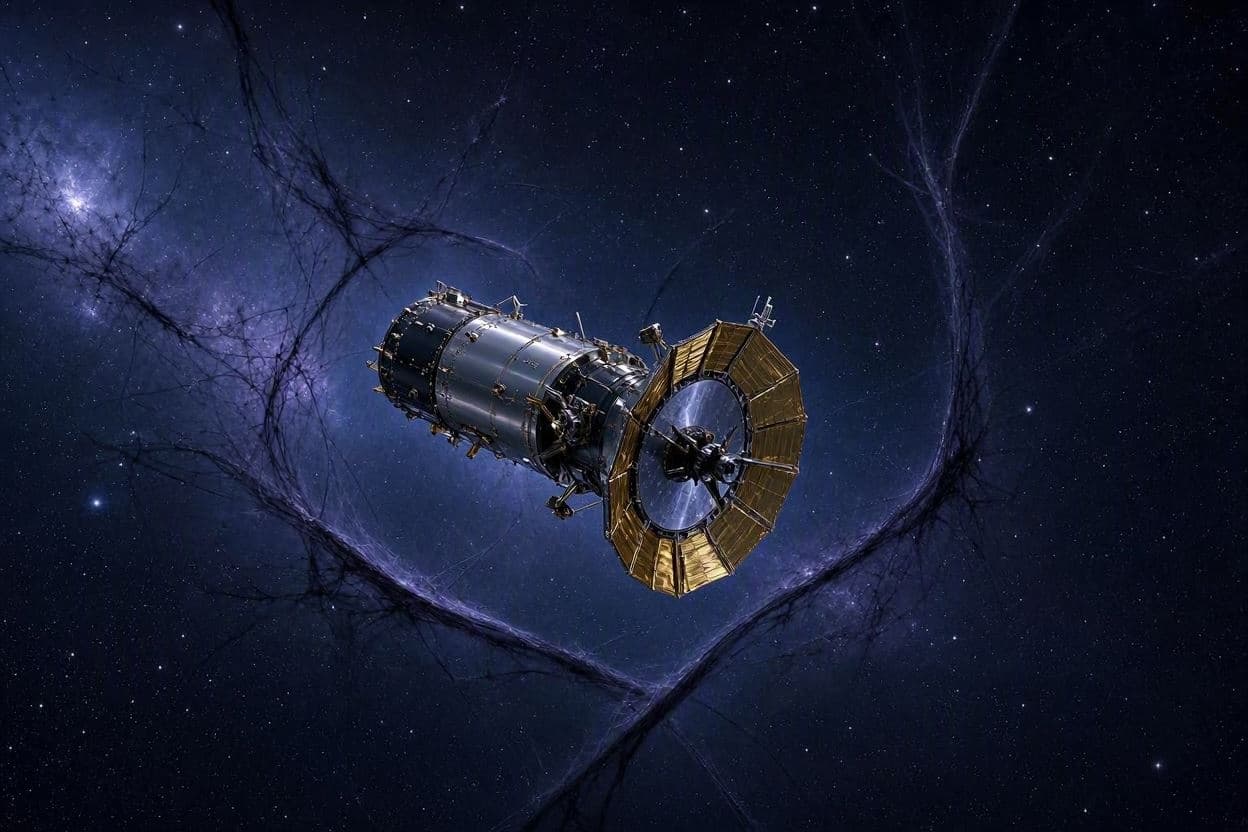
AI Image Disclaimer: The images associated with this article are AI-generated visualizations intended to symbolize space exploration, reusability, and satellite connectivity, using dramatic and respectful imagery.
Sources: SpaceX Official Updates SpaceNews NASA Launch Services Program
Published by Banx Network. This article is part of the Banx decentralized media programme, powered by the BXE token on the XRP Ledger.