

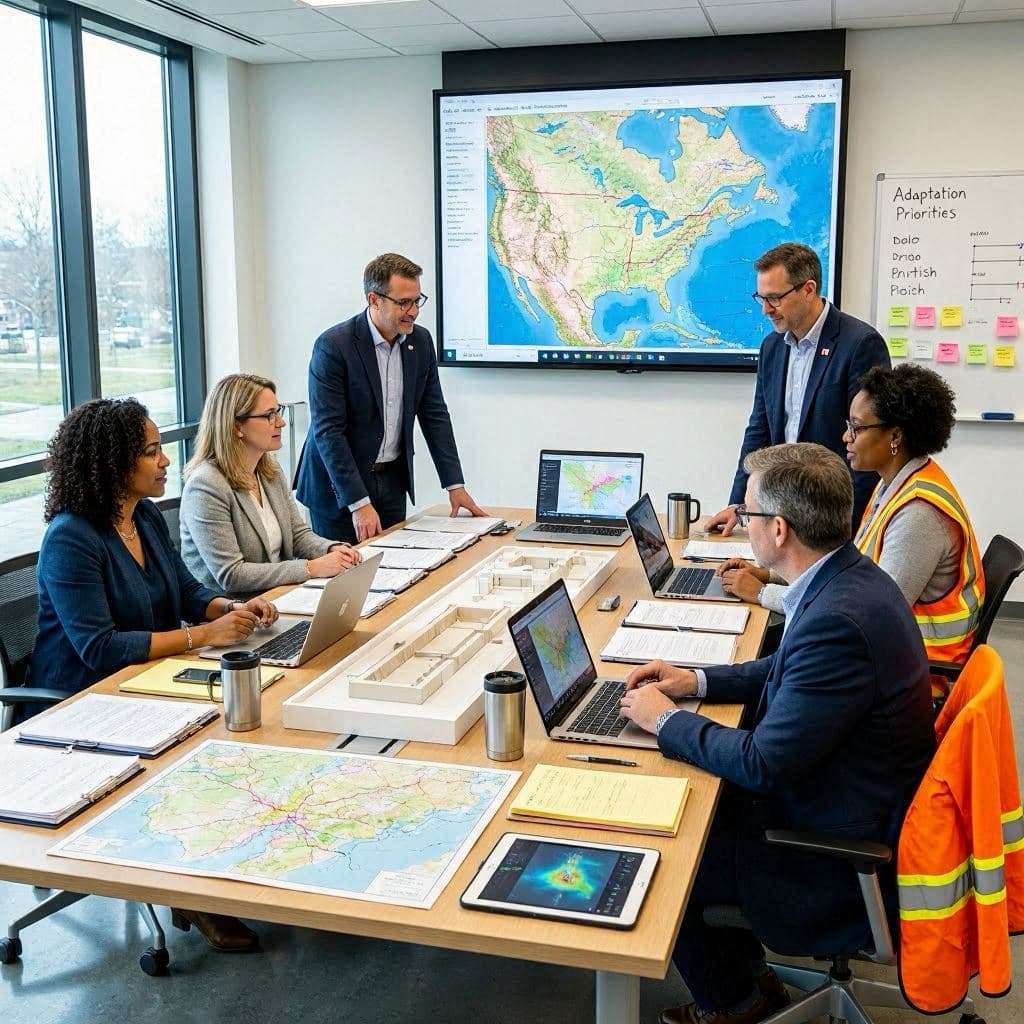
Key Highlights
- Increased Investment:Canada is enhancing adaptation strategies for extreme weather.
- Collaborative Research:Universities and agencies are working together on climate resilience.
- Focus on Vulnerable Populations:Public health studies aim to protect at-risk communities.
As climate change intensifies, Canada is taking proactive steps to prepare for the increasing frequency and severity of extreme weather events. This initiative is driven by a growing body of scientific research aimed at developing effective adaptation strategies. With heatwaves, floods, wildfires, and severe storms becoming more common, Canadian researchers and policymakers are focusing on how to best equip communities to handle these challenges.
The adaptation strategies under consideration include improving urban planning, enhancing flood defenses, and expanding early warning systems. These measures are designed to mitigate the economic losses and risks to human life associated with extreme weather. Experts emphasize that while mitigation efforts to reduce greenhouse gas emissions are crucial, adaptation is equally important for coping with the impacts that are already being felt across the country.
Recent weather-related challenges in several Canadian provinces have underscored the urgency of these adaptation efforts. Large wildfires, significant flooding events, and extreme heat have prompted calls for evidence-based planning and resilient infrastructure investments. The experiences of these provinces serve as a stark reminder of the need for comprehensive strategies to address the realities of climate change.
Public health specialists are also playing a vital role in this research. They are studying how extreme weather disproportionately affects vulnerable populations, including the elderly and those with pre-existing health conditions. The findings from these studies will inform future emergency response plans and community support programs, ensuring that the most at-risk individuals receive the assistance they need during climate-related events.
International collaboration is another key aspect of Canada's adaptation strategy. Canadian scientists are working with global partners to share data, improve forecasting capabilities, and develop effective resilience strategies. This collaborative approach not only enhances Canada's preparedness but also contributes to a broader understanding of climate adaptation on a global scale.
Officials stress that investing in adaptation today is essential for building long-term resilience in communities. By taking proactive measures now, Canada aims to ensure that its infrastructure and public health systems can withstand the challenges posed by a changing climate, ultimately leading to safer and more resilient communities in the future.
Published by Banx Network. This article is part of the Banx decentralized media programme, powered by the BXE token on the XRP Ledger.




