

Key Highlights
- Health authorities in Congo are enhancing surveillance amid Ebola fears.
- WHO and African health agencies are monitoring reports of deaths.
- Community engagement is crucial for effective outbreak response.
Public health crises often emerge quietly, first as isolated reports and scattered concerns before drawing international attention. In the Democratic Republic of Congo, health authorities are once again strengthening surveillance efforts amid fears that Ebola could spread in vulnerable communities.
Officials from the World Health Organization (WHO) and African health agencies have intensified monitoring following reports of deaths in areas already facing humanitarian pressures. Investigations are underway to determine whether Ebola or another infectious disease may be responsible. The WHO has previously noted that the region has a history of Ebola outbreaks, which complicates the current situation.
The Democratic Republic of Congo has experienced multiple Ebola outbreaks over the past decades, giving health authorities significant experience in outbreak management. Nevertheless, each new alert carries unique challenges shaped by geography, population movement, and local conditions. The current context is particularly precarious due to ongoing conflicts and the displacement of communities, which can hinder effective disease surveillance and healthcare delivery.
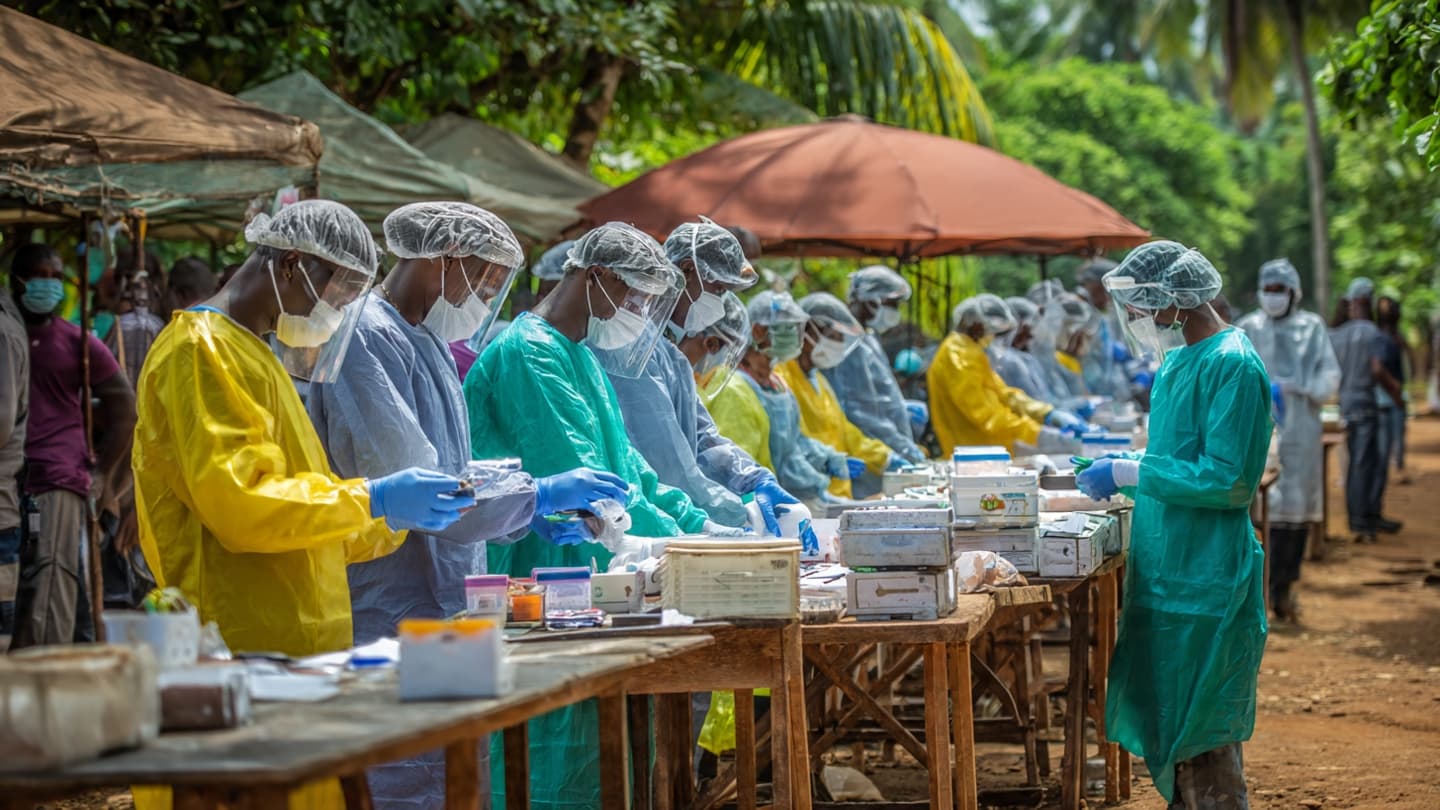
Health teams have begun conducting epidemiological investigations, including contact tracing and laboratory testing. Early detection remains essential in limiting the spread of highly infectious diseases. The WHO emphasizes that timely identification of cases can significantly reduce transmission rates, especially in densely populated areas where the risk of contagion is high.
The situation is further complicated by displacement linked to conflict and insecurity in parts of eastern Congo. Large population movements can make disease surveillance and healthcare delivery more difficult. As communities are uprooted, the challenge of maintaining public health measures becomes increasingly complex, necessitating a coordinated response from both local and international health organizations.
International health organizations have emphasized the importance of community engagement. Public trust, accurate information, and cooperation from local residents are considered vital components of outbreak response. Health officials are working to ensure that communities are informed about the risks and the importance of reporting symptoms early, which is crucial for controlling potential outbreaks.
Medical supplies, protective equipment, and emergency response teams have been positioned in strategic locations as authorities prepare for multiple scenarios. Neighboring countries are also monitoring developments closely, ready to respond should the situation escalate. While officials have not confirmed a large-scale outbreak, health agencies continue urging vigilance. The coming weeks are expected to provide clearer information as laboratory analyses and field investigations proceed.
Published by Banx Network. This article is part of the Banx decentralized media programme, powered by the BXE token on the XRP Ledger.




