
Key Highlights
- Shifts in Booking Patterns:Travelers are favoring smaller cities and unique experiences.
- Changing Accommodation Preferences:Shorter stays and remote work influence travel.
- Transportation Adaptations:Airlines and regional travel options are expanding.
- Economic Considerations:Value and flexibility are key for budget-conscious travelers.
- Rise of Experiential Tourism:Authentic local experiences are in demand.
The arrival of summer often feels like the turning of a familiar page. Airports begin to fill, highways stretch toward distant horizons, and families once again map out journeys that promise rest and discovery. Yet beneath the familiar rhythm of travel in 2026, subtle changes are reshaping how Americans and international visitors choose to explore the country. The tourism industry is witnessing not a disruption, but a quiet transformation, one that reflects evolving priorities and expectations among travelers.
Across the United States, tourism operators are observing shifts in booking patterns. While traditional destinations continue to attract visitors, many travelers are showing greater interest in smaller cities, natural attractions, and experiences that offer flexibility. Industry analysts note that modern travelers increasingly seek destinations that combine convenience, affordability, and unique local culture rather than simply following established tourism routes.
Hotels and accommodation providers are adjusting to these preferences. In several regions, shorter stays have become more common, allowing travelers to visit multiple destinations during a single trip. At the same time, extended stays remain popular among remote workers who combine professional responsibilities with leisure travel. This blending of work and vacation continues to influence travel planning across the country.
Transportation providers are also adapting. Airlines have expanded routes connecting secondary cities, while rail and bus operators report growing interest in regional travel options. These developments reflect a broader desire among travelers to explore destinations beyond traditional tourism hubs. Industry experts suggest that accessibility and convenience now play a larger role in travel decisions than ever before.
Economic considerations remain important. Travelers are paying closer attention to value, comparing accommodation prices, transportation costs, and overall trip expenses before making reservations. This has encouraged tourism businesses to develop more flexible packages and promotional offers designed to appeal to budget-conscious visitors without compromising experience quality.
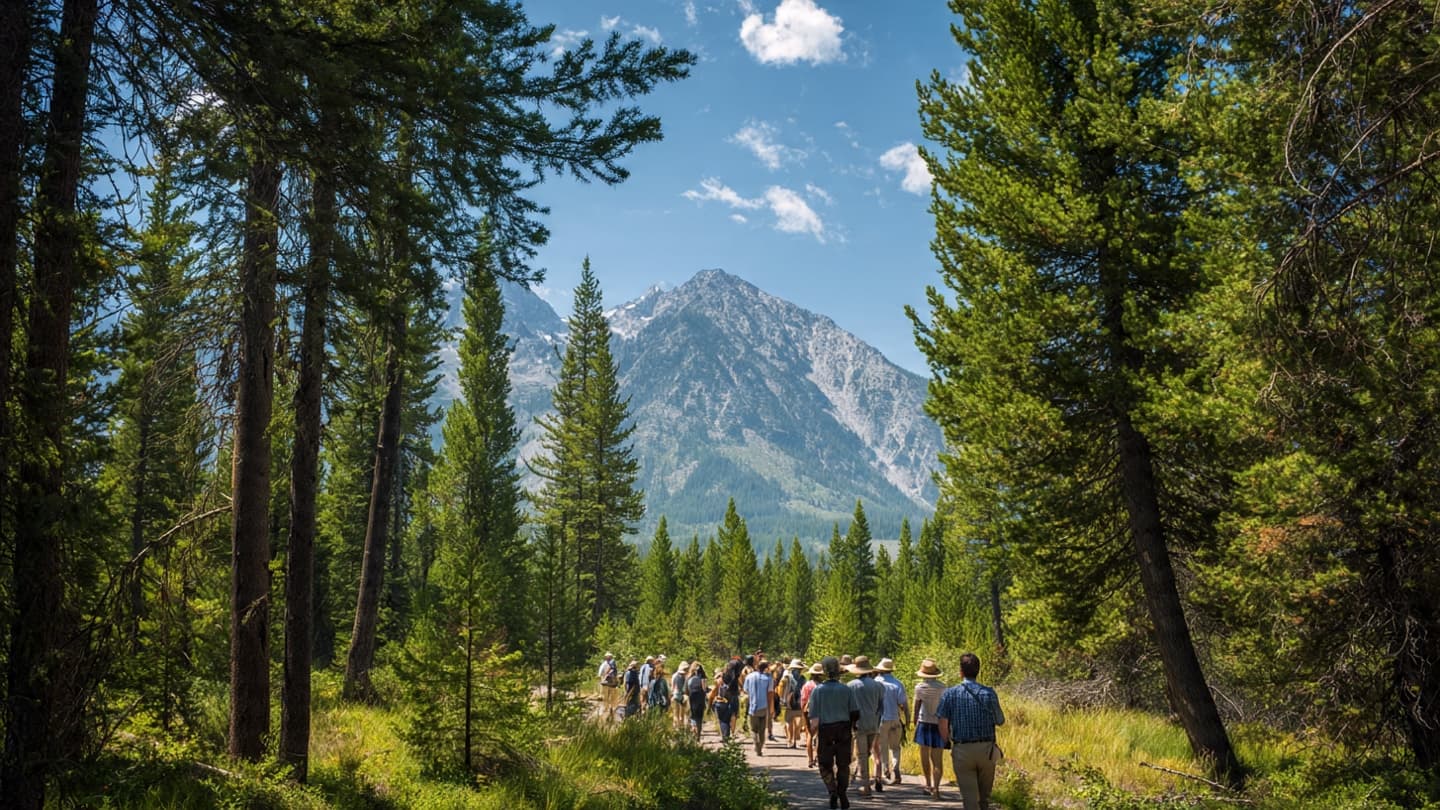
Another notable trend involves experiential tourism. Travelers increasingly seek opportunities to engage with local communities, culinary traditions, and outdoor activities. National parks, coastal regions, and cultural districts continue to benefit from growing interest in authentic experiences that create meaningful memories rather than simply providing sightseeing opportunities.
Technology is shaping these developments as well. Digital booking platforms, personalized recommendations, and AI-powered travel planning tools are helping travelers make decisions more efficiently. Businesses throughout the tourism sector are investing in digital services to improve customer engagement and streamline travel experiences.
Industry leaders remain optimistic about the months ahead. While traveler behavior continues to evolve, overall demand for travel remains resilient. Many tourism operators view these changing preferences as an opportunity to diversify offerings and reach new audiences. The ability to adapt, rather than resist change, is becoming a defining characteristic of successful tourism businesses.
As summer unfolds, America’s tourism landscape appears less like a fixed destination and more like a living map that continues to evolve. The roads remain open, the airports remain busy, and the desire to explore remains strong. Yet the choices travelers make today suggest that the future of tourism may be defined not only by where people go, but by how they choose to experience the journey itself.
Published by Banx Network. This article is part of the Banx decentralized media programme, powered by the BXE token on the XRP Ledger.



