

Key Highlights
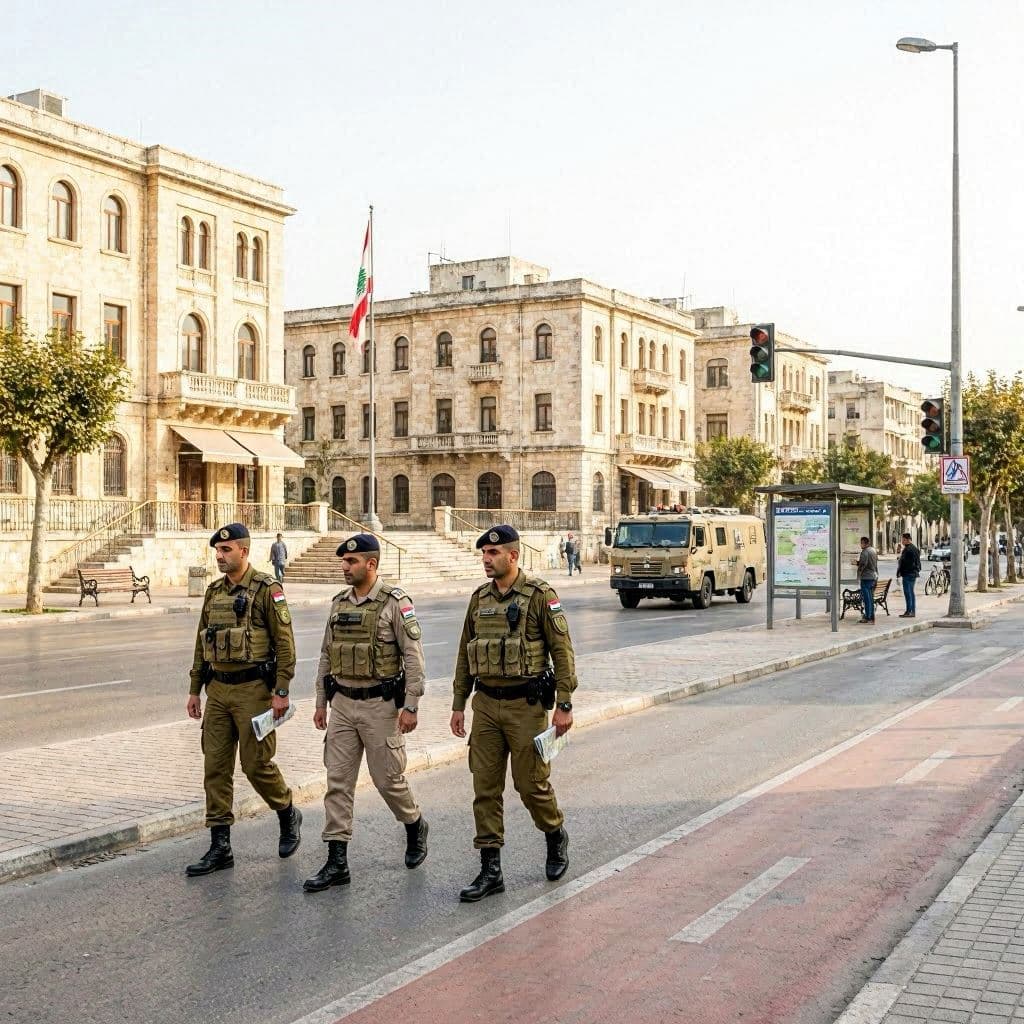
- Increased Security:Lebanon enhances security measures amid regional instability.
- Government Response:Officials aim to preserve public safety and stability.
- Economic Concerns:Ongoing tensions impact tourism and investor confidence.
Lebanon, a nation often caught in the crossfire of regional conflicts, is currently navigating a precarious landscape marked by heightened tensions. As instability continues to ripple across the Middle East, Lebanese authorities have responded by ramping up security measures to safeguard public safety and mitigate potential spillover effects from neighboring conflicts.
In recent weeks, government officials have announced a series of precautionary measures designed to bolster security in sensitive areas. Security agencies have expanded their monitoring efforts and reinforced their presence in regions deemed vulnerable to external threats. Officials emphasize that these actions are not indicative of an imminent crisis but rather a proactive approach to ensure stability during a period of uncertainty.
Lebanon's strategic location has historically rendered it susceptible to the whims of regional dynamics. The country's complex political environment, coupled with ongoing economic challenges, has further complicated its ability to navigate these turbulent waters. Domestic pressures, including economic instability and political fragmentation, have left Lebanon in a vulnerable position as it grapples with external threats.
International observers are closely monitoring the situation, recognizing that Lebanon's stability is crucial for the broader Middle East. Diplomatic efforts from partner nations and international organizations are focused on supporting Lebanon's security and humanitarian needs. The international community remains engaged, understanding that a stable Lebanon is vital for regional peace and security.
Communities across Lebanon are responding to the evolving situation with a mix of caution and resilience. While daily life continues, many citizens remain vigilant, aware of the potential implications of developments beyond their borders. The economic landscape is also affected, as businesses and investors typically favor stability. Ongoing regional uncertainty can have a detrimental impact on tourism, commerce, and overall financial confidence.
Experts suggest that the current state of preparedness reflects lessons learned from Lebanon's tumultuous past. Governments often implement preventive measures to mitigate risks and reassure the public, aiming to maintain a sense of normalcy in daily life. As regional events unfold, Lebanon's leadership faces the dual challenge of ensuring security while fostering an environment where citizens can feel safe and secure in their everyday activities.
As Lebanon continues to navigate this complex situation, the balance between security and normalcy remains a critical focus for both the government and its citizens. The path forward will require careful management of both internal and external pressures to ensure a stable and secure future for the nation.
Published by Banx Network. This article is part of the Banx decentralized media programme, powered by the BXE token on the XRP Ledger.




