
Key Highlights
- Increased shipping activity in the Gulf region signals economic growth.
- Energy shipments remain a major contributor to maritime traffic.
- Technology and infrastructure investments enhance logistics efficiency.
The sea has long served as one of humanity’s oldest pathways for commerce. Across centuries, ships have carried goods, resources, and opportunities from one shore to another, quietly connecting economies separated by vast distances. Today, in the Gulf region, growing shipping activity is once again attracting attention as logistics operators observe increasing vessel movements through some of the world's most important maritime corridors.
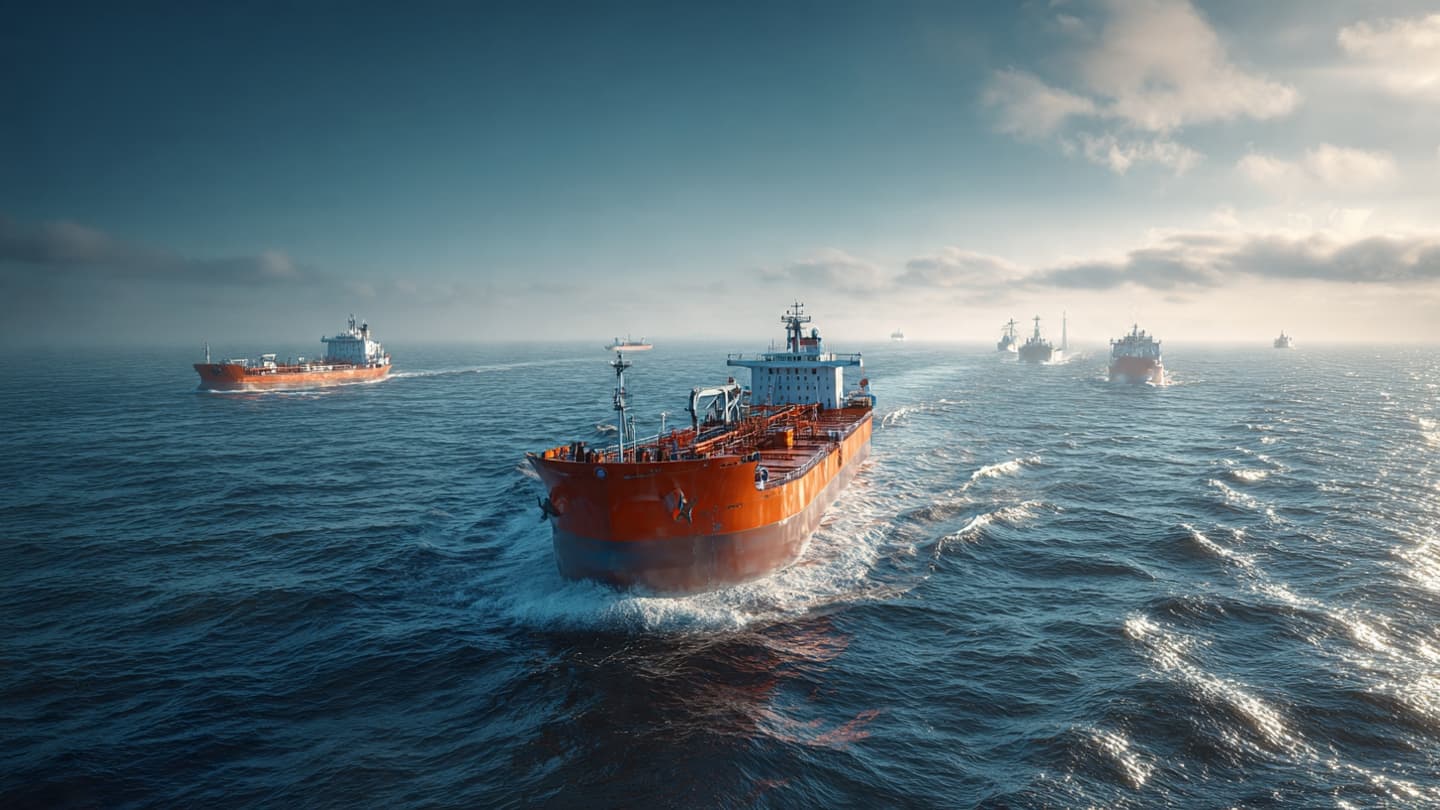
Recent industry reports suggest that shipping volumes in parts of the Gulf have shown signs of improvement. Tankers, cargo vessels, and support ships are appearing more frequently along routes that play an essential role in global trade. While maritime operators remain attentive to operational risks, the overall trend has encouraged cautious optimism among stakeholders.
For logistics companies, shipping volume is often viewed as an indicator of broader economic activity. Higher traffic levels can suggest stronger trade flows, increased demand for transportation services, and greater confidence among businesses moving products across international markets. This uptick in shipping activity is particularly relevant as global economies continue to recover from the disruptions caused by the pandemic.
Energy shipments remain a major contributor to maritime activity in the region. Crude oil and petroleum products continue to move through strategic waterways that connect producers with consumers around the globe. Stable transportation conditions help support the efficient delivery of these resources, which are vital for energy security and economic stability in many countries.
Beyond energy, general cargo operations are also benefiting from improved shipping conditions. Ports handling industrial materials, consumer goods, and manufacturing components have reported steady activity as supply chains continue adapting to changing market conditions. This diversification in shipping activity highlights the resilience of the Gulf as a key player in international trade.
Technology is helping logistics providers respond more effectively to increased traffic. Real-time vessel tracking, digital route planning, and predictive analytics are enabling operators to improve efficiency while minimizing disruptions. Such innovations are becoming increasingly important in modern maritime commerce, allowing companies to navigate the complexities of global supply chains more adeptly.
Port authorities have also focused on enhancing operational performance. Investments in infrastructure, cargo handling systems, and logistics coordination are supporting efforts to accommodate growing transportation demand while maintaining service quality. These enhancements are crucial as the Gulf region positions itself as a pivotal hub for global trade.
Industry analysts emphasize that shipping activity often reflects broader trends occurring within the global economy. While individual markets may experience fluctuations, consistent growth in maritime traffic can indicate stronger commercial engagement across multiple sectors. As vessels continue moving through Gulf shipping lanes, logistics operators remain focused on maintaining efficiency and reliability. The steady increase in maritime activity serves as a reminder that international trade depends not only on economic demand but also on the networks that keep goods moving from one destination to another.
Published by Banx Network. This article is part of the Banx decentralized media programme, powered by the BXE token on the XRP Ledger.



