
Key Highlights
- Historic Vote:Palestinians in Gaza and the West Bank participate in elections after years of political stagnation.
- Low Turnout:Voter participation reflects disillusionment amid ongoing conflict and economic hardship.
- Symbolic Significance:The elections serve as a fragile assertion of civic life in a region marked by turmoil.
The act of voting can often feel mundane, a routine task in the lives of many. However, in regions like the West Bank and Gaza, it carries a weight that transcends the simple act of casting a ballot. On Saturday, Palestinians stepped into polling stations, not just to vote, but to reclaim a piece of their political identity amidst the ruins of conflict and years of separation.
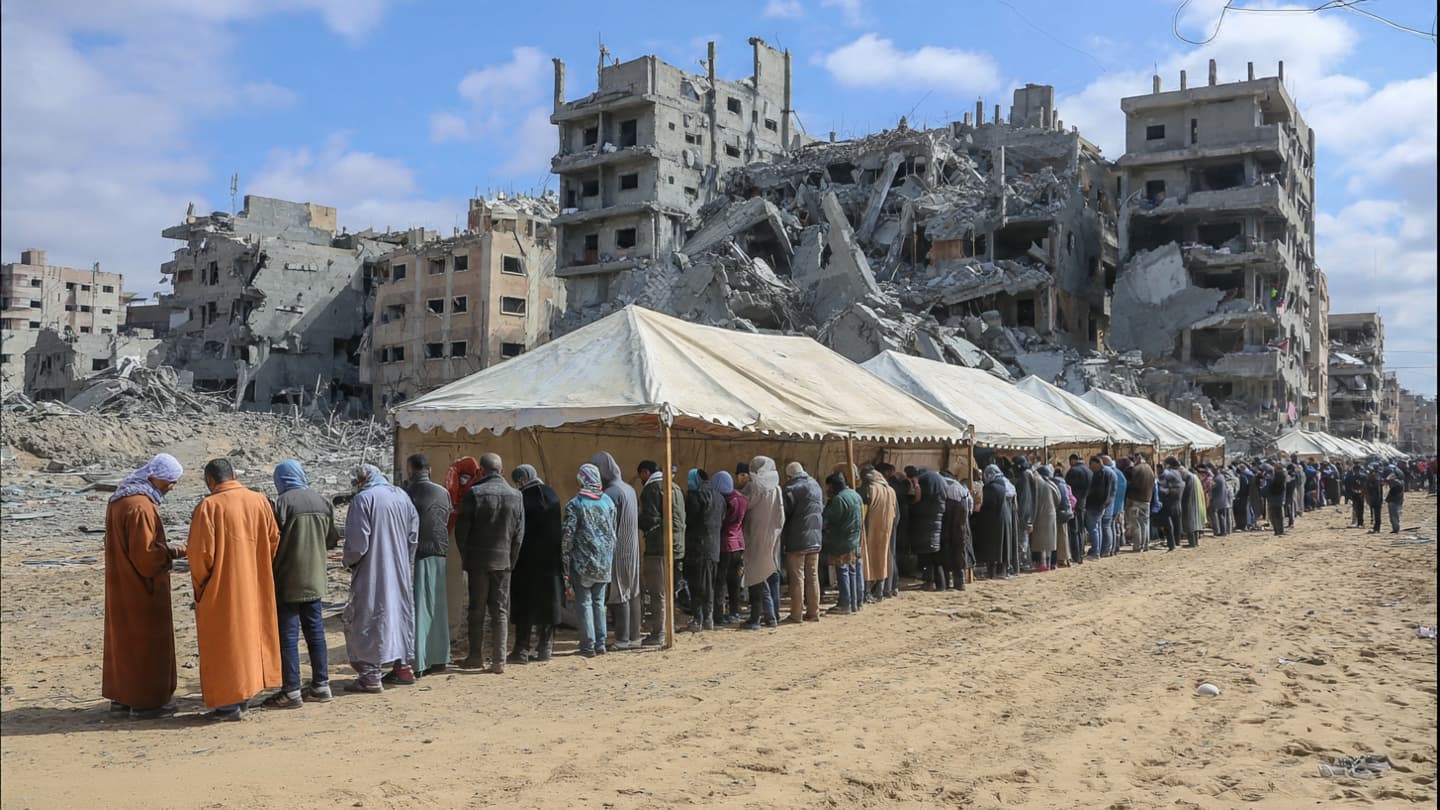
In Deir al-Balah, a city in central Gaza, polling stations were set up in makeshift tents and borrowed buildings, a stark contrast to the civic halls found in more stable regions. This election marked a significant moment for many, as it was the first time in two decades that residents had the opportunity to vote. The last elections in Gaza occurred in 2006, when Hamas won a legislative vote, leading to a division between Hamas and Fatah that has since defined Palestinian politics.
Approximately 70,000 voters in Deir al-Balah were eligible to participate in what officials described as a pilot election, testing the waters for re-integrating Gaza into the broader Palestinian political framework. Meanwhile, nearly 1.5 million Palestinians in the West Bank were registered to vote, with local councils playing a crucial role in managing daily life essentials such as roads, water, and sanitation.
These elections were the first since the outbreak of war in Gaza in 2023, occurring in a climate of widespread disillusionment. President Mahmoud Abbas, who has been in power for over a decade beyond his original term, faces increasing criticism from younger Palestinians who feel disconnected from the aging leadership. Legislative and presidential elections have been repeatedly postponed, leaving municipal elections as one of the few remaining avenues for democratic expression.
Despite the opportunity to vote, the choices presented to voters were limited. Hamas officially boycotted the elections, citing conditions that required candidates to recognize the authority of the Palestine Liberation Organization, which is largely dominated by Fatah. Other factions also abstained, leading to many races being uncontested or featuring only one candidate list. This lack of competition contributed to a low voter turnout, with early reports from Deir al-Balah indicating participation was less than anticipated.
The atmosphere at polling stations reflected the weariness of the electorate. Many voters, including women in headscarves and young people voting for the first time, lined up to cast their ballots. Election officials faced logistical challenges due to Israeli restrictions, which complicated the delivery of necessary supplies. Despite these hurdles, the act of voting became a powerful symbol of resilience and civic engagement in a region where such expressions have been stifled.
International observers closely monitored the elections, viewing them as a litmus test for the Palestinian Authority's legitimacy and reform efforts. For Hamas, the results could provide insight into public sentiment, while for ordinary Palestinians, it represented a fleeting opportunity to voice their political will in a system that has often marginalized them.
As the day concluded, the significance of this election extended beyond the ballots cast. It served as a reminder that, even in the face of adversity, the desire for representation and civic participation endures among the Palestinian people.
Published by Banx Network. This article is part of the Banx decentralized media programme, powered by the BXE token on the XRP Ledger.



