
Key Highlights
- U.S. sanctions deadline approaches, impacting global trade dynamics.
- Asian nations, including China and India, maintain trade ties with Iran.
- The resilience of trade agreements showcases adaptability amid geopolitical pressures.
As the U.S. sanctions deadline concerning Iran approaches, the global trade landscape is witnessing a significant shift, particularly in Asia. While the political rhetoric intensifies, the reality on the ground reveals that several Asian nations have established robust trade agreements with Iran that continue to function despite the looming pressures from Washington. This situation highlights the complex interplay between geopolitical strategies and economic necessities.
Countries like China and India have long-standing economic ties with Iran, which include energy imports and infrastructure projects. These relationships, cultivated over years, are not easily disrupted by external pressures. The ongoing trade between these nations and Iran underscores a critical aspect of international relations: the ability of countries to prioritize their economic interests even when faced with potential sanctions from a powerful actor like the United States.
Oil remains a central commodity in these exchanges, flowing through various channels, including pipelines and maritime routes. The contracts and currencies involved in these transactions reflect a careful balance of risk management and economic necessity. For many Asian countries, access to energy resources is not merely a strategic choice but a fundamental requirement for their industrial growth. This reality shapes their decisions, often leading them to diverge from the expectations set by Western powers.
The impending U.S. sanctions introduce a layer of uncertainty into these established trade routes. However, the inertia of signed agreements often means that trade will continue, albeit under new conditions. Logistics networks and financial mechanisms are already in place to support these transactions, allowing for adjustments in routes and payment structures without completely severing ties. This adaptability is a hallmark of global trade, which tends to find alternative pathways in response to challenges.
Analysts observe that this scenario reflects a broader trend in the global economy, where multipolar relationships are becoming increasingly significant. The capacity of any single nation to isolate another is diminishing, as trade networks evolve to navigate around obstacles. This resilience is akin to water finding its way through a landscape, reshaping itself while maintaining its forward momentum.
Despite the ongoing trade, the implications of the U.S. sanctions remain profound. They can affect banking systems, insurance markets, and the legal frameworks that govern international trade. Even as agreements persist, they may require renegotiation and compliance under new terms, complicating the landscape further. Thus, the continuation of trade is not merely a straightforward process but involves a complex web of negotiations and adjustments.
As the deadline approaches, stakeholders in markets and governments are closely monitoring the situation. The facts are clear: a significant U.S. deadline regarding Iran is imminent, while several Asian nations continue to uphold their trade agreements with Tehran. This intersection of policy and practice reveals the intricate dynamics of the global economy, characterized by both tension and resilience.
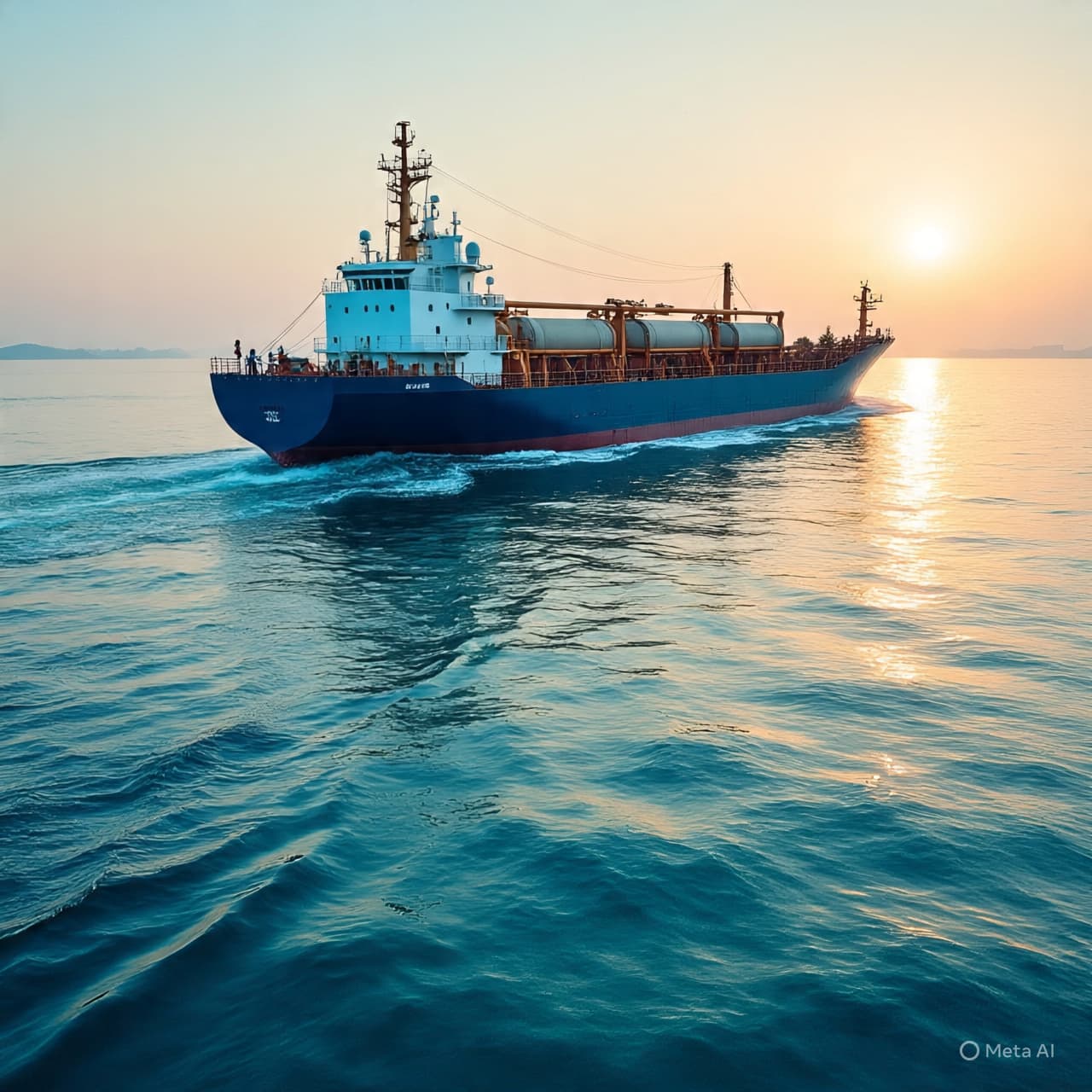
In conclusion, as the clock ticks down, trade routes remain active, reflecting a world that is constantly in motion. The ships navigating these waters symbolize the ongoing agreements that, while influenced by deadlines, do not always conform to them. The adaptability of these trade corridors illustrates the enduring nature of economic relationships in an ever-changing geopolitical landscape.
Published by Banx Network. This article is part of the Banx decentralized media programme, powered by the BXE token on the XRP Ledger.



