
Key Highlights
- Record Temperatures:France sees unprecedented heat exceeding 40°C.
- Drownings Reported:Forty people have drowned since June 18, many young.
- Climate Change Impact:Europe is warming faster than the global average, increasing heatwave likelihood.
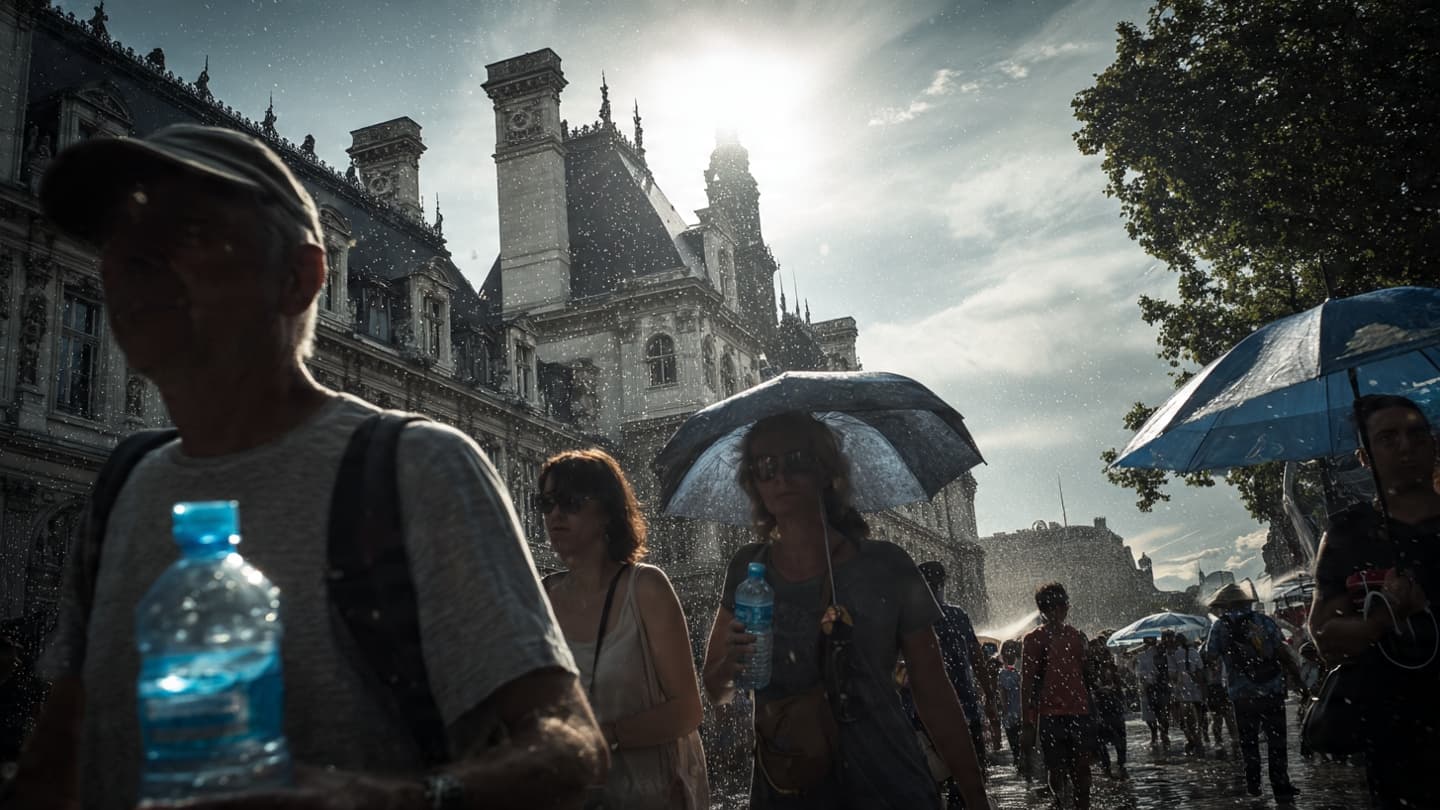
France is currently grappling with an unprecedented heatwave that has enveloped the nation in extreme temperatures, marking a significant shift in the summer climate. As of late June, thermometers across much of the country have soared beyond familiar thresholds, with southwestern regions recording temperatures exceeding 40 degrees Celsius. This heatwave has been described by meteorologists as unprecedented, surpassing previous records set during the notorious heat events of 2003 and 2019. The relentless heat has persisted both day and night, leaving little respite for the population.
The impact of this extreme weather is evident not only in the soaring temperatures but also in the adjustments made to daily life. Schools have altered their schedules to accommodate the heat, while train services are facing increased strain. Tourists visiting France's iconic landmarks have encountered shortened hours as authorities adapt to the exceptional conditions. In Paris, even the most famous monuments, accustomed to welcoming throngs of visitors, have had to adjust to the unusual climate.
However, the human story behind the heatwave is perhaps the most poignant. As temperatures climbed, water sources became a refuge for many seeking relief from the oppressive heat. Rivers, lakes, and swimming spots drew crowds, but this search for comfort has also led to tragedy. French authorities have reported that forty individuals have drowned since June 18, with many of the victims being young people. Several incidents occurred in unsupervised swimming areas, where the dangers of strong currents and unfamiliar conditions turned moments of escape into life-threatening situations.
The heatwave's effects are not confined to France alone; it is part of a broader European phenomenon. Countries from Spain to Italy and parts of Central Europe are experiencing similar extreme weather conditions. Red alerts have been issued across various regions, prompting modifications or cancellations of public events and the opening of cooling shelters. The heatwave has fundamentally altered daily routines for millions, a stark reminder of how climate change is reshaping our environment.
Meteorologists attribute this extreme weather to a persistent atmospheric pattern that has trapped warm air over western and central Europe, creating a dome of heat that has built up over time. Notably, some of the most remarkable records have been set not just during the day but at night, as warm air lingers, providing little relief even after sunset. This phenomenon is a clear indication of the changing climate, with weather agencies noting that Europe is warming at a rate faster than the global average, increasing the frequency of severe heat episodes.
As France navigates the immediate challenges posed by this heatwave, emergency meetings have been convened, and public safety warnings are in effect. Authorities are urging caution near waterways as temperatures remain elevated. The hottest day on record may ultimately be remembered not just for the numbers on thermometers but for the lives affected by a week when heat reshaped ordinary choices and highlighted the urgent need for adaptation in the face of climate change.
As evening descends upon cities and countryside alike, rivers continue their steady flow toward the sea, a reminder of the natural rhythms that persist even amid human challenges. This summer, however, carries with it new questions about resilience, adaptation, and the delicate balance between humanity and a climate that is increasingly testing our limits.
Published by Banx Network. This article is part of the Banx decentralized media programme, powered by the BXE token on the XRP Ledger.



