Sport has long been celebrated as a meeting place of human endurance, discipline, and collective spirit. Stadiums bring together athletes and spectators under shared anticipation. Yet as global temperatures rise, the environment surrounding major sporting events is becoming an increasingly important part of the conversation.
A recent international study has highlighted growing concerns regarding the risks posed by extreme heat during large-scale sporting events. Researchers warn that prolonged exposure to high temperatures may affect athletes, spectators, event staff, and supporting infrastructure.
The study examined how heat stress can influence athletic performance and increase the likelihood of dehydration, heat exhaustion, and heatstroke. Endurance competitions and outdoor events are considered particularly vulnerable during periods of exceptional heat.
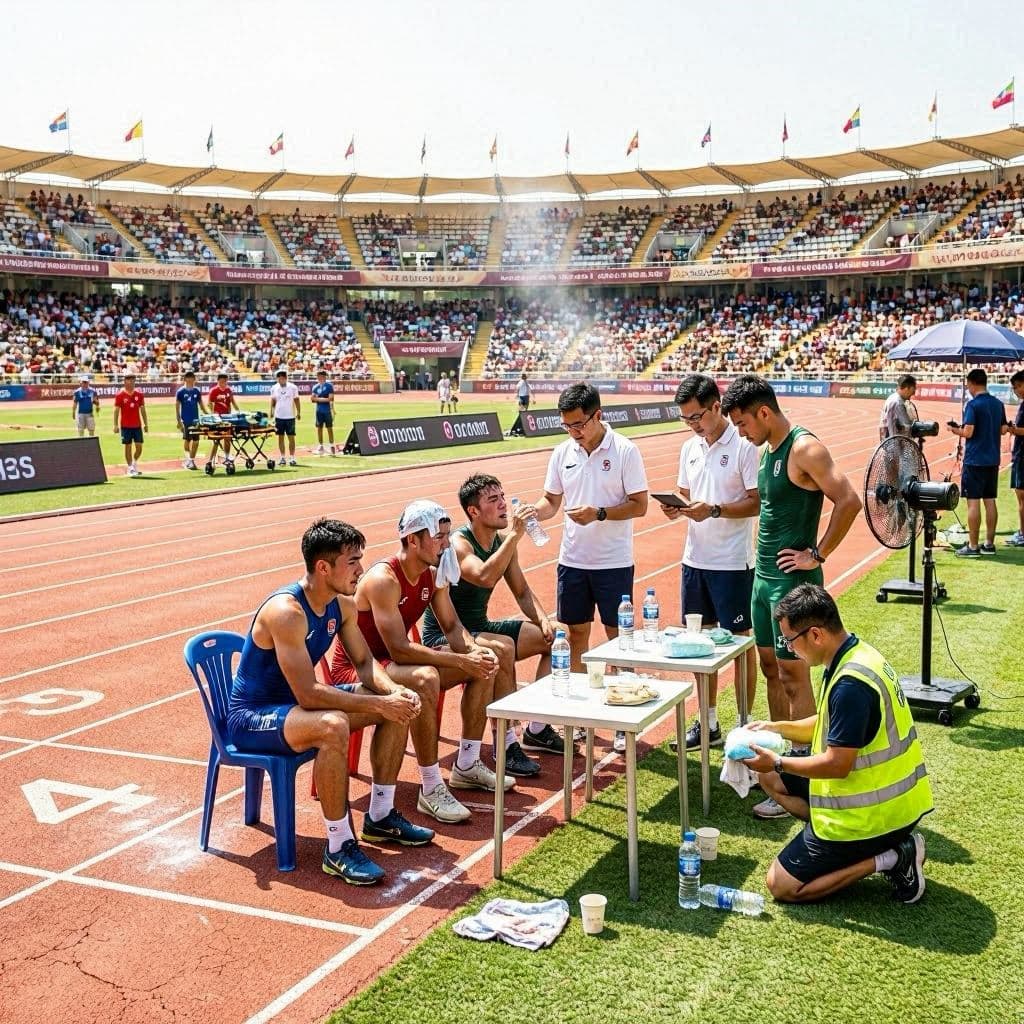
Sports governing bodies have already begun implementing measures designed to protect participants. These include adjusting competition schedules, increasing hydration opportunities, expanding shaded areas, and strengthening medical support services.
Scientists involved in the research stress that planning for extreme weather should become a routine component of organizing international sporting events. Risk assessments and weather monitoring systems are increasingly regarded as essential tools for event management.
Athletes and coaches are also adapting training programs to better prepare for high-temperature conditions. Specialized acclimatization strategies and physiological monitoring techniques are now widely used in elite sports.
The issue extends beyond competition itself. Large crowds attending sporting events may also face elevated health risks during heatwaves, particularly in venues with limited access to shade or cooling facilities.
Researchers suggest that future host cities may need to incorporate climate resilience considerations into stadium design, transportation planning, and emergency response frameworks.
As the global sporting calendar continues to expand, experts believe that integrating scientific knowledge into event planning will be crucial to ensuring both safety and performance in a warming world.
AI Image Disclaimer: The illustration accompanying this article was generated by AI to visually support understanding of the topic.
Source Verification Check: Reuters, World Athletics, International Olympic Committee, Associated Press, BBC Sport
Published by Banx Network. This article is part of the Banx decentralized media programme, powered by the BXE token on the XRP Ledger.