
Key Highlights
- France is investing in cooling systems for schools to combat rising temperatures.
- Energy company EDF is leading infrastructure upgrades in educational facilities.
- Adaptation measures are crucial as extreme weather events become more frequent.
As climate patterns evolve, classrooms in France are increasingly challenged by rising temperatures that disrupt education and student well-being. In response to the growing frequency of heatwaves, French authorities are taking significant steps to enhance cooling systems in schools and childcare facilities. This initiative reflects a broader concern about the impact of extreme heat on public health and educational outcomes.
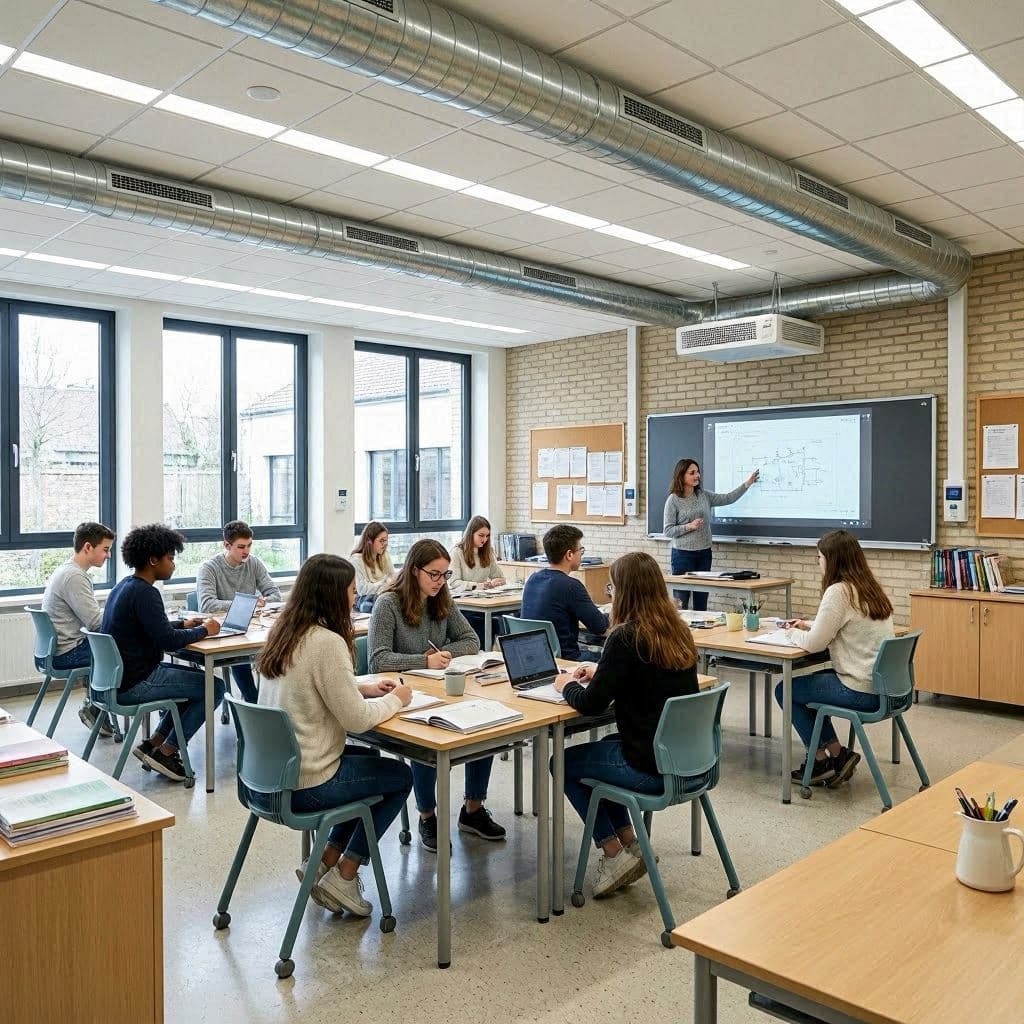
Energy company EDF has announced a substantial investment aimed at improving cooling infrastructure across educational institutions. These upgrades include the installation of energy-efficient cooling technologies, enhanced ventilation systems, and modifications to existing buildings to maintain safer indoor temperatures. The goal is to create a more conducive learning environment that supports student concentration and reduces health risks associated with high temperatures.
Officials have noted that classrooms can become particularly vulnerable during prolonged heatwaves, leading to potential disruptions in educational activities. In recent years, several regions in France have experienced temporary school closures or modified schedules due to extreme heat. By strengthening the cooling infrastructure, authorities aim to minimize future disruptions and enhance resilience against climate-related challenges.
In addition to immediate cooling solutions, architects and climate specialists are advocating for broader changes in urban planning. Recommendations include increasing tree coverage, improving building insulation, utilizing reflective roofing materials, and redesigning public spaces to naturally mitigate heat accumulation. These strategies not only address the immediate needs of educational facilities but also contribute to long-term sustainability in urban environments.
This initiative aligns with ongoing discussions across Europe regarding the adaptation of public infrastructure to a warming climate. Researchers emphasize that as extreme weather events become more frequent, adaptation measures are essential for safeguarding public health and ensuring the continuity of education.
Education officials have welcomed these investments, highlighting that comfortable learning environments are crucial for both student well-being and academic performance. The modernization of infrastructure is expected to continue over the coming years as part of France's broader climate adaptation strategies, ensuring that schools can effectively respond to the challenges posed by climate change.
As France reimagines its classrooms, the focus remains on creating safe, comfortable, and resilient educational spaces that can withstand the impacts of a changing climate. This proactive approach not only benefits students today but also sets a precedent for future generations in adapting to environmental challenges.
Published by Banx Network. This article is part of the Banx decentralized media programme, powered by the BXE token on the XRP Ledger.



