
Key Highlights
- Ceasefire Extension:Israel and Lebanon agree to a 45-day ceasefire.
- International Support:The extension follows mediation by the U.S. and allies.
- Ongoing Tensions:Analysts warn of unresolved political issues despite the pause.
In regions shaped by decades of conflict, even temporary moments of calm can carry profound significance. The recent decision by Israel and Lebanon to extend their ceasefire agreement for an additional 45 days has provided a renewed opportunity for diplomacy at a time when regional tensions remain elevated. This extension is seen as a crucial step in preventing further hostilities along the Israel-Lebanon border, which has been a flashpoint for violence in the past.
The ceasefire extension follows intensive mediation efforts supported by the United States and other international partners. These efforts aim to foster dialogue and prevent a resurgence of violence that could destabilize the region further. Officials from multiple countries have welcomed the agreement, viewing it as a constructive step toward maintaining peace in a historically volatile area.
Border areas have experienced repeated periods of tension in recent years, often raising fears of wider regional instability. The ceasefire extension is intended to preserve the current reduction in hostilities while diplomatic discussions continue. International observers emphasize that ceasefires serve not only to halt immediate violence but also to create space for broader political negotiations. Maintaining communication channels remains a central objective for mediators involved in the process.
Residents living near the border have endured prolonged uncertainty, with many communities experiencing displacement and disruptions to daily life. Humanitarian organizations continue to monitor conditions and support affected populations. The extension of the ceasefire offers a glimmer of hope for these communities, allowing them to regain some semblance of normalcy while the threat of renewed conflict looms.
Despite the extension, analysts caution that underlying political and security issues remain unresolved. Long-term stability will likely require sustained diplomatic engagement addressing broader regional concerns. The complexities of the Israel-Lebanon relationship, coupled with the influence of external actors, mean that the path to lasting peace is fraught with challenges.
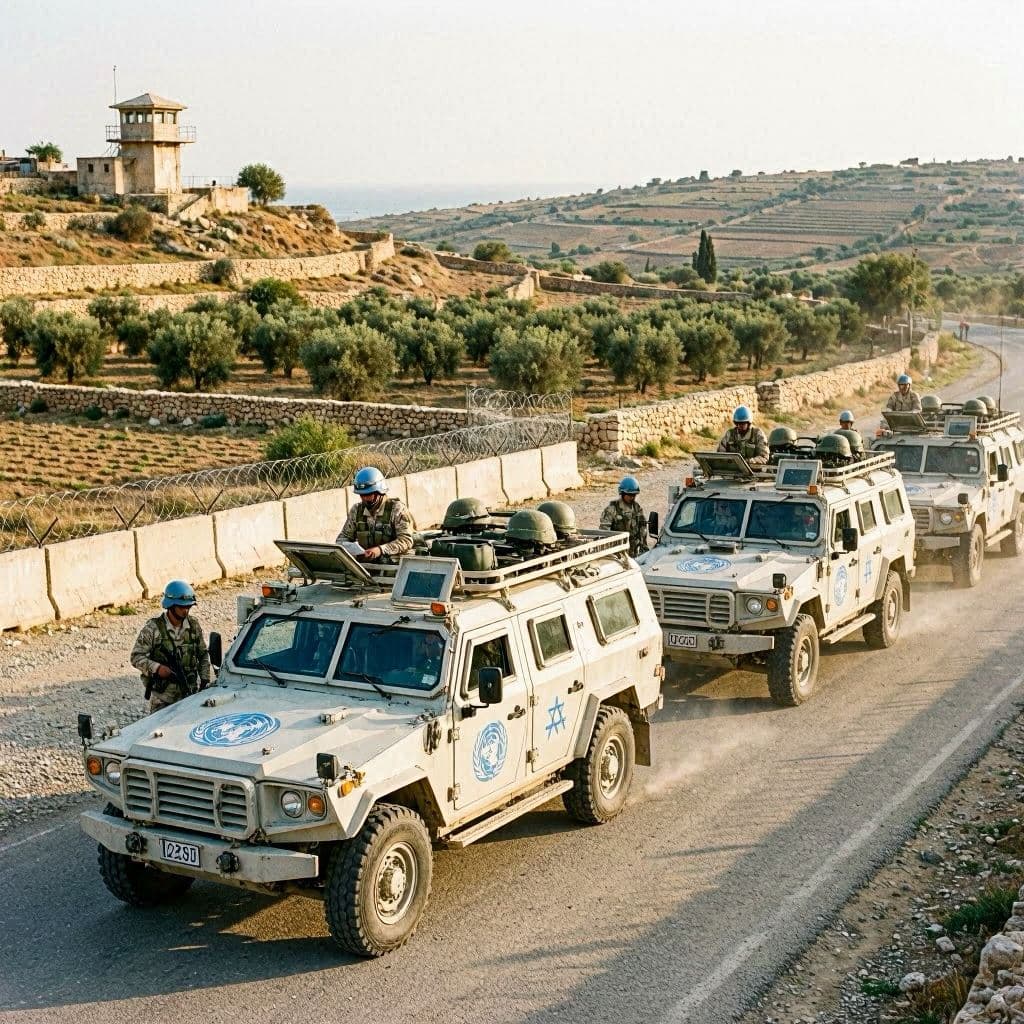
The United Nations and several Western governments have expressed support for ongoing dialogue, underscoring the importance of preserving calm and preventing unintended escalation. Regional dynamics continue to evolve amid broader Middle Eastern tensions, making diplomatic progress particularly significant. Even limited agreements can help reduce immediate risks while larger negotiations proceed.
For now, the extended ceasefire offers residents and policymakers alike additional time to pursue peaceful solutions and strengthen efforts toward lasting stability. The hope is that this fragile pause can lead to more substantial agreements that address the root causes of conflict in the region.
Published by Banx Network. This article is part of the Banx decentralized media programme, powered by the BXE token on the XRP Ledger.



