
Key Highlights
- Iran rejects U.S. demands, escalating diplomatic tensions.
- The Strait of Hormuz remains a critical point for global oil trade.
- Economic pressures mount on Iran as negotiations stall.
Diplomatic relations between Iran and the United States have reached a critical juncture, marked by escalating tensions and stalled negotiations. This week, Iran firmly rejected U.S. demands for peace, dismissing Washington's response to Tehran's latest proposal as an attempt to impose terms from a distance. President Donald Trump and Secretary of State Marco Rubio have both criticized Iran's offer, claiming it fails to address the core issue of Tehran's nuclear ambitions.
Iran's proposal included reopening the Strait of Hormuz, easing maritime disruptions, and moving towards a ceasefire, contingent on the lifting of the U.S. naval blockade and halting active hostilities. However, the U.S. deemed the delay in discussions regarding Iran's nuclear program unacceptable. Rubio emphasized that the nuclear issue is central to the ongoing conflict, while Trump expressed dissatisfaction with the proposal, suggesting that Iran's leadership is fractured and weakened.
In response, Iranian officials asserted that the U.S. is no longer in a position to dictate policy, indicating a mix of public defiance and strategic calculation. Foreign Minister Abbas Araghchi's recent visit to Moscow for talks with President Vladimir Putin highlights Iran's search for diplomatic support and leverage in the ongoing standoff. The Strait of Hormuz, a vital waterway for global oil and gas trade, has become both a bargaining chip and a potential battlefield, with energy markets reacting to the heightened tensions.
The economic implications of this standoff are significant. Analysts warn that Iran may soon face a critical shortage of storage space for unsold oil due to ongoing export disruptions. Internally, the country is grappling with divisions between moderates who seek a diplomatic resolution and hardliners who resist any concessions. Meanwhile, Trump faces his own political pressures as the conflict drags on, with approval ratings slipping amid rising global market anxieties.
As the stalemate continues, regional dynamics remain volatile. In Lebanon, Hezbollah has intensified drone strikes against Israeli forces, while tankers remain anchored in the Gulf, awaiting resolution. Mediators from Pakistan and Oman are actively shuttling between capitals, but optimism for a breakthrough is waning. Russia, observing the situation closely, may see an opportunity to position itself as a key broker in the conflict.
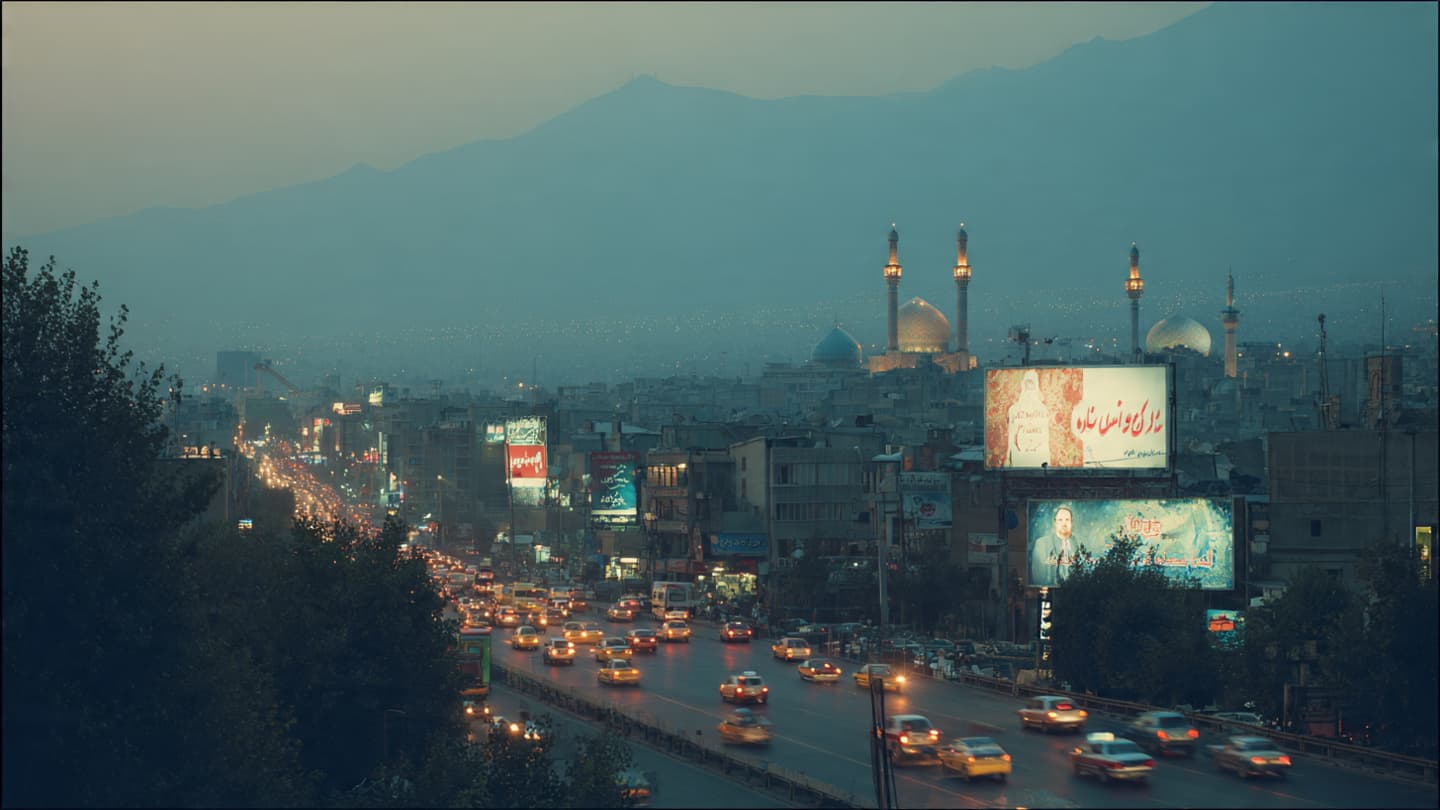
Despite the overarching geopolitical tensions, daily life in Tehran persists. Shops open, traffic flows, and families gather, all while the specter of conflict looms overhead. The complexities of peace in this region are rarely resolved through singular declarations; instead, they emerge in fragmented discussions that often fail to align.
This week, the fragments of diplomacy did not coalesce, leaving both sides entrenched in their positions as the world watches closely.
Published by Banx Network. This article is part of the Banx decentralized media programme, powered by the BXE token on the XRP Ledger.



