The British housing market often changes with the seasons, and August has traditionally been a quieter month. This year, however, the summer pause has brought a more noticeable movement in prices. Newly listed homes across Britain recorded their sharpest August decline in eight years, adding another detail to a housing market still adjusting to borrowing costs and changing buyer behavior.
Rightmove reported that asking prices for newly listed homes fell 1.8% in August compared with July. The decline was the largest August fall since 2018, suggesting that sellers were becoming more cautious about the prices they could achieve in the current market.
The data cover asking prices rather than completed transactions. That distinction is important because the price advertised by a seller does not necessarily become the final price paid by a buyer. Asking prices can nevertheless provide an early indication of how expectations are changing before completed-sale statistics become available.
August is also a month when the housing market normally slows. Families are often away on summer holidays, while potential buyers may postpone major decisions until the autumn. Rightmove's figures therefore need to be viewed within that seasonal pattern rather than as a single measure of the entire housing market.
Even with the decline, there were signs of activity. Rightmove said the number of home sales agreed increased compared with the same period a year earlier. The combination of softer asking prices and continuing transactions suggests that buyers and sellers are still finding ways to meet somewhere between expectations.
Mortgage costs remain an important part of the picture. Higher borrowing costs can influence how much prospective buyers are able or willing to spend, while homeowners considering a move also have to account for the cost of financing their next property.
The regional picture can differ considerably. Britain's housing market is not one single landscape; London, the southeast, northern England, Scotland and Wales can experience different patterns of demand and pricing. National figures therefore provide an overview, while local markets continue to move according to their own economic conditions.
The latest decline also comes after a period in which the housing market has been adjusting to the effects of elevated interest rates. Buyers have gradually adapted to higher financing costs, while sellers have had to reconsider the relationship between previous valuations and what buyers are prepared to pay today.
For households, the change in asking prices can create different effects depending on where they stand. A prospective buyer may see lower asking prices as an opportunity, while an existing homeowner preparing to sell may view the same movement through the lens of equity and future purchasing power.
The August figures also arrive as Britain watches wider economic indicators. Inflation rose to 2.9% in July, while labor-market data showed signs of weaker employment demand. Those developments can influence household confidence and the ability of buyers to commit to long-term borrowing.
The housing market therefore enters the late summer with a mixture of softer prices and continuing activity. Rightmove's figures do not establish the direction of the market for the rest of the year, but they provide another indication that sellers are adjusting expectations as Britain moves toward the traditionally busier autumn housing season.
Image Disclaimer
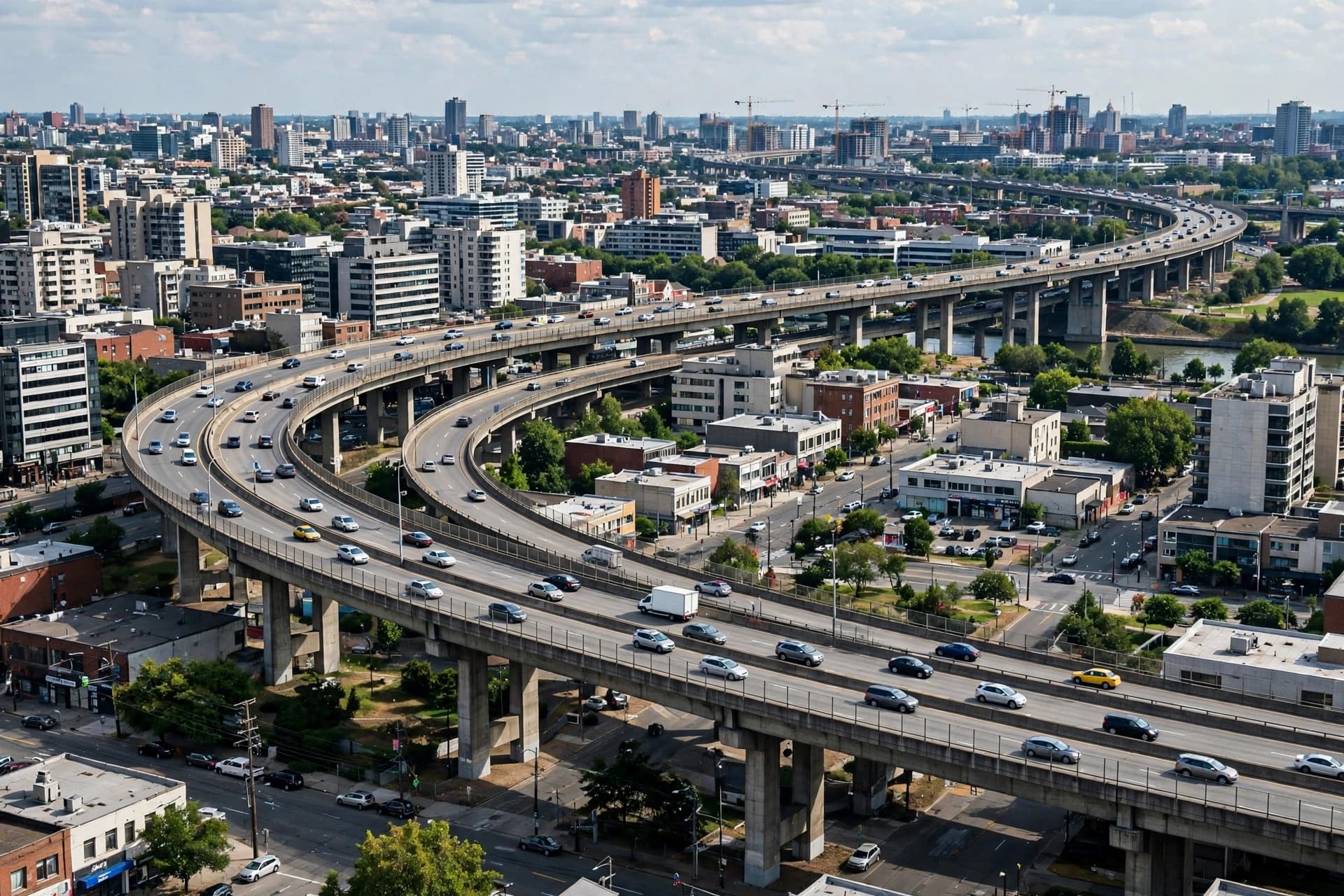
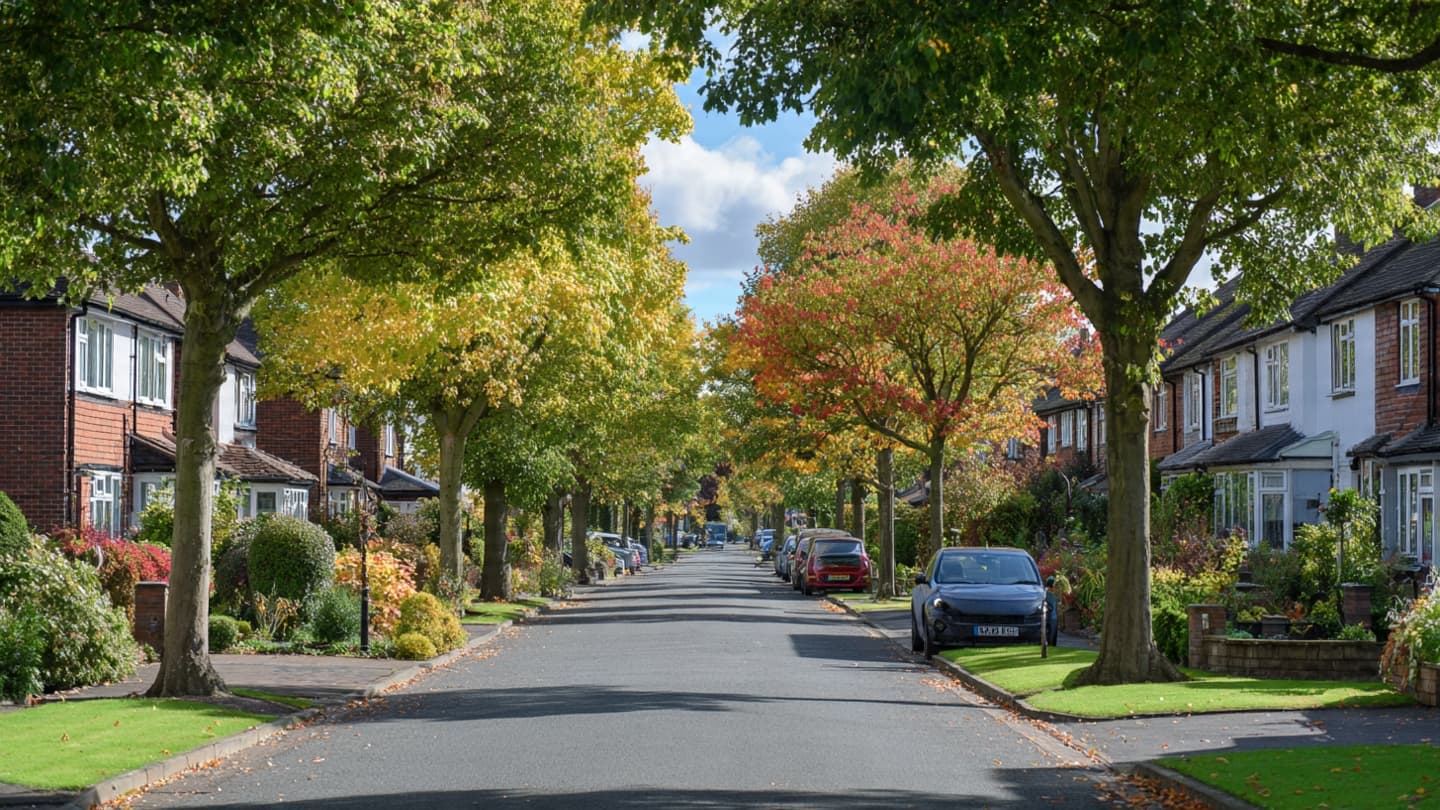
The accompanying illustrations were created with AI and are intended to visually represent the UK housing market rather than depict actual property listings.
Sources
Reuters Rightmove Office for National Statistics Bank of England BBC
Published by Banx Network. This article is part of the Banx decentralized media programme, powered by the BXE token on the XRP Ledger.