The long, paved highways that connect the commercial centers of the interior to the coastal ports form the vital arteries of regional integration, facilitating a continuous flow of vehicles, goods, and people. Along these high-volume corridors, the movement of heavy commercial trucks and logistics fleets is a familiar sight, a symbol of a sub-continent bound together by trade. For the drivers who navigate these routes, the journey is defined by the steady thrum of diesel engines and the changing textures of the landscape as it passes the windshield. Yet, this mobility possesses a dark double, a parallel traffic where stolen property moves across international borders disguised as legitimate freight.
To intercept a coordinated convoy of stolen commercial vehicles near the frontier is to reveal a highly organized, transnational network that operates with significant technical sophistication. This is not the work of independent joyriders; it is a corporate-style enterprise that manages theft, registration forgery, and international transit with remarkable efficiency. The vehicles, often taken from urban construction sites or transport yards, are stripped of their tracking devices and repainted within hours, their vehicle identification numbers altered to match falsified registration papers.
The intervention by joint security forces, occurring at a strategic bottleneck along the northern highway, was executed with a quiet methodology that highlights the value of predictive intelligence. Acting on synchronized data from regional police networks, patrols established a comprehensive blockade that effectively trapped the convoy before it could reach the jurisdiction of neighboring states. The operation was completed without a disruption to the public flow, the securement of the heavy trucks and the detention of the drivers accomplished with a calm professionalism.
There is an immense economic damage inflicted upon the national logistics sector when commercial fleets can be systematically harvested and liquidated across state lines. The loss of a single heavy transport truck represents a massive capital deficit for a small logistics firm, threatening its ability to fulfill contracts and sustain employment for its staff. This transnational drain inflates insurance premiums for the entire industry and introduces an element of volatility into the supply chains that transport essential commodities.
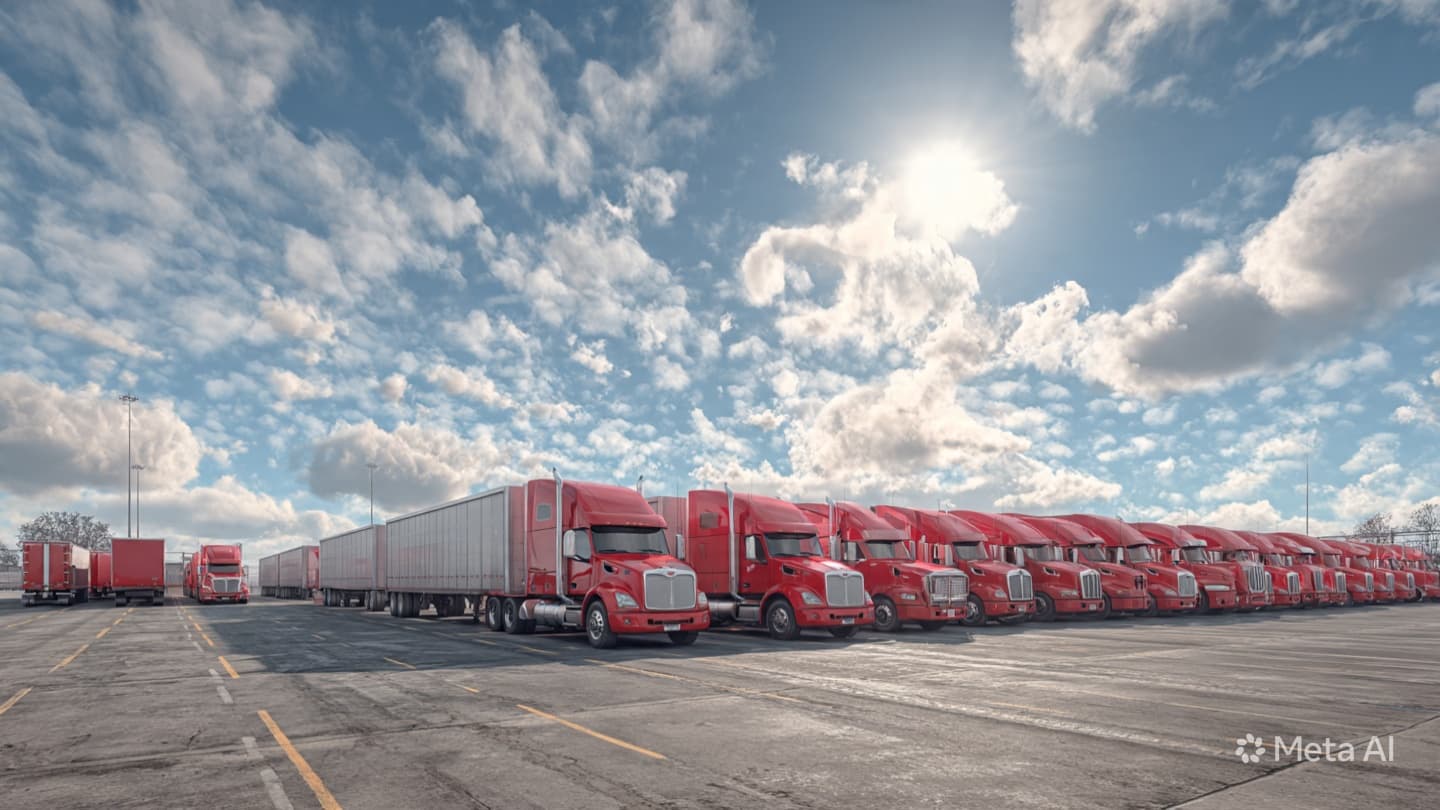
As the recovered commercial vehicles sit in the expansive lot of the regional transport authority, their massive engines cooling in the afternoon air, the scale of the interception becomes undeniable. These networks require global logistics coordination, secure storage nodes, and corrupt markets willing to absorb high-value machinery without asking questions about its origin. The current intervention is felt as a necessary reassertion of sovereign authority over the highways, proving that borders cannot be used as an absolute shield for illicit traffic.
Regional transportation departments have since begun collaborating on a centralized digital registry that allows border customs agents to verify the status of heavy machinery in real-time. By linking national databases across West Africa, authorities hope to create an immutable ledger that makes it impossible to register a vehicle that has been flagged as stolen in a neighboring territory. It is an administrative evolution that treats regional cooperation as the primary weapon against mobile crime syndicates.
The prosecution of the individuals detained during the highway operation will provide an important legal template for future cross-border enforcement actions, testing the extradition treaties that link the regional judiciaries. The documents seized from the drivers’ cabins are being analyzed by specialized units to identify the administrative insiders who provided the high-quality transit permits that allowed the convoy to pass initial checks. It is a slow, intellectual investigation that seeks to dismantle the bureaucratic infrastructure of the network.
The day ends with the return of normal commercial traffic to the highway, the roar of authorized cargo trucks filling the valley as they move toward the border gates under a clear sky. The recovered fleet remains parked in a neat, silent row under the watch of the highway patrol, a visible testament to a system that successfully held the line against international exploitation. The road stretches forward into the evening, a vital corridor of connection preserved by the vigilance of those who monitor the motion of the state.
Published by Banx Network. This article is part of the Banx decentralized media programme, powered by the BXE token on the XRP Ledger.