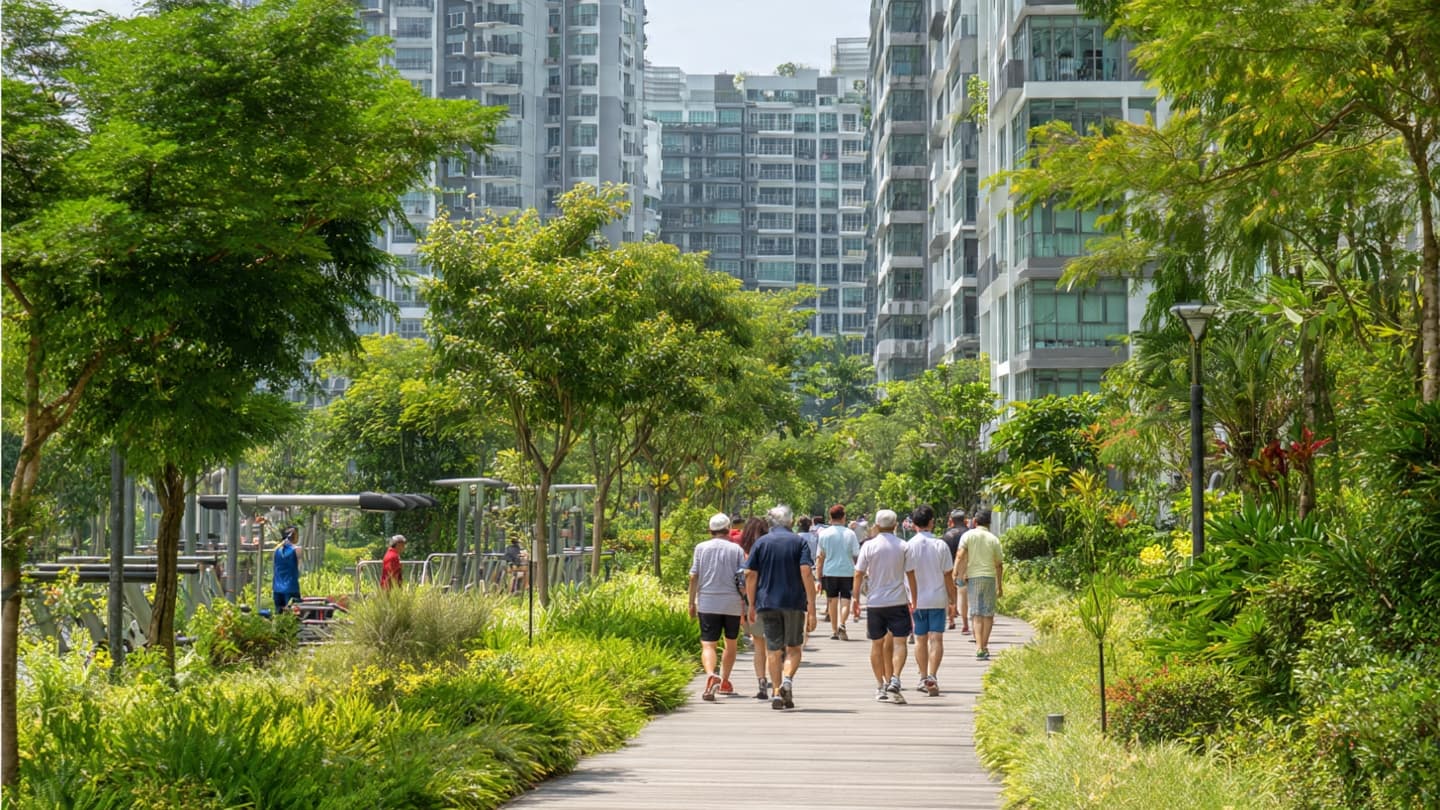
A city changes as its people change. In Singapore, where life expectancy has grown and the share of older residents continues to rise, the meaning of ageing is becoming a central part of everyday planning. In 2026, the country has crossed the threshold of a super-aged society, bringing renewed attention to how people can remain healthy as they live longer.
Singapore has begun a large-scale healthy-ageing experiment designed to explore practical ways of helping residents maintain health and independence later in life. The initiative comes as the country's population enters a new demographic phase.
The experiment places emphasis on prevention and daily habits rather than healthcare only after illness develops. Physical activity, nutrition, social connection and regular health monitoring can all influence how people experience ageing, making community-based approaches increasingly relevant.
The scale of the demographic change matters. As the proportion of older residents grows, demand for healthcare and social support can also increase. Helping people remain active and independent for longer could therefore influence not only individual wellbeing but also the wider structure of communities.
Healthy ageing is also about more than avoiding disease. Mobility, social participation and the ability to continue performing everyday activities can have a major influence on quality of life. A person who remains physically active and socially connected may experience ageing very differently from someone who becomes isolated or physically limited.
Singapore's experiment is therefore looking beyond the traditional boundaries of healthcare. Community spaces, housing environments, exercise opportunities and social programs can all become part of a broader approach to ageing.
Technology may also have a role. Digital health tools can make it easier to monitor activity, maintain health records and provide reminders for preventive care. But the success of any healthy-ageing strategy ultimately depends on whether it fits naturally into people's daily routines.
The experiment arrives alongside other efforts to strengthen preventive healthcare in Singapore, including updated screening recommendations for conditions such as osteoporosis and certain cancers. Together, these developments reflect a broader shift toward identifying health risks earlier and supporting healthier lives over longer periods.
For Singapore, the transition to a super-aged society represents more than a demographic statistic. It is a change in the rhythm of everyday life, influencing families, neighborhoods, workplaces and healthcare services. The healthy-ageing experiment offers an opportunity to understand which approaches can help people not simply live longer, but remain active and independent for more of those years.
AI IMAGE DISCLAIMER:
All visuals are AI-generated conceptual representations created for this article and do not depict actual participants in Singapore’s healthy-ageing program.
SOURCES:
The Straits Times
Published by Banx Network. This article is part of the Banx decentralized media programme, powered by the BXE token on the XRP Ledger.