

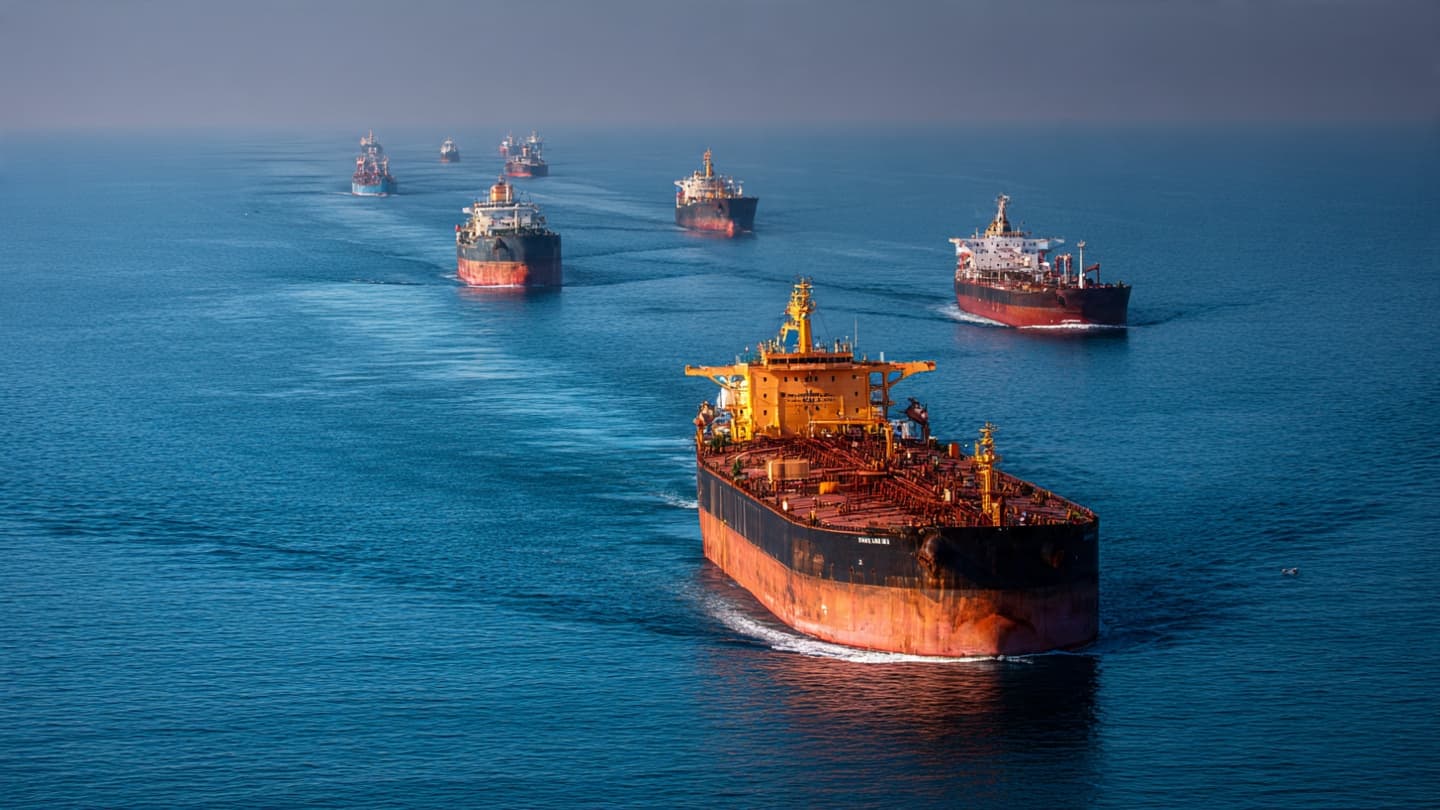
Key Highlights
- Increased Maritime Traffic:Oil and LNG tankers are resuming voyages through the Strait of Hormuz.
- Geopolitical Context:Recent tensions have disrupted shipping, but confidence is gradually returning.
- Insurance and Costs:While insurance premiums have eased, tanker rates remain high due to demand.
The Strait of Hormuz, a vital maritime corridor, has seen a resurgence in shipping activity as oil and liquefied natural gas (LNG) tankers begin to navigate its waters once again. This increase follows a period of significant disruption caused by regional tensions, which had led to a notable decline in maritime traffic. Recent shipping data indicates that vessel operators are cautiously returning to the strait, signaling a tentative recovery in the industry.
Several supertankers and Qatar-linked LNG carriers have successfully crossed the Strait of Hormuz in recent weeks, reflecting a renewed confidence among shipping companies. However, it is important to note that overall traffic levels remain below those observed prior to the recent geopolitical unrest, highlighting the ongoing challenges faced by the maritime sector.
The Strait of Hormuz is recognized as a critical global chokepoint, responsible for a substantial portion of international oil and gas trade. Any disruptions in this passage can have far-reaching implications, influencing energy markets and shipping costs worldwide. As such, the recent uptick in maritime activity is being closely monitored by industry stakeholders.
Recent diplomatic efforts aimed at reducing tensions in the region have contributed to this cautious recovery in maritime operations. However, security concerns continue to loom large, shaping the operational decisions of vessel owners and insurers. The complex navigation landscape, influenced by varying guidance from regional authorities and international partners, adds another layer of difficulty for shipping companies.
Industry analysts have observed that while insurance premiums have eased somewhat from their recent peaks, they remain elevated compared to historical norms. This situation is compounded by strong demand for tankers and limited vessel availability, which has led to a surge in tanker rates. The interplay of these factors underscores the precarious nature of maritime operations in the region.
Despite the increasing number of ships traversing the Strait of Hormuz, maritime experts caution that fully restoring normal trade flows may take additional time. The evolving security conditions and ongoing diplomatic negotiations will play a crucial role in determining the future of shipping in this vital corridor. As the situation develops, stakeholders will need to remain vigilant and adaptable to navigate the complexities of the current maritime landscape.
Published by Banx Network. This article is part of the Banx decentralized media programme, powered by the BXE token on the XRP Ledger.




