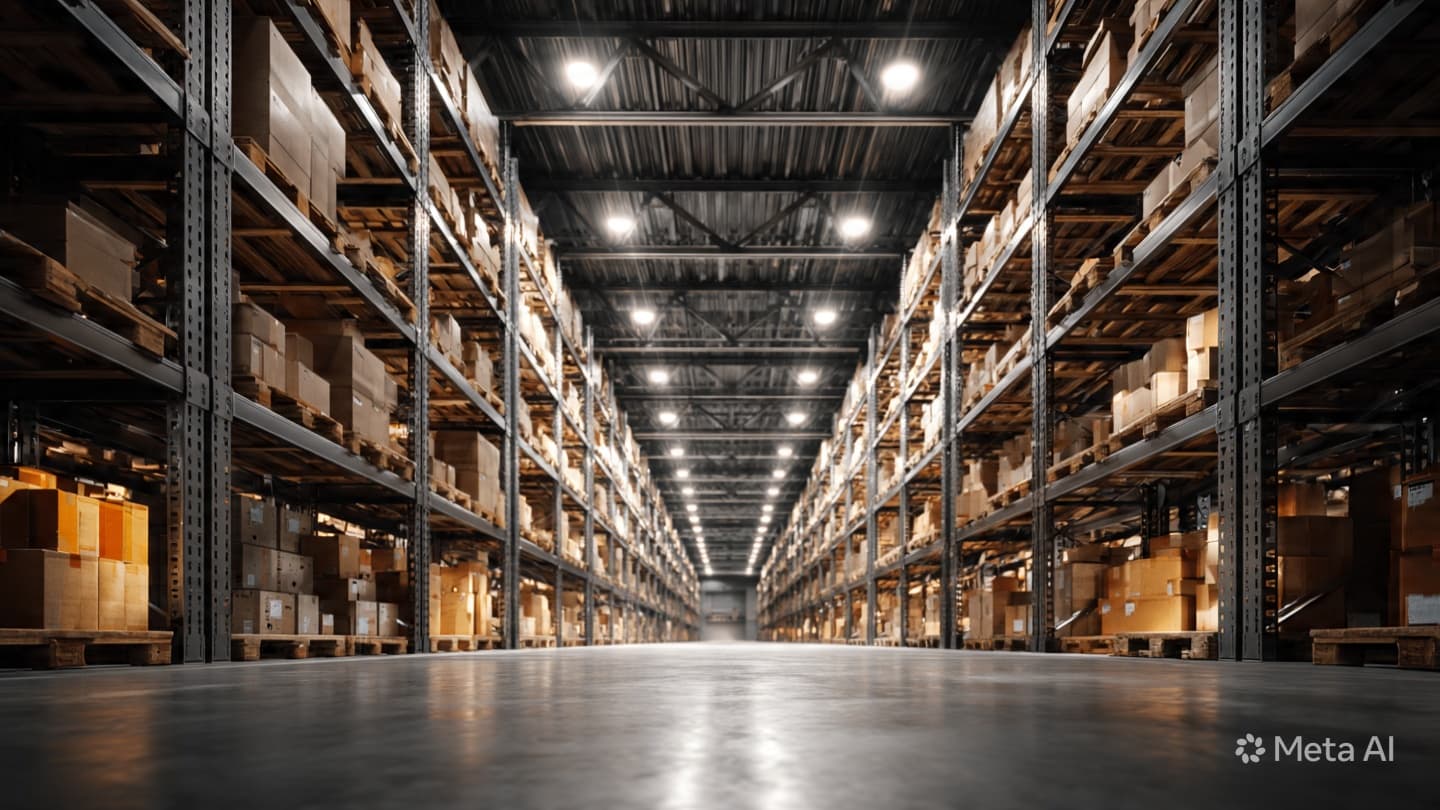
The industrial sectors surrounding the grand port of Lomé operate as a massive, hyper-efficient machine of regional integration, their sprawling warehouses, transport hubs, and manufacturing zones forming the vital backbone of national development. Along these high-volume transit routes, the continuous movement of heavy machinery, technological components, and consumer electronics represents a predictable flow of capital binding international markets to the local economy. The safety of these commercial reserves forms the foundational basis of business confidence, allowing companies to invest heavily in logistics infrastructure with the assurance that their assets are secure. When this industrial peace is broken by a massive, organized heist, the discovery introduces a deep concern into the corporate offices.
To execute a targeted raid on a major criminal warehouse and recover millions in stolen electronics and heavy machinery is to reveal a highly organized, corporate-style network that operates with significant logistical sophistication. This is not the casual opportunism of independent street thieves; it is an enterprise that manages high-volume theft, secure storage, and illicit redistribution with remarkable efficiency. The stolen materials, often hijacked from freight convoys or taken during sophisticated commercial burglaries, are hidden within industrial partitions, their serial numbers tracked and altered before they can be introduced into the parallel domestic and regional markets.
The intervention by Togolese security forces, executing a synchronized assault on the suspected commercial facility in Lomé, was carried out with an observant, methodical precision. Acting on precise data gathered from forensic tracking and digital surveillance of illicit trading channels, specialized police units cordoned off the industrial block before the contraband could be broken down and reloaded onto transit trucks. The subsequent recovery of the multi-million dollar inventory and the securement of the facility were completed without public disruption, effectively breaking a major axis of transnational cargo theft.
There is an immense economic and reputational damage inflicted upon a regional trade hub when its commercial warehouses and industrial logistics can be systematically exploited by criminal syndicates. The loss of high-value machinery and consumer electronics places an artificial financial burden on logistics firms and insurance companies, threatening corporate employment and raising operational costs across the retail sector. The swift, decisive intervention by state security forces serves as a necessary stabilization, proving that the nation's primary industrial zones remain under the strict, watchful protection of administrative law.
As the recovered crates of advanced electronics and industrial equipment are cataloged by state investigators under the brilliant harbor lights, the sheer scale of the syndicate's operational footprint becomes undeniable. These networks require vast capital, secure storage nodes, and an internal pipeline of corrupt brokers willing to absorb high-value commercial property without asking questions about its legal origin. The current enforcement success is felt as a necessary reassertion of sovereign authority over the commercial landscape, confirming that the vital paths of industry will not be allowed to facilitate the traffic of stolen wealth.
Published by Banx Network. This article is part of the Banx decentralized media programme, powered by the BXE token on the XRP Ledger.