
Key Highlights
- Diplomatic efforts in Islamabad faced setbacks as U.S. envoy cancels trip.
- Iranian Foreign Minister Abbas Araghchi leaves before meeting U.S. delegation.
- Tensions escalate in the region amid ongoing conflicts and airstrikes.
The recent diplomatic developments in Islamabad have underscored the fragility of peace negotiations in a region marked by escalating tensions. This past weekend, the Pakistani capital became a focal point for indirect talks between the United States and Iran, yet the anticipated meetings fell apart, leaving many questions unanswered.
On Friday, Iranian Foreign Minister Abbas Araghchi arrived in Islamabad, aiming to discuss bilateral relations and regional issues with Pakistani officials. However, the Iranian government had already tempered expectations regarding direct engagement with U.S. representatives. Instead, Pakistan was positioned as a mediator, tasked with conveying Iran's perspectives to Washington. This role highlights Pakistan's unique position in the geopolitical landscape, serving as a bridge between adversaries.
In Washington, the atmosphere was charged with anticipation. The White House had announced that U.S. special envoy Steve Witkoff and Jared Kushner were set to travel to Islamabad for negotiations aimed at de-escalating tensions with Iran. However, the absence of Vice President JD Vance, who had previously led discussions that yielded little progress, cast a shadow over the potential for meaningful dialogue.
As the weekend unfolded, the situation shifted dramatically. After his meetings, Araghchi departed Islamabad without the expected encounter with the U.S. delegation. Shortly thereafter, President Donald Trump took to social media to announce the cancellation of the U.S. envoy's trip, citing a lack of productive dialogue as the reason for the abrupt change in plans. Trump's remarks emphasized a sense of leverage, suggesting that the U.S. held the upper hand in negotiations.
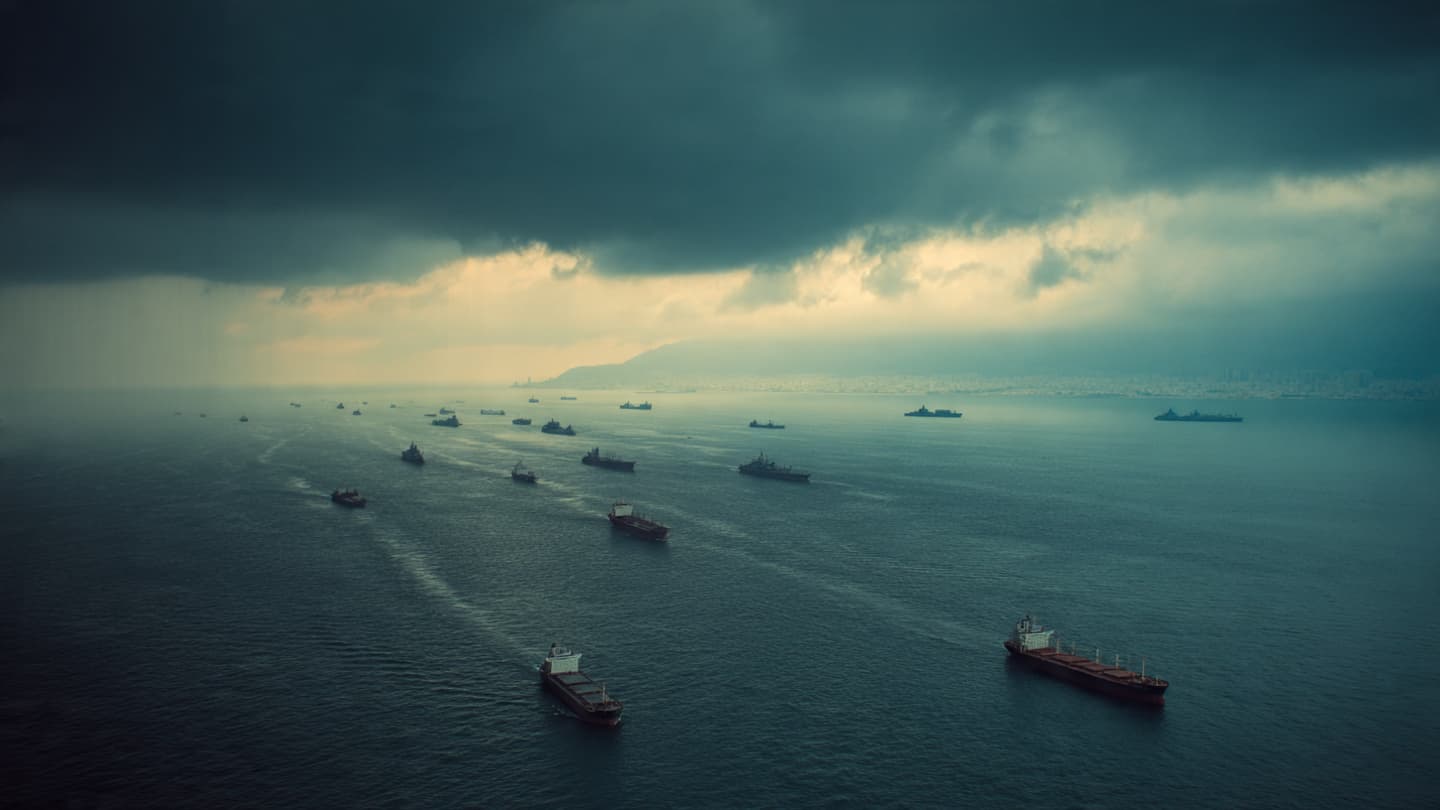
This cancellation not only reflects the complexities of diplomatic engagement but also highlights the precarious nature of peace efforts in a region fraught with conflict. Since late February, tensions between the U.S., Israel, and Iran have escalated, with military actions and retaliatory strikes raising concerns about stability in the Middle East. The ongoing conflict has disrupted global supply chains and heightened anxiety in energy markets, particularly regarding the Strait of Hormuz, a critical maritime route for oil transport.
In addition to the U.S.-Iran dynamics, the situation in southern Lebanon remains tense, with Israeli airstrikes targeting Hezbollah positions. The involvement of various regional players complicates the landscape further, as sanctions tighten and allies express hesitance in their support.
Pakistan's role as a mediator is increasingly significant, as it navigates its own interests while facilitating dialogue between conflicting parties. However, the recent events serve as a reminder that timing is crucial in diplomacy. The departure of one plane and the cancellation of another illustrate how quickly negotiations can shift from hopeful to stalled.
As the dust settles on this weekend's developments, the path to peace remains uncertain. The delicate balance of diplomacy requires not only proposals and pressure but also the right sequence of events. For now, the world watches as the potential for dialogue hangs in the balance, with the hope that future engagements may yet yield a breakthrough in the ongoing conflict.
Published by Banx Network. This article is part of the Banx decentralized media programme, powered by the BXE token on the XRP Ledger.



