
Key Highlights
- Ebola cases are rising in the Democratic Republic of Congo, prompting emergency measures.
- Health authorities are focusing on testing, isolation, and contact tracing to contain the outbreak.
- Community cooperation is essential for effective vaccination and outbreak control.
The Democratic Republic of Congo (DRC) is facing a renewed challenge as Ebola cases surge in several regions, prompting health authorities to implement emergency measures. The World Health Organization (WHO) and local health officials have reported an increase in confirmed infections, raising alarms about the potential for widespread transmission. As the situation evolves, the focus remains on identifying transmission chains and containing the outbreak through rigorous testing, isolation, and contact tracing efforts.
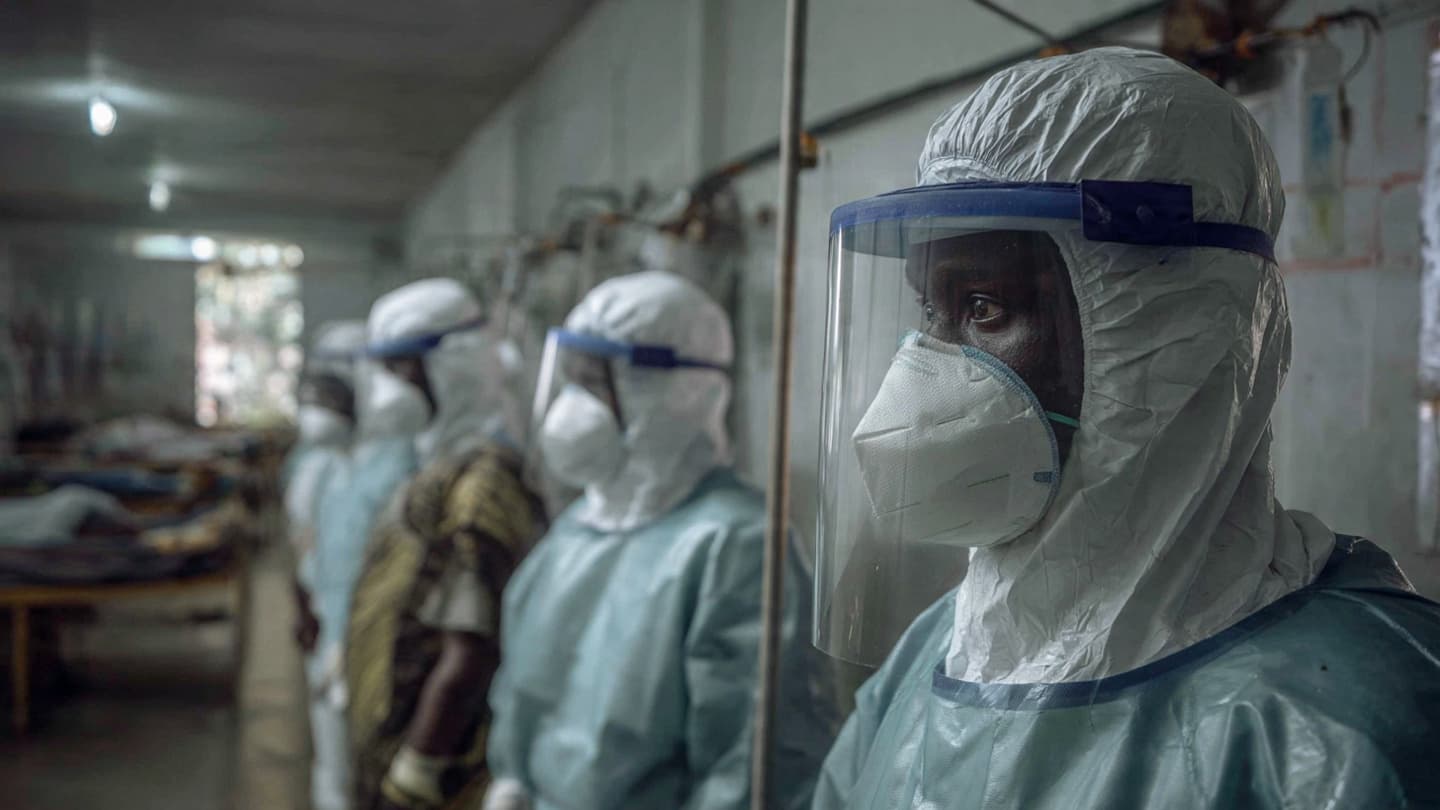
In response to the rising number of cases, healthcare workers are on the front lines, conducting field investigations and providing treatment to those infected. Vaccination campaigns are also underway, targeting individuals deemed at high risk of exposure. However, the outbreak has taken a toll on healthcare personnel, with several frontline workers contracting the virus themselves, underscoring the inherent dangers of their work in such high-risk environments.
Ebola, a severe viral disease, spreads through direct contact with the bodily fluids of infected individuals or contaminated materials. Symptoms can manifest as fever, fatigue, vomiting, and in severe cases, internal bleeding. Rapid identification and treatment of cases are critical to improving survival rates, making timely medical intervention essential.
The WHO has expressed particular concern regarding the pace of new infections, especially in areas where access to healthcare services is severely limited. Geographic challenges, ongoing insecurity, and population displacement complicate the response efforts, making it difficult to reach affected communities effectively. International organizations, including the WHO and various humanitarian agencies, have mobilized additional resources to support local authorities in their fight against the outbreak. These resources include medical supplies, laboratory support, and public awareness campaigns aimed at reducing transmission rates.
Public trust is a crucial element in controlling the outbreak. Health experts emphasize that cooperation between communities and healthcare teams is vital for effective contact tracing and vaccination programs. Building trust within communities can lead to better compliance with health guidelines and increased participation in vaccination efforts, ultimately aiding in the containment of the virus.
While previous Ebola outbreaks in the DRC have been brought under control, health officials caution that sustained vigilance is necessary to prevent further spread. As the situation develops, health authorities continue to urge communities to adhere to preventive measures, reinforcing the importance of collective action in combating this public health crisis.
Published by Banx Network. This article is part of the Banx decentralized media programme, powered by the BXE token on the XRP Ledger.



