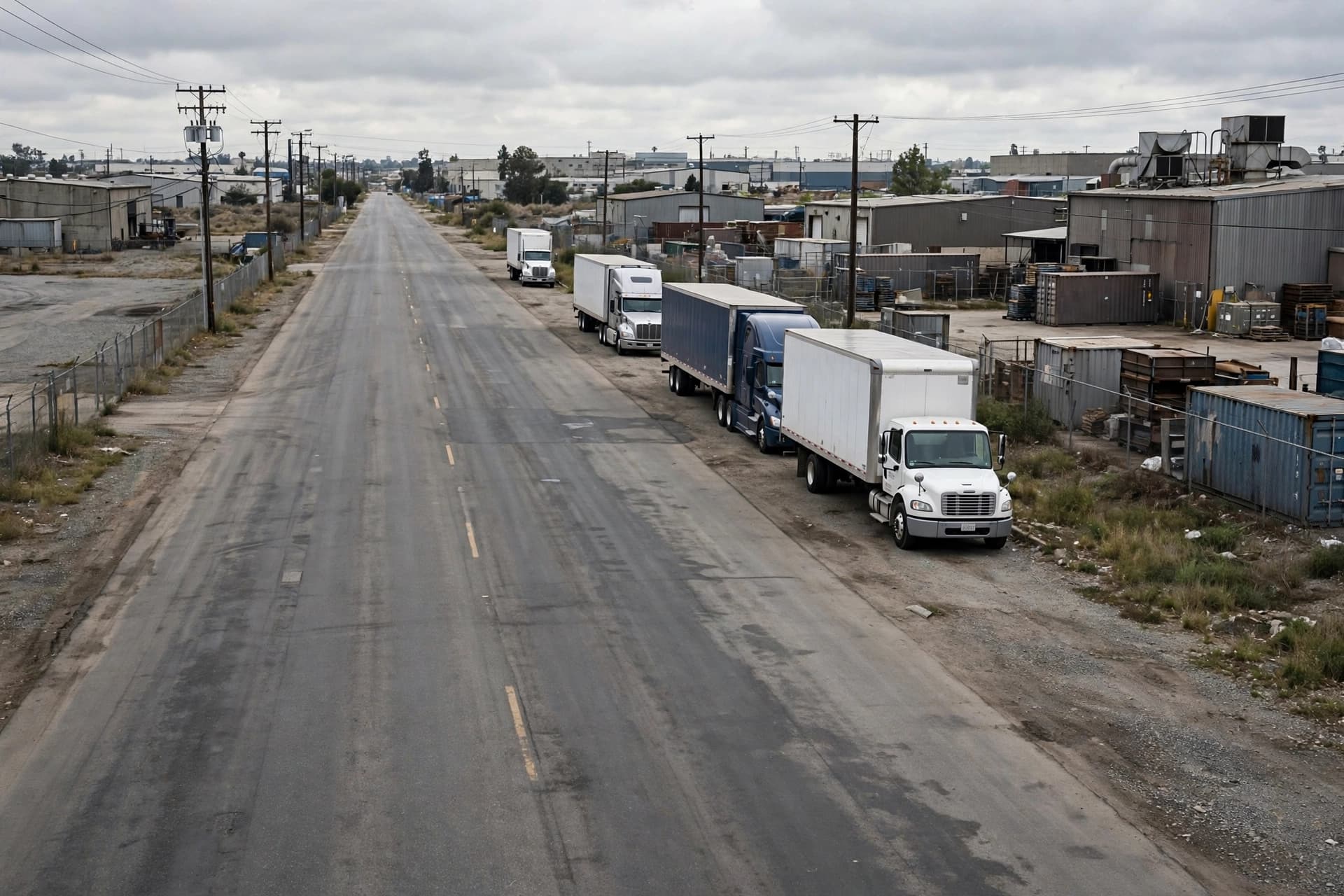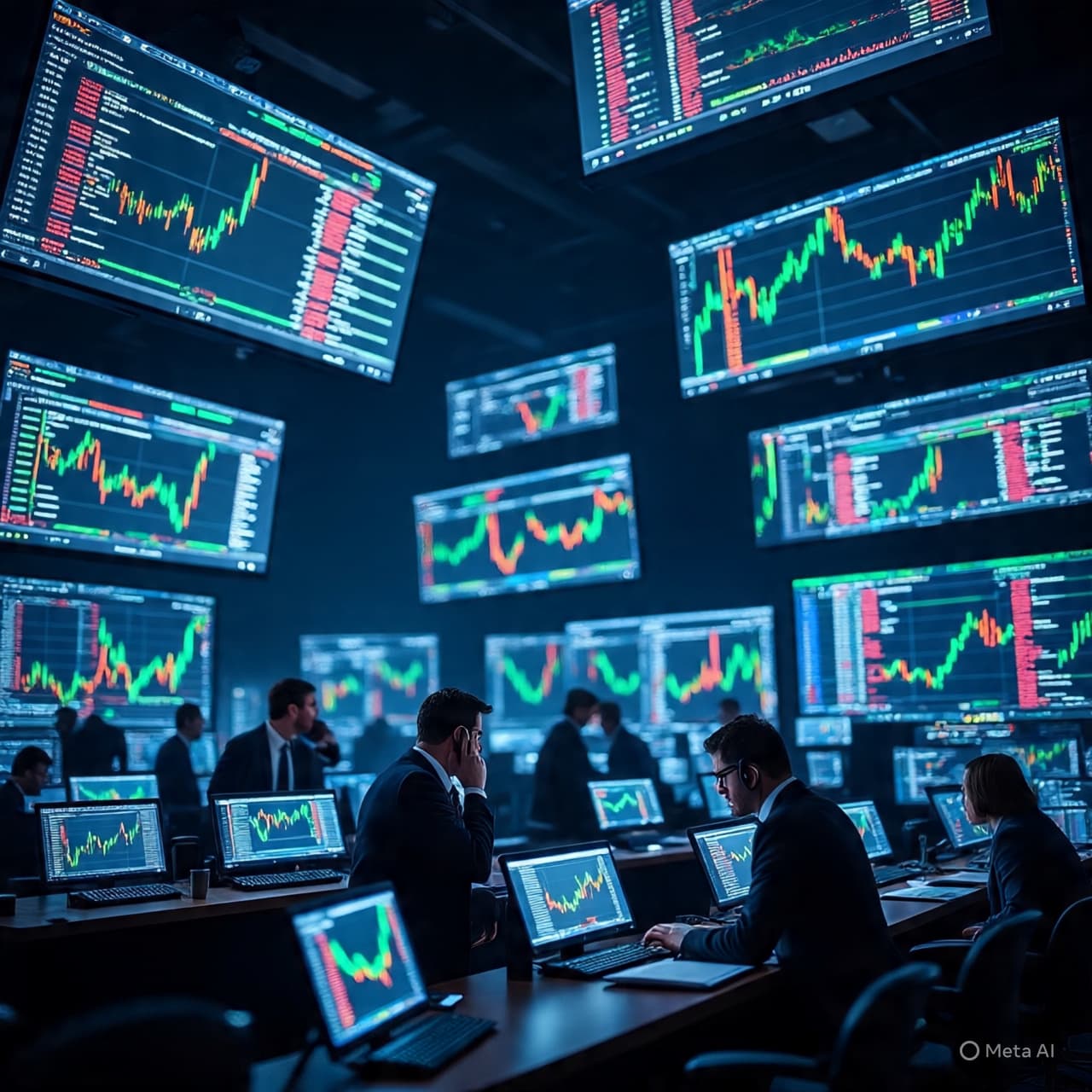
Financial markets rarely move in straight lines. Like tides guided by unseen currents, they advance and retreat in subtle rhythms that reflect the countless forces shaping the global economy. Some days are marked by optimism, others by caution, and occasionally by a quiet pause as investors reconsider the balance between risk and opportunity.
This week brought such a moment of reflection. After showing earlier signs of resilience, global equities gradually slipped back into losses while oil prices continued to climb. The movement was not abrupt or dramatic, but it carried a familiar message: when energy markets shift, the broader financial landscape often follows.
Oil has long played the role of both signal and storyteller in the world economy. Its price reflects far more than the cost of a barrel of crude. It carries hints of geopolitical tension, changes in supply routes, and the steady pulse of industrial demand. When oil moves upward, markets tend to listen carefully.
Recent gains in crude prices have been linked to growing concerns about stability in key energy-producing regions. Traders and analysts are watching developments in the Middle East, where geopolitical tensions have raised questions about potential disruptions to oil flows through major shipping routes. Even the possibility of interruptions along strategic corridors can prompt traders to adjust their expectations quickly.
Against this backdrop, equity markets adopted a more cautious tone. Major stock indexes in several regions edged lower as investors recalibrated their outlook. The dynamic is a familiar one: higher energy prices can support shares of oil producers while placing pressure on industries that rely heavily on fuel.
Transportation companies, manufacturing firms, and consumer-focused businesses often feel the effects most directly. As energy costs rise, operating expenses can follow, potentially narrowing profit margins. For investors, this introduces a layer of uncertainty that can influence trading decisions across multiple sectors.
Energy stocks, by contrast, often benefit when oil prices climb. The result can be a mixed landscape on the trading floor, where gains in one corner of the market are balanced by declines in another. Such contrasts create the quiet push and pull that sometimes leaves broader indexes drifting slightly lower.
Bond and currency markets reflected a similarly cautious mood. Movements in government bond yields suggested that investors were reassessing expectations about inflation and economic growth. Rising energy prices can complicate the outlook for central banks, which continue to navigate the delicate task of balancing price stability with economic expansion.
Yet even in moments of market hesitation, the wider economic picture remains complex. Corporate earnings, interest rate expectations, and global trade patterns continue to influence investor sentiment. Oil prices may shape the tone of a given trading day, but they are only one piece of a much larger puzzle.
For many analysts, the recent market movements represent less a turning point than a pause. Investors appear to be watching events closely, adjusting their positions while waiting for clearer signals about both energy supply and broader economic conditions.
By the end of the trading session, the overall picture was one of modest losses for equities paired with firmer energy prices. It was a quiet shift rather than a dramatic change—yet one that highlighted how closely financial markets remain connected to developments beyond the trading floor.
As the next trading days unfold, investors will likely continue observing the interplay between geopolitics and economic fundamentals. Markets often move forward by absorbing new information step by step, adjusting gradually as the global story evolves.
For now, the latest session stands as a small but telling moment in that ongoing narrative: a reminder that when oil rises, markets often pause to listen.
AI Image Disclaimer Illustrations were produced with AI and serve as conceptual depictions.
Sources Bloomberg Reuters Financial Times CNBC The Wall Street Journal
Published by Banx Network. This article is part of the Banx decentralized media programme, powered by the BXE token on the XRP Ledger.


.jpg&w=3840&q=75 "India Says First Phase of U.S. Trade Deal Is Nearly Done, Seeks Edge Over Rivals")