
Key Highlights
- AI Integration:Autonomous vehicles are increasingly guided by AI.
- Safety and Efficiency:AI aims to reduce human error in transportation.
- Regulatory Challenges:Governments are adapting legal frameworks for autonomous systems.
The evolution of transportation has always been a pivotal force in shaping civilization. From the roads that connect cities to the railways that revolutionize commerce and aviation that bridges continents, each advancement has marked a significant chapter in human progress. Today, we are witnessing another transformative phase in mobility, characterized by the integration of artificial intelligence (AI) into vehicles, fundamentally altering how we navigate our world.
Automotive and technology companies globally are making significant strides in developing autonomous vehicle technologies. As AI-powered transportation systems gain traction, industry analysts highlight this transition as one of the most consequential shifts in modern mobility. The convergence of advanced sensors, cameras, mapping systems, and machine learning algorithms enables vehicles to analyze their surroundings in real time, interpreting traffic conditions, road signs, pedestrian movements, and navigation data continuously.
Proponents of autonomous systems argue that these technologies could enhance transportation efficiency and significantly reduce human error, a leading cause of road accidents. Logistics providers are also exploring the potential of autonomous technologies for freight transportation and delivery operations, indicating a broader application of these innovations beyond personal vehicles.
The development of self-driving systems is a reflection of broader advancements in artificial intelligence and digital infrastructure. High-speed data processing, cloud connectivity, and sophisticated machine learning models have accelerated progress within the transportation sector. However, despite the rapid pace of innovation, experts caution that large-scale adoption will necessitate extensive testing, regulatory frameworks, and infrastructure adaptations. Safety standards remain a central concern in public discussions regarding autonomous mobility technologies.
Governments and regulatory bodies worldwide are currently evaluating legal frameworks that address liability, cybersecurity, and operational safety for autonomous transportation systems. The establishment of these regulations is crucial for fostering public trust, which will play a significant role in determining how quickly these technologies are integrated into everyday transportation.
Cybersecurity has emerged as a pressing concern as vehicles become increasingly connected. Autonomous systems rely heavily on software and communication networks, heightening the need to protect transportation infrastructure from potential cyber threats. Ensuring the security of these systems is paramount to maintaining public confidence in their safety and reliability.
Environmental sustainability is another critical factor influencing the development of autonomous vehicles. Many projects are closely linked to electric mobility initiatives aimed at reducing emissions and enhancing urban transportation efficiency. As the industry evolves, the integration of AI in transportation may lead to a more automated, data-driven, and interconnected future.
Ultimately, as autonomous technologies continue to advance, the core human objective remains unchanged: the pursuit of safer, more efficient, and reliable methods for moving people and goods across the globe. The journey towards a fully autonomous future is complex, but the potential benefits of AI in transportation are vast and transformative.
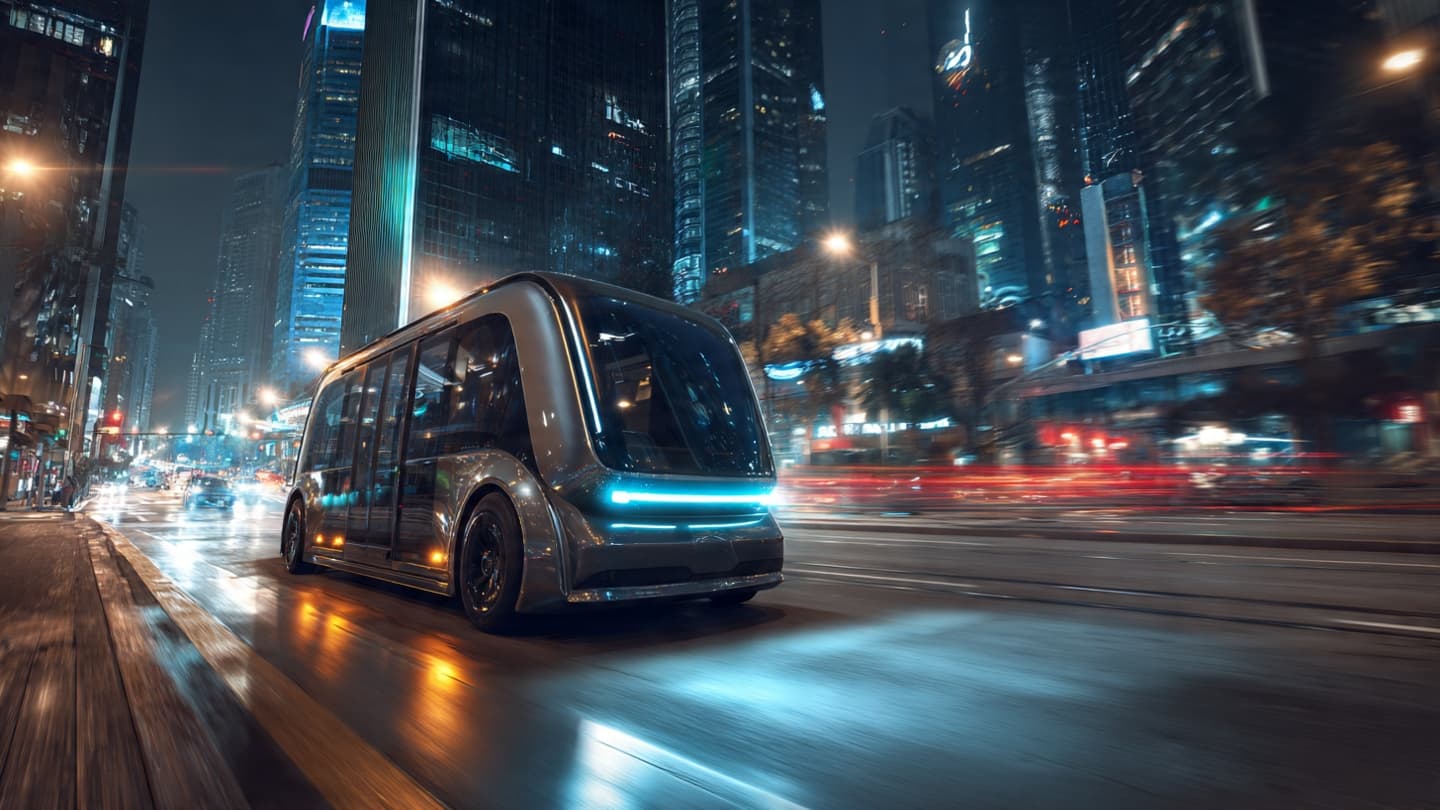
AI Image Disclaimer: Visuals are created with AI tools and are not real photographs.
Published by Banx Network. This article is part of the Banx decentralized media programme, powered by the BXE token on the XRP Ledger.



