The signs of influenza are familiar: a cough moving through a workplace, a fever keeping someone home, or a crowded clinic during a period when respiratory illnesses become more common. In Singapore, rising influenza activity has brought renewed attention to vaccination, particularly for people who face greater risks from complications.
Singapore is encouraging vulnerable groups to receive influenza vaccinations as cases continue to rise. Health authorities and medical professionals have emphasized vaccination as one of the measures that can reduce the risk of severe illness among higher-risk individuals.
Older adults are among those who can benefit from greater protection because influenza can lead to more serious complications as people age. Individuals with certain underlying health conditions may also face increased risks, making prevention an important part of routine healthcare.
Vaccination is not only a personal health decision but can also have effects within families and communities. When vulnerable people have greater protection from infection, the likelihood of severe illness and some forms of transmission can be reduced.
Singapore's healthcare system regularly monitors respiratory illness patterns, allowing medical professionals to respond when activity changes. Influenza seasons can vary in timing and intensity, making continued surveillance important even in a tropical environment where seasonal patterns differ from those seen in temperate countries.
For families, the message is particularly relevant as children return to schools and adults continue moving through offices, public transportation and other shared spaces. Respiratory viruses can spread easily wherever people gather, especially when symptoms are overlooked or mistaken for less serious illnesses.
The importance of vaccination also extends beyond influenza itself. Preventing severe respiratory illness can help reduce pressure on clinics and hospitals, particularly during periods when multiple illnesses circulate at the same time.
Health professionals continue to emphasize that vaccination does not eliminate every possibility of infection. Its principal value lies in reducing the likelihood of severe disease and providing an additional layer of protection for people who may be more vulnerable to complications.
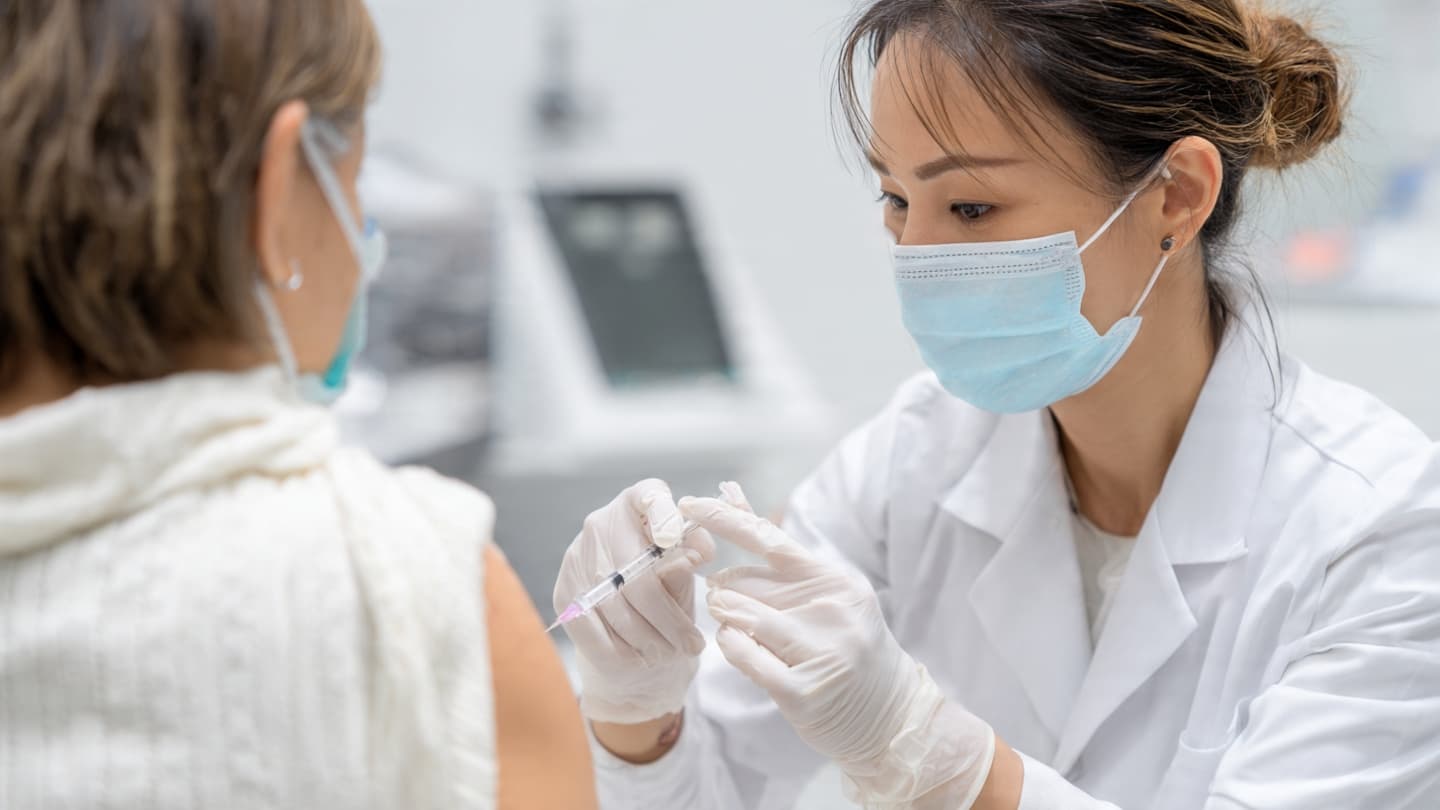
For Singapore, the current rise in influenza activity is another reminder that preventive healthcare often works quietly. A vaccination appointment may seem like a small event in an ordinary week, yet for vulnerable people it can become part of a broader effort to remain healthy while respiratory illnesses continue circulating.
AI IMAGE DISCLAIMER:
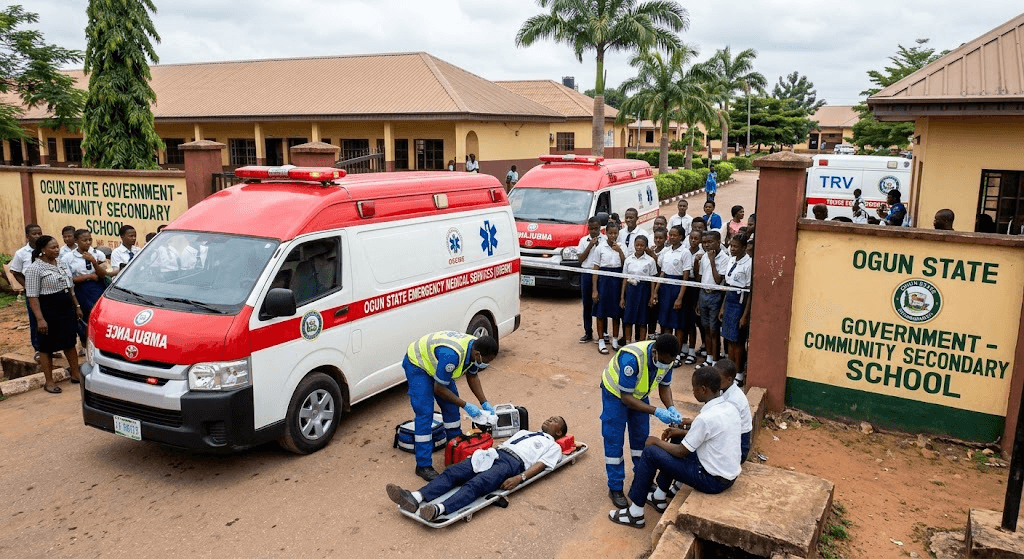
These visuals were generated with AI for illustrative purposes and should not be interpreted as real medical photographs or representations of specific patients.
SOURCES:
The Straits Times
Published by Banx Network. This article is part of the Banx decentralized media programme, powered by the BXE token on the XRP Ledger.