Human exploration has always carried a quiet rhythm: each generation extends its reach slightly farther than the one before. As the Moon gradually returns to the center of international space ambitions, NASA's latest crew announcement offers another chapter in that enduring story.
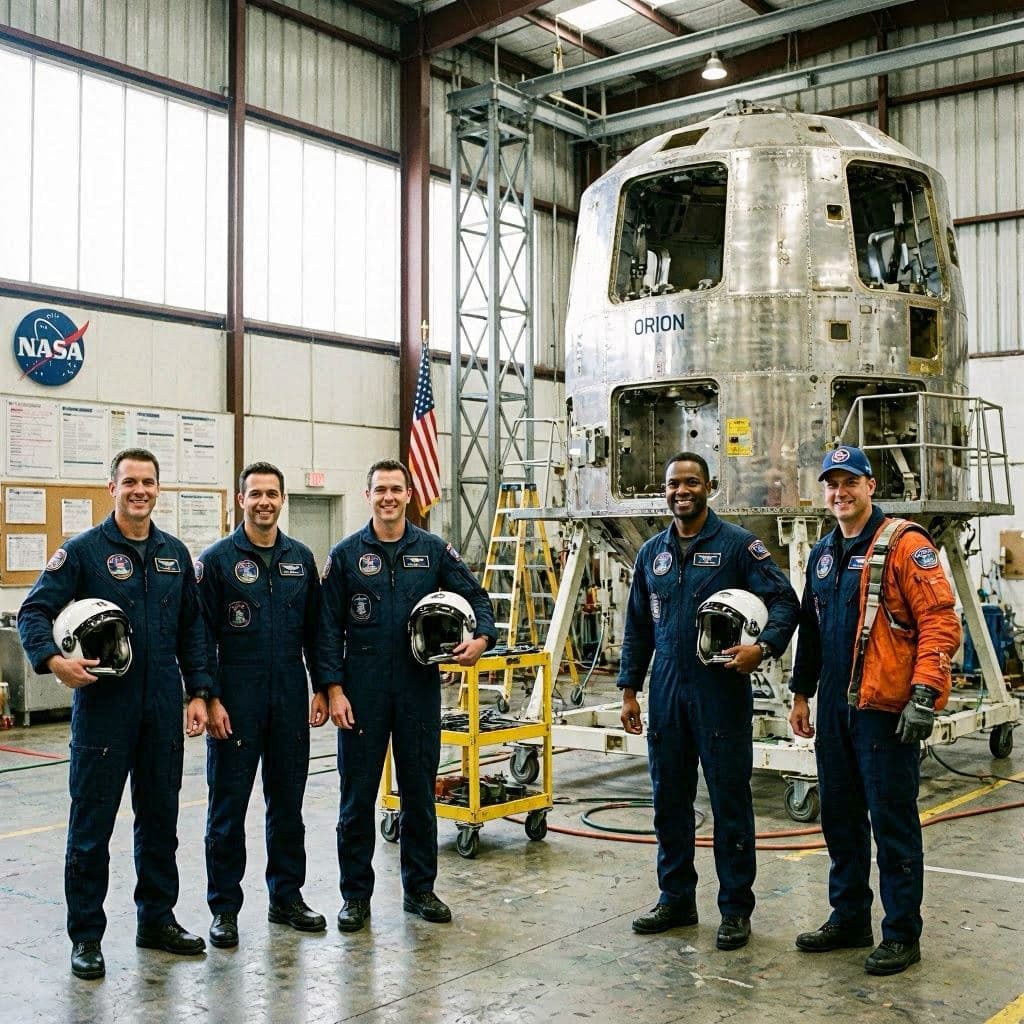
NASA recently introduced the astronaut team selected for an upcoming Artemis mission, continuing preparations for humanity's return to deep-space exploration. The mission will support the broader Artemis program, which aims to establish a sustainable human presence on and around the Moon.
The newly announced crew includes experienced astronauts alongside international partners, reflecting the collaborative nature of modern space exploration. NASA officials emphasized that international cooperation remains central to the program's long-term objectives.
Artemis missions are designed not only to revisit the lunar surface but also to test technologies necessary for future expeditions to Mars. Systems being developed include advanced spacecraft, lunar landers, and life-support infrastructure.
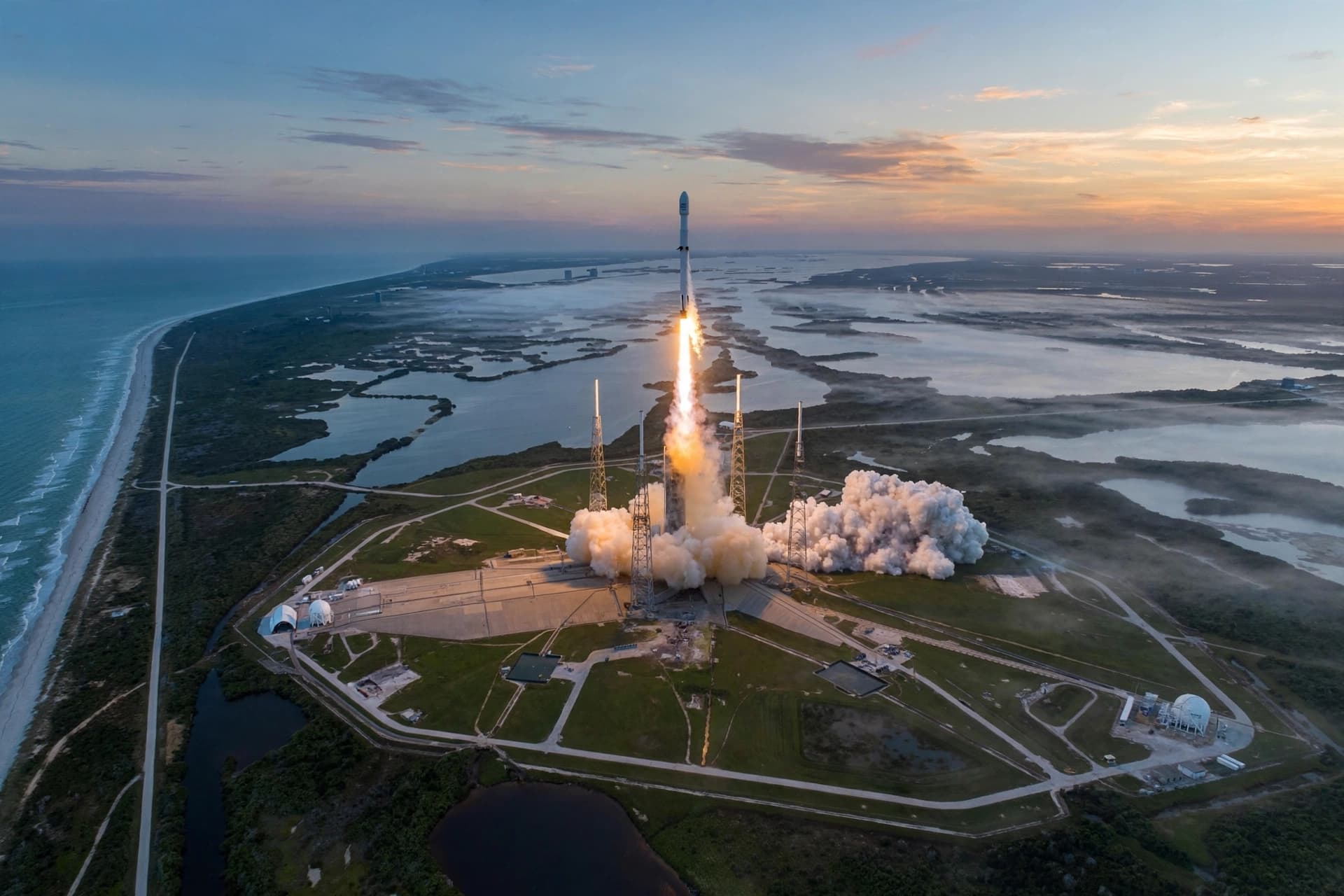
The Artemis architecture relies heavily on the Space Launch System rocket, the Orion spacecraft, and commercial partnerships involving companies such as SpaceX and Blue Origin. Together, these elements are expected to expand operational capabilities beyond low-Earth orbit.
Training for astronauts selected for Artemis missions is extensive and includes spacecraft simulations, emergency procedures, geological studies, and international coordination exercises.
Space agencies around the world continue to monitor the program closely, viewing it as a significant milestone in the evolving landscape of human spaceflight. Scientific objectives include studying lunar resources, geology, and the effects of long-duration missions.
As preparations advance, NASA officials maintain that Artemis represents more than a return to the Moon. It is intended as a foundation for future exploration deeper into the solar system.
AI-generated image disclaimer: The visual illustrations accompanying this article were generated using AI for editorial presentation purposes.
Source Verification Check Sources verified from: NASA, Reuters, Associated Press, ESA
Published by Banx Network. This article is part of the Banx decentralized media programme, powered by the BXE token on the XRP Ledger.