Deep beneath the green canopy of tropical forests, another kind of movement is taking shape—one measured not in kilometers or tons of timber, but in credits, emissions, and financial value. Brazil is looking toward China as a potential buyer of Brazilian carbon credits, opening another chapter in the country’s effort to connect environmental assets with international markets.
Brazilian officials are preparing to discuss the possibility during meetings in Wuhan from September 14 to 18. The talks will involve climate and carbon-market officials and are expected to examine whether China could purchase Internationally Transferred Mitigation Outcomes, known as ITMOs, from Brazil.
The ambition extends beyond a single transaction. Brazil hopes to advance negotiations toward a bilateral carbon-market agreement with China that could potentially be announced around COP31 in November. Such an agreement would give greater structure to cooperation between two large economies with very different but complementary roles in the global climate landscape.
China already operates the world’s largest emissions trading system, while Brazil is still developing its own regulated carbon market. Brazilian legislation approved in 2024 established a framework for a domestic system and opened a path toward international trading, although the government is now considering whether parts of that timetable could be accelerated.
The conversations also reach beyond Brazil and China. A coalition involving Brazil, China, the European Union, and other jurisdictions is working toward greater compatibility between different carbon markets. The group now includes 11 jurisdictions representing roughly 42% of global emissions, according to Brazilian officials.
For Brazil, the attraction is not limited to the environmental accounting itself. Officials see international carbon markets as a possible channel for investment, particularly as the country seeks to connect climate policy with technological development and a broader process of industrial modernization.
There is also a practical challenge in making such a system credible. Carbon credits intended for international markets require reliable measurement, verification, and standards that can be recognized across borders. Brazil’s discussions with China therefore involve not only the possibility of selling credits, but also the architecture needed to make those credits acceptable internationally.
The coming months could show whether this idea develops into a concrete commercial relationship or remains part of a longer negotiation over how countries value emissions reductions. For Brazil, the conversation represents an attempt to place forests, climate policy, finance, and industrial ambition on the same international map, with China increasingly visible on the horizon.
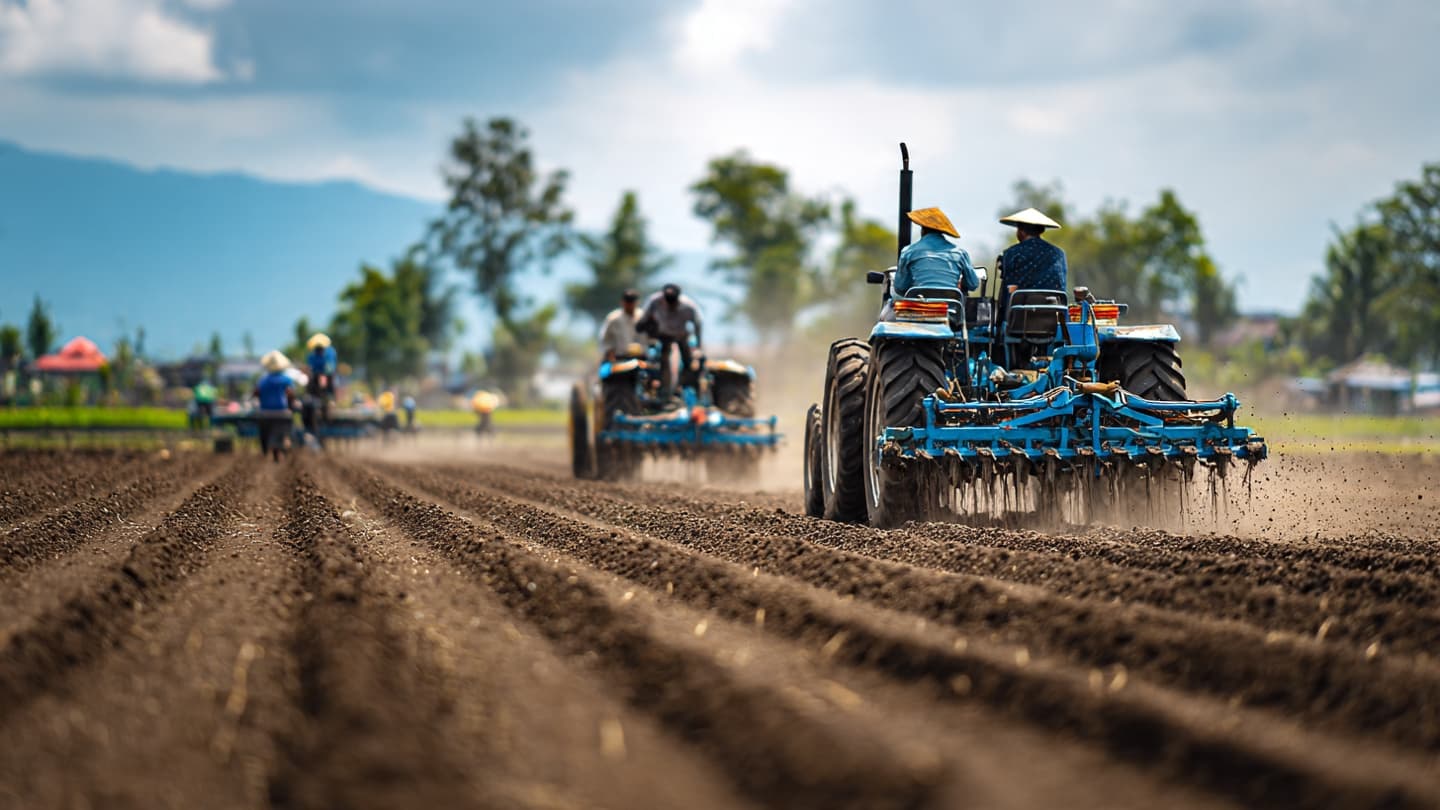
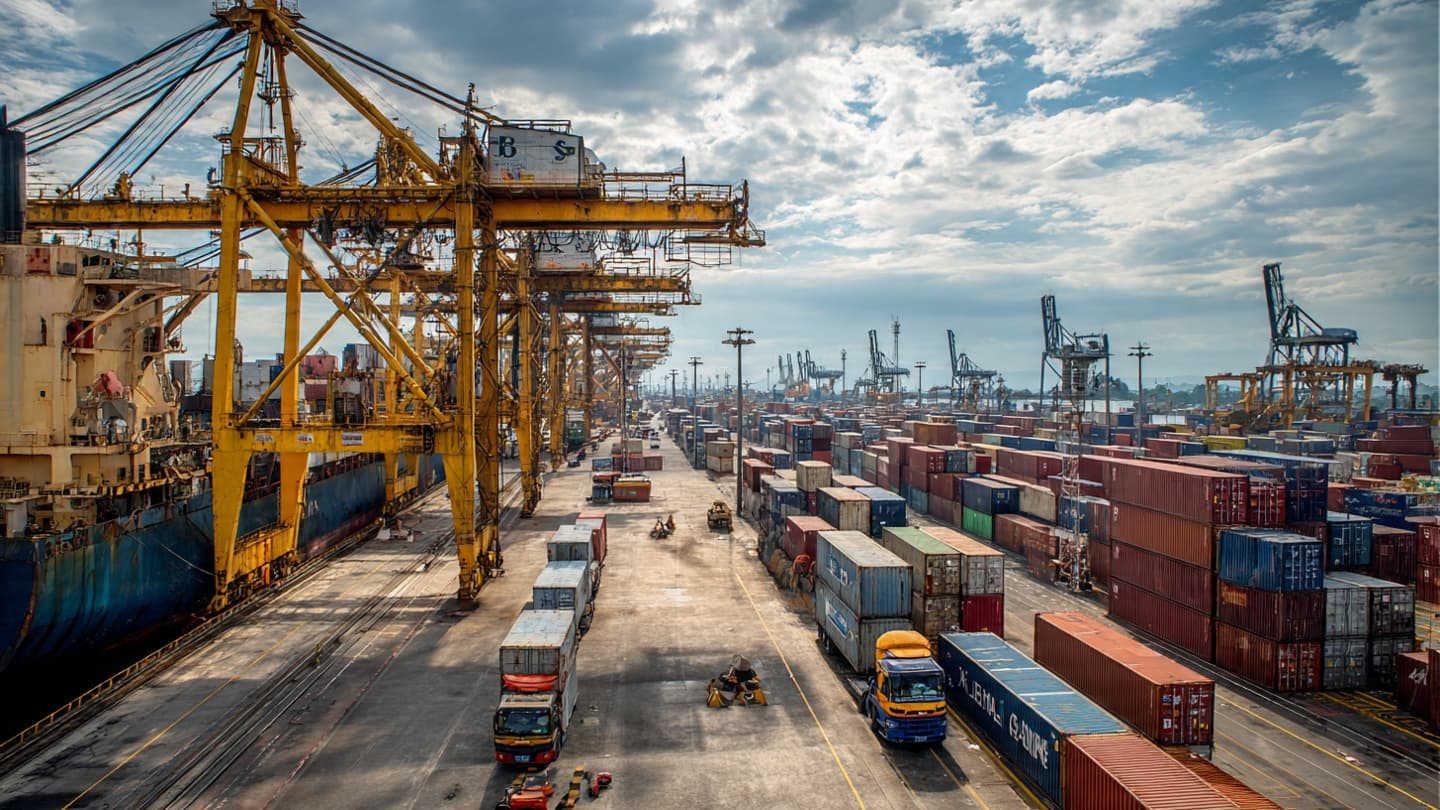
Image Disclaimer: The illustrations are AI-generated conceptual images intended to visually represent the subject and atmosphere of the article; they are not documentary photographs.
Sources: Reuters
SEO Slug: brazil-china-carbon-credits-carbon-market-cop31-2026
Published by Banx Network. This article is part of the Banx decentralized media programme, powered by the BXE token on the XRP Ledger.