
Key Highlights
- Energy supply issues in Sevastopol are altering daily routines.
- Public services and businesses are adapting to conserve resources.
- The conflict's impact on infrastructure is evident in civilian life.
As evening descends earlier in Sevastopol, the rhythm of life in this Crimean city has shifted dramatically. Once bustling streets now echo with a quieter cadence as public transportation, shops, and cafés adjust their hours in response to energy supply challenges. These changes, announced by local authorities, are temporary measures stemming from a complex interplay of war, logistics, and energy shortages.
The backdrop to these adjustments is a broader crisis affecting fuel markets across Russia. Ukrainian drone strikes have targeted oil refineries and critical infrastructure, leading to significant disruptions in production. As a result, fuel supplies have tightened, causing prices to rise and motorists to face restrictions and longer wait times at gas stations. This situation has prompted discussions among Russian officials about potential measures to stabilize domestic fuel supplies, including restricting diesel exports and considering fuel imports.
Historically, Russia has been a powerhouse in energy production, with extensive pipelines and tankers exporting crude oil and refined products globally. However, the current crisis highlights the vulnerabilities within this system. Modern energy infrastructure relies not only on abundant resources but also on the seamless operation of facilities that process and distribute these resources. When disruptions occur, even a major producer like Russia can find itself grappling with unexpected challenges.
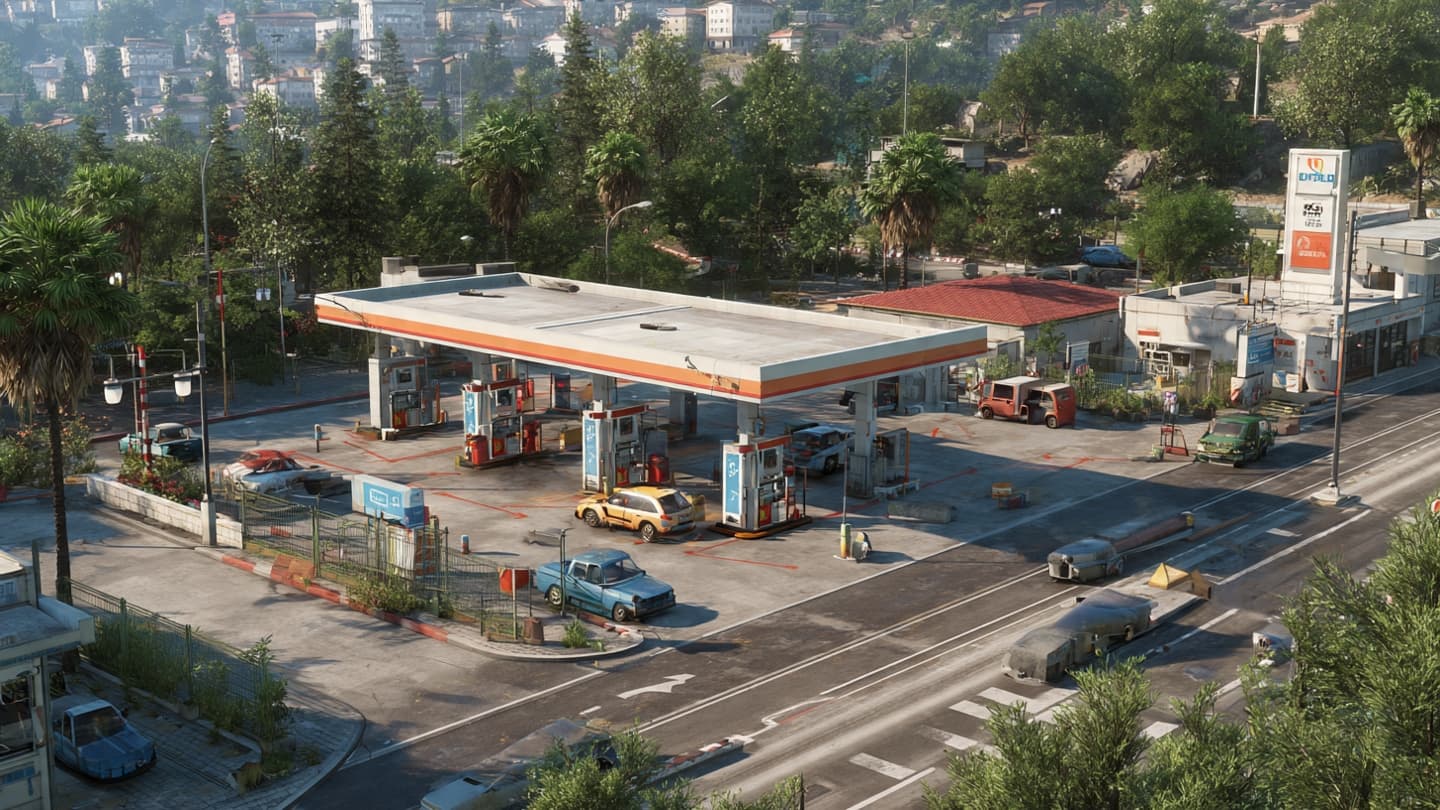
In Crimea, these challenges manifest in everyday life. Fuel sales have been restricted, and public services are adapting to conserve resources. The atmosphere of public life has shifted; streets are darker, public events have been canceled, and the pace of daily activities has slowed. What was once taken for granted—the infrastructure supporting daily routines—has become a focal point of discussion and concern.
Russian President Vladimir Putin has characterized the strikes as attempts to destabilize society, urging officials to respond to the fallout. Conversely, Ukraine asserts that targeting energy facilities aims to undermine logistical and economic support for Russia's military efforts. This tug-of-war of narratives underscores a reality that is increasingly visible: the conflict's reach extends into the fabric of civilian life, affecting those far removed from the front lines.
Industry data reflects the pressure on Russian fuel production, with gasoline output significantly declining and seaborne exports of petroleum products also falling due to refinery disruptions. These effects ripple through supply chains, impacting regions connected by a shared energy network, illustrating how interconnected modern societies are.
As summer progresses along the Black Sea coast, the restrictions in Crimea are part of a broader strategy to manage shortages while authorities seek to stabilize supplies. The dimmed lights of Sevastopol and the altered routines of its residents serve as a poignant reminder that the consequences of war often manifest quietly, influencing daily life in profound ways.
Published by Banx Network. This article is part of the Banx decentralized media programme, powered by the BXE token on the XRP Ledger.



