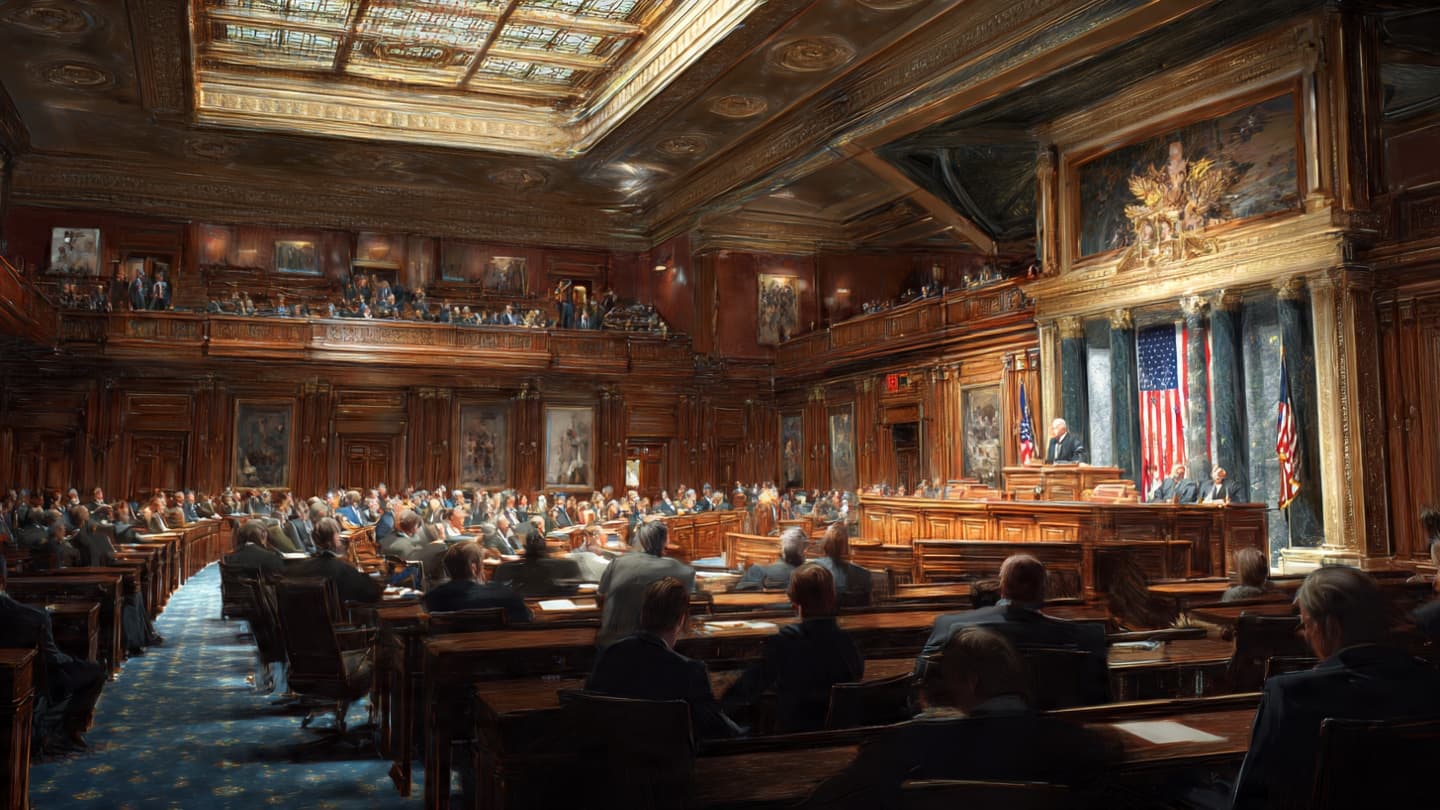
Foreign policy often unfolds through negotiations conducted far from public view. Yet even the most carefully crafted agreements can generate debate about who should participate in the decision-making process. In Washington, that discussion has intensified as Senate Republicans seek a greater role in evaluating a potential agreement involving the Trump administration and Iran.
Lawmakers argue that Congress has an important responsibility in matters affecting national security and international commitments. Many senators believe major diplomatic agreements should receive legislative scrutiny to ensure transparency and accountability.
Supporters of congressional involvement point to the constitutional framework that distributes authority among branches of government. They contend that oversight strengthens public confidence and provides opportunities for broader policy discussion.
The debate reflects longstanding tensions regarding the balance between executive authority and legislative oversight in foreign affairs. Successive administrations from both political parties have faced questions concerning the extent of presidential power in negotiating international agreements.
Republican senators have emphasized the strategic significance of any arrangement involving Iran. Issues related to regional security, nuclear activities, sanctions, and diplomatic commitments remain central concerns for policymakers across Washington.
Administration officials have defended ongoing negotiations, arguing that diplomatic flexibility can be essential when addressing complex international challenges. They maintain that effective diplomacy often requires timely engagement and the ability to respond to changing circumstances.
Political analysts note that disagreements over process do not necessarily indicate opposition to diplomacy itself. In many cases, lawmakers focus on ensuring that agreements receive sufficient review and public discussion before implementation.
International observers are also monitoring developments closely. Allies and partners often pay attention not only to the substance of agreements but also to the domestic political support behind them. Strong institutional backing can influence perceptions regarding long-term reliability.
As negotiations continue, the conversation in Washington is likely to remain active. Both supporters and critics of congressional involvement emphasize the importance of protecting national interests while maintaining effective governance.
For now, Senate Republicans are pressing for a more direct role in evaluating the potential agreement. The outcome of that effort may shape not only the future of U.S.-Iran diplomacy but also broader discussions regarding the relationship between Congress and the executive branch in foreign policy matters.
AI IMAGE DISCLAIMER Illustrations were produced with AI and serve as conceptual depictions.
SOURCES Reuters Associated Press Politico The Hill CNN
Published by Banx Network. This article is part of the Banx decentralized media programme, powered by the BXE token on the XRP Ledger.