The morning light stretches across asphalt and glass, catching the hum of trucks idling at depots and the shimmer of real estate towers reflecting the day’s first warmth. There is a subtle tension here, a feeling that the rhythm of commerce is under a quiet recalibration. Machines that promise to accelerate tasks, to optimize and predict, are met with a shadow of hesitation, a pause born of uncertainty.
In recent days, sectors such as trucking, logistics, and commercial real estate have begun to reflect this unease. Investors and companies alike are rethinking strategies, as the growing capabilities of artificial intelligence suggest both opportunity and disruption. Trucking fleets face projections that autonomous navigation and predictive logistics may change operational models; logistics hubs ponder how AI-driven routing and warehouse automation could reshape labor needs; commercial real estate brokers and investors watch as algorithmic decision-making begins influencing valuations and tenant behaviors.
The effects ripple outward, touching not only balance sheets but the daily flow of work. For truck drivers, this means a landscape in which delivery routes might shift or consolidate. For warehouse employees, new tools and robotics offer both efficiency and adjustment. For property managers and investors, AI-driven predictive insights are increasingly part of decision-making processes, subtly altering the pace of leasing, development, and asset management.
There is no singular storm here, no abrupt upheaval; rather, the change is incremental, a quiet reshaping of expectations and practices. In offices, dispatch centers, and conference rooms, the hum of discussion over new AI systems carries a reflective weight. People consider not only productivity gains but also the human rhythms of labor, oversight, and adaptation. In this slow-motion recalibration, industries are learning to balance promise with caution, novelty with experience.
In clear terms: industries including trucking, logistics, and commercial real estate are currently experiencing shifts as AI adoption grows. Companies are examining operational models, predictive tools, and labor implications. Investor sentiment is adjusting, reflecting concerns and optimism around AI-driven efficiencies and risks. These changes are gradual, ongoing, and increasingly part of strategic planning in affected sectors.
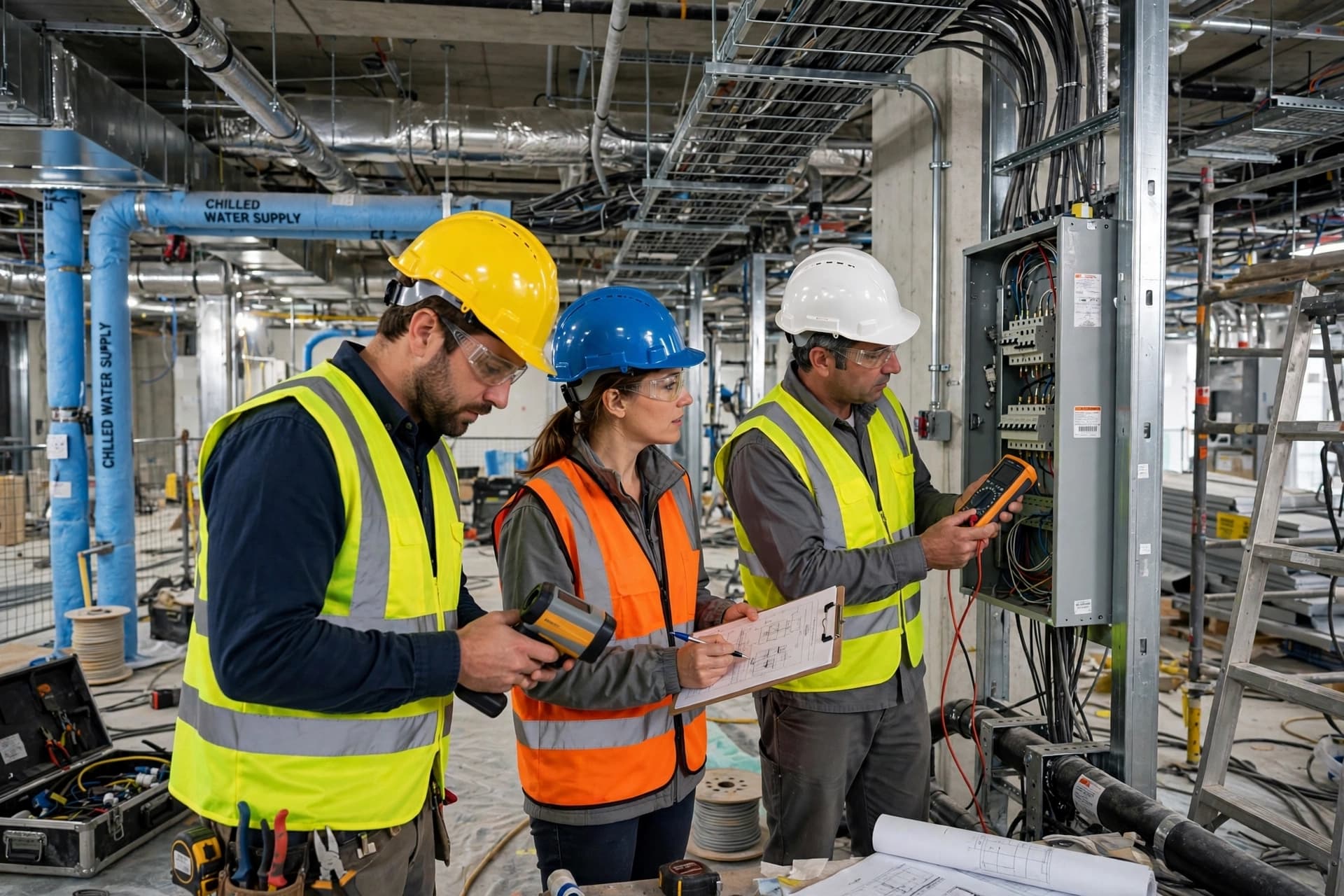
AI Image Disclaimer Illustrations were created using AI tools and are not real photographs.
Sources (Media Names Only) CNBC The Wall Street Journal Financial Times Reuters Bloomberg
Published by Banx Network. This article is part of the Banx decentralized media programme, powered by the BXE token on the XRP Ledger.