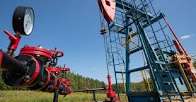
Before dawn in West Texas, the pumpjacks move with their familiar rhythm, bowing toward the earth and lifting again, as though nothing in the wider world has changed. The horizon remains flat and pale, the air dry, the machinery steady. Yet beyond these fields, in offices lit by screens and conference calls that stretch across time zones, there is a quickening—an awareness that the price of oil has leapt, and that such moments seldom linger.
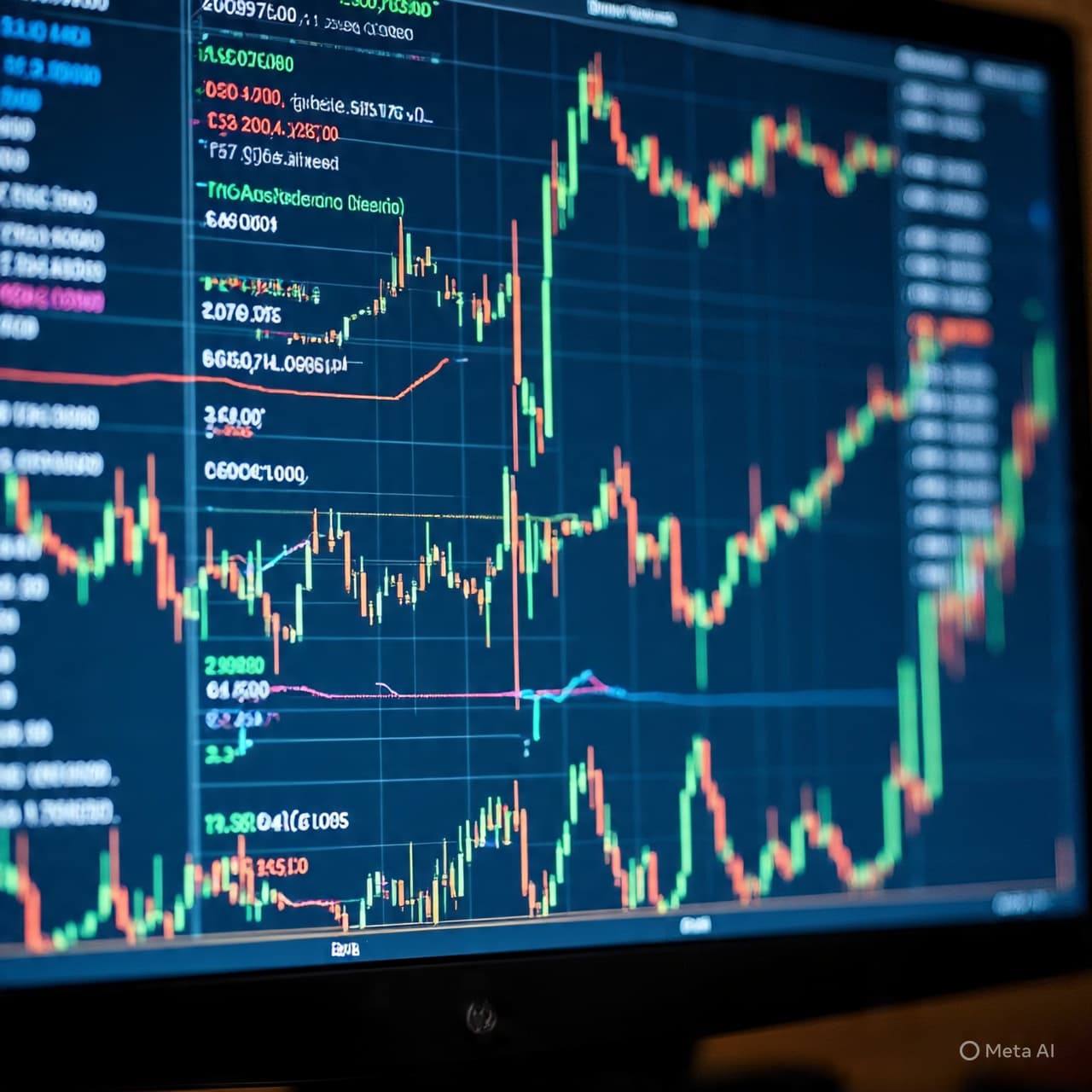
A recent spike in U.S. crude prices has prompted both investors and domestic producers to act with unusual speed. Futures contracts have climbed sharply amid geopolitical tensions and concerns over supply disruptions, pushing benchmark prices to levels not seen in months. For companies whose revenues hinge on each incremental dollar per barrel, the movement is more than abstract—it reshapes cash flow projections, drilling plans, and hedging strategies almost overnight.
Producers, particularly independent shale operators, are seeking to lock in elevated prices through hedging contracts, selling future production at today’s higher levels. By doing so, they aim to secure margins and shield themselves from the possibility that the surge may fade as quickly as it arrived. In the language of finance, it is a way of turning volatility into certainty, or at least into something more predictable.
Investors, too, have shifted their posture. Energy stocks have drawn renewed attention as crude prices climbed, and trading volumes in oil-linked exchange-traded funds have increased. Some portfolio managers view the rally as an opportunity to capture short-term gains; others see it as a hedge against broader inflationary pressures. In both cases, the rise in crude has rekindled interest in a sector that only recently faced skepticism amid lower prices and energy transition debates.
The drivers behind the spike are layered. Reports of supply constraints, tensions in key producing regions, and seasonal demand shifts have converged to tighten the market’s outlook. Analysts note that even modest disruptions can amplify price movements when inventories are already lean. In such conditions, sentiment travels swiftly, carried by headlines and algorithmic trades as much as by physical barrels.
For U.S. crude producers, the calculus is shaped by experience. The shale boom of the past decade was marked by cycles of exuberant expansion followed by painful retrenchment. Companies that once pursued aggressive output growth have in recent years emphasized capital discipline, returning cash to shareholders rather than chasing volume at any cost. Locking in higher prices through derivatives aligns with that more cautious philosophy, prioritizing stability over speculation.
Yet the oil market has always been a conversation between immediacy and endurance. A spike reflects the present—today’s fears, today’s constraints—while investment decisions stretch years into the future. Drilling a new well, expanding pipeline capacity, or committing to infrastructure requires confidence that elevated prices will persist long enough to justify the expense.
As the rally unfolds, analysts are watching whether producers will significantly increase output or remain measured. Thus far, many companies have signaled restraint, suggesting that shareholder returns and balance-sheet strength remain central goals. Investors, meanwhile, are weighing whether the current surge marks the start of a sustained uptrend or a temporary crest in an otherwise volatile year.
U.S. crude prices recently climbed sharply amid geopolitical and supply concerns, prompting producers to hedge future output and investors to increase exposure to energy assets. Companies are seeking to secure higher margins while monitoring whether the price surge proves durable.
AI Image Disclaimer
Illustrations were created using AI tools and serve as conceptual representations.
Source Check (Media Names Only) Reuters Bloomberg The Wall Street Journal Financial Times CNBC
Published by Banx Network. This article is part of the Banx decentralized media programme, powered by the BXE token on the XRP Ledger.