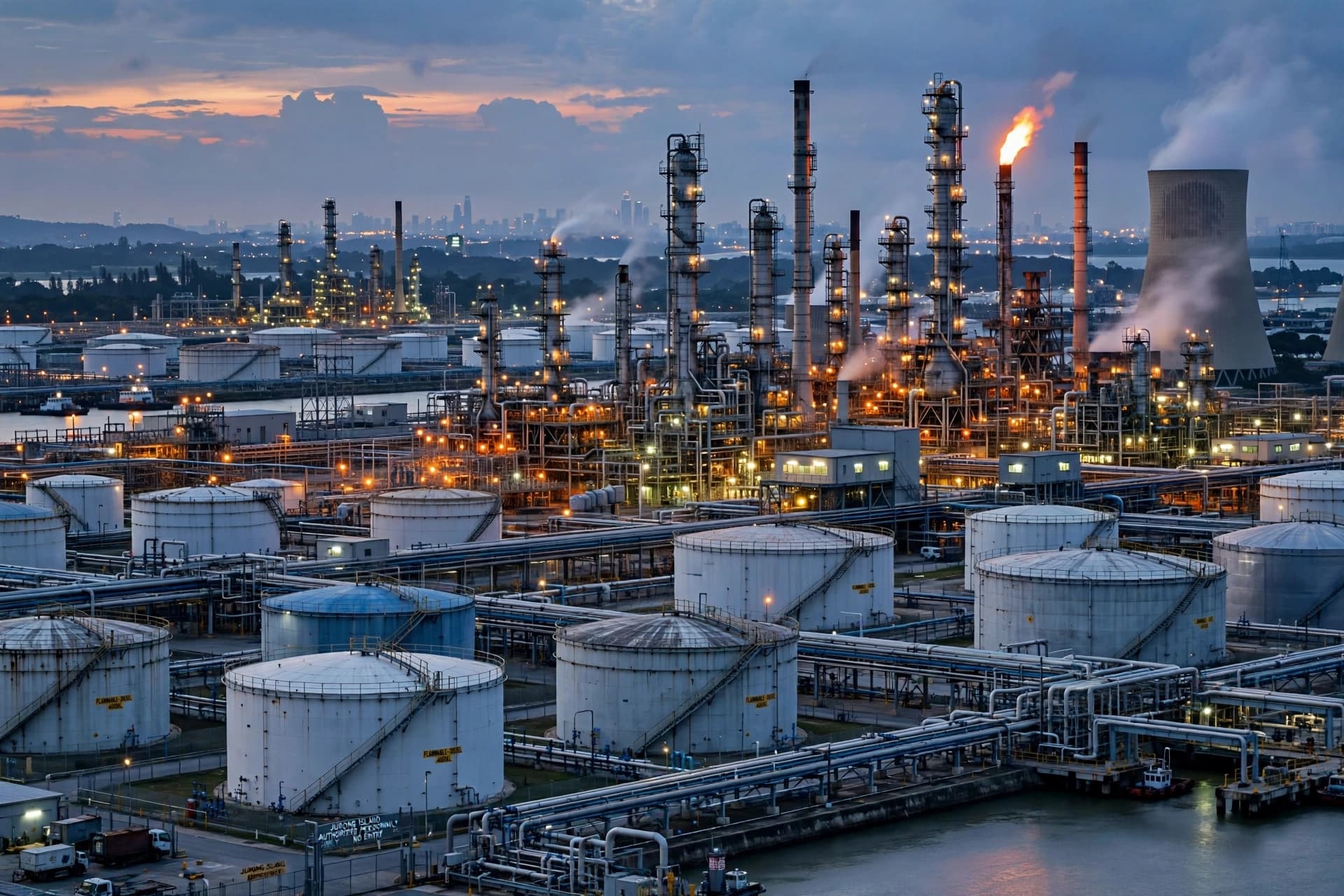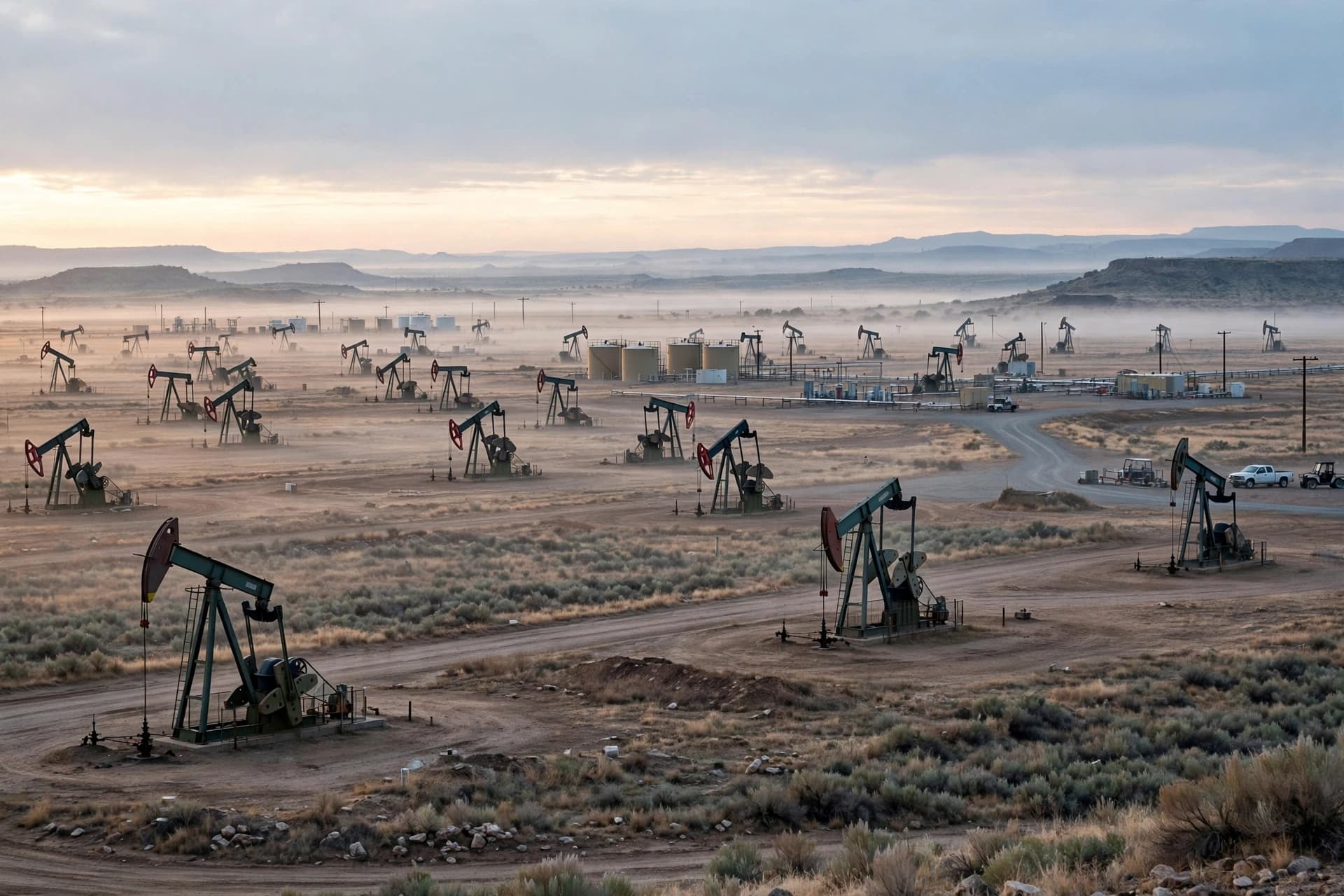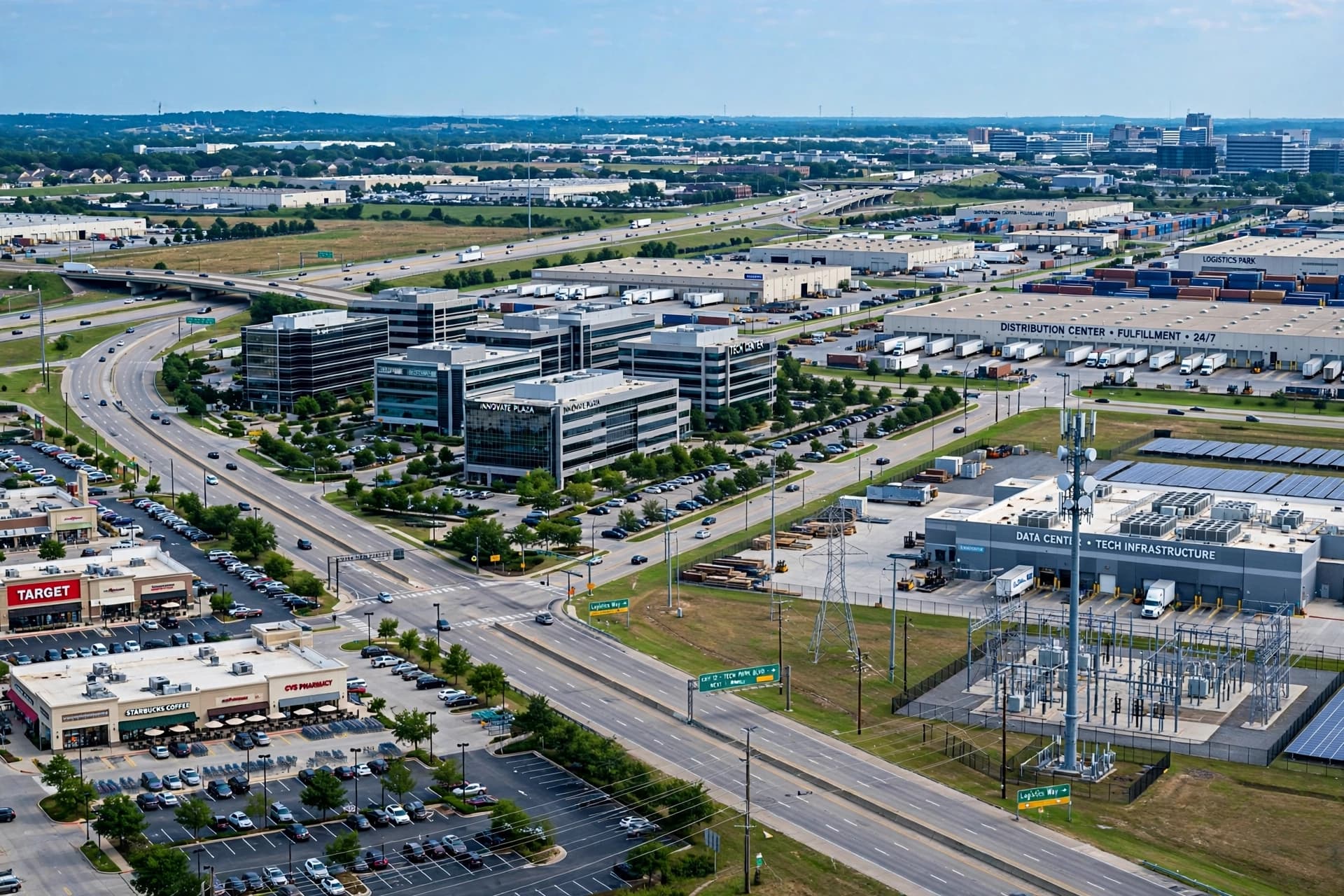
An economy can sometimes appear stronger or weaker depending on which window is being opened. One window looks toward factories and trade figures; another looks toward households, stores and businesses making investments for the future.
In the United States, the second quarter of 2026 offered both sides of that picture. Economic growth slowed, but domestic demand remained comparatively strong as consumers continued spending and companies invested heavily in artificial intelligence infrastructure.
The Commerce Department reported that U.S. gross domestic product increased at a 1.5% annualized rate in the second quarter. That was slower than the 2.1% pace recorded in the first quarter and below the 2.1% forecast in a Reuters economist poll.
One important reason for the slowdown was the widening trade deficit. Imports increased strongly, subtracting from the headline growth figure even as activity inside the domestic economy remained more resilient.
Consumer spending provided an important counterweight. Household consumption, which represents more than two-thirds of U.S. economic activity, accelerated during the quarter after growing more slowly in the first three months of the year. Reuters reported that consumer spending rose at a 3.2% annualized pace in the second quarter.
Business investment added another layer. Companies continued purchasing equipment and expanding infrastructure connected to artificial intelligence. Investment in AI-related equipment has become an increasingly visible part of the American economic landscape, linking technology spending with construction, energy demand, semiconductor production and data-center development.
That connection is important because the AI boom is not limited to software companies. Building large-scale computing infrastructure requires physical equipment, electricity, networking systems and specialized chips. Each investment therefore moves through several layers of the economy before appearing as a completed digital service.
Earlier government data also showed that the American economy continued to face inflation pressure. Reuters reported in August that annual consumer inflation remained above the Federal Reserve's 2% target, while business investment in AI continued to support activity.
For households, however, stronger spending does not necessarily mean that economic conditions feel uniformly comfortable. Higher energy prices and the cost of everyday goods can affect purchasing decisions even when aggregate consumer spending remains relatively strong.
Businesses face a similar balance. Investment can create new productive capacity and support future growth, but higher borrowing costs and uncertain market conditions can make large projects more difficult to finance. The decision to build a new facility or expand equipment is therefore closely tied to expectations about future demand.
The American economy is consequently moving through a period in which traditional consumption and newer technology investment are developing side by side. Shopping centers, logistics networks, factories and data centers all form different parts of the same economic system.
The coming quarters will show whether consumer demand can remain durable while businesses continue investing in technology and productive capacity. For now, the data present a mixed but detailed picture: slower headline growth, stronger domestic demand and an increasingly important role for AI-related investment in the structure of the U.S. economy.
Image Disclaimer:
Visuals are AI-generated conceptual illustrations and should not be interpreted as photographs of specific U.S. economic events.
Sources:
Reuters U.S. Bureau of Economic Analysis U.S. Department of Commerce Federal Reserve S&P Global
Published by Banx Network. This article is part of the Banx decentralized media programme, powered by the BXE token on the XRP Ledger.