
Key Highlights
- Ongoing Conflict:Sudan's humanitarian crisis worsens as fighting persists.
- Displacement Crisis:Millions are forced to flee their homes amid violence.
- Urgent Aid Needed:International organizations call for increased support.
The humanitarian crisis in Sudan has escalated dramatically as conflict between rival military factions continues to ravage the country. Since hostilities intensified in April 2023, the situation has become increasingly dire, with millions of civilians caught in the crossfire and facing severe shortages of food, medicine, and clean water. The ongoing violence has not only displaced individuals within Sudan but has also led to a significant refugee crisis in neighboring countries.
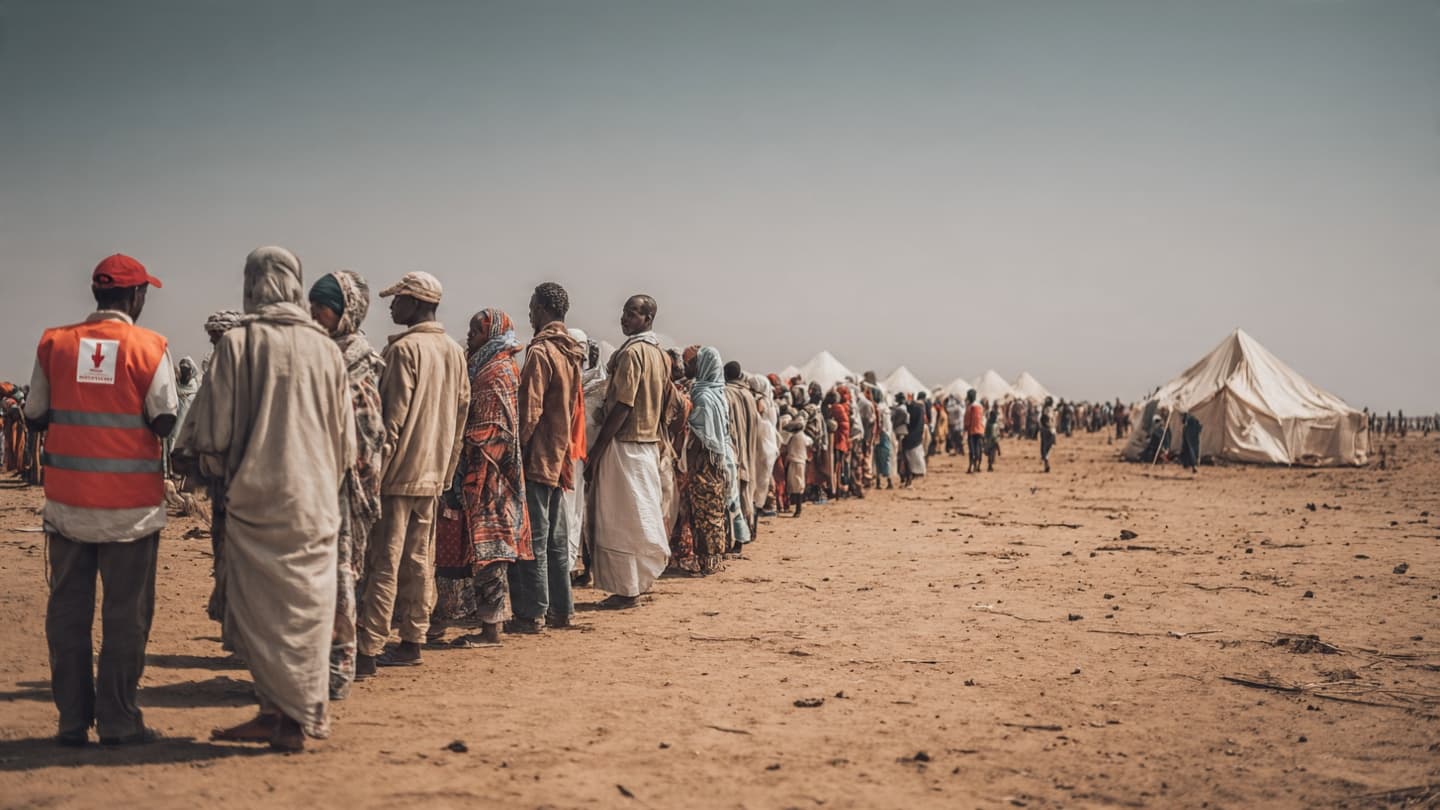
Major urban centers, including Khartoum and regions in Darfur, have been heavily impacted by the fighting. Reports indicate that the conflict has created one of the largest displacement crises in the world, with millions fleeing their homes in search of safety. As families seek refuge in neighboring countries such as Egypt, Chad, and South Sudan, border facilities are becoming overwhelmed, struggling to accommodate the influx of refugees.
According to the United Nations, the number of Sudanese requiring urgent humanitarian assistance has reached alarming levels. Relief organizations have issued repeated calls for increased international funding, highlighting that current resources are insufficient to meet the escalating needs of those affected by the conflict. The situation is compounded by restricted humanitarian access in many areas, making it challenging for aid workers to deliver essential services to vulnerable populations.
Human rights organizations have documented numerous allegations of abuses occurring during the conflict, raising concerns about the protection of civilians and adherence to international humanitarian law. The international community has been urged to hold accountable those responsible for these violations and to ensure the safety of civilians caught in the violence.
Diplomatic efforts aimed at achieving a ceasefire and fostering negotiations have been ongoing, led by regional organizations, the United States, and Saudi Arabia. However, progress has been limited, with sporadic fighting continuing despite multiple mediation attempts. The lack of a stable resolution has left many in Sudan in a state of uncertainty and fear.
Humanitarian workers on the ground report facing immense challenges in their efforts to provide aid. Damaged infrastructure, ongoing insecurity, and logistical hurdles have made it increasingly difficult to reach those in need, particularly in remote areas. As the conflict drags on, international agencies emphasize the necessity of sustained diplomatic engagement and humanitarian support to prevent further deterioration of the situation and alleviate the suffering of civilians.
The situation in Sudan remains critical, and the need for urgent action is more pressing than ever. Without increased international attention and resources, the humanitarian crisis is likely to deepen further, leaving millions of lives hanging in the balance.
Published by Banx Network. This article is part of the Banx decentralized media programme, powered by the BXE token on the XRP Ledger.



