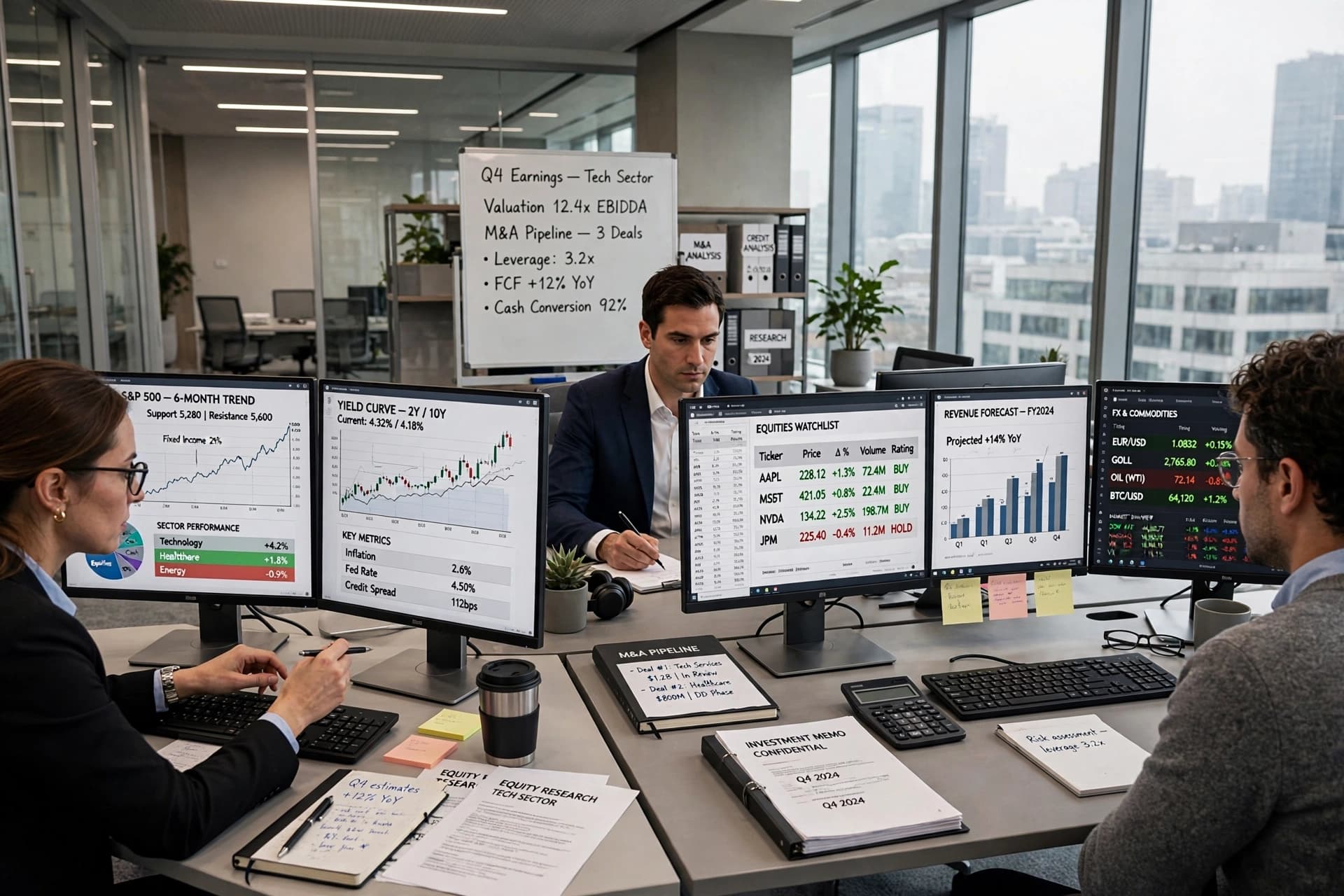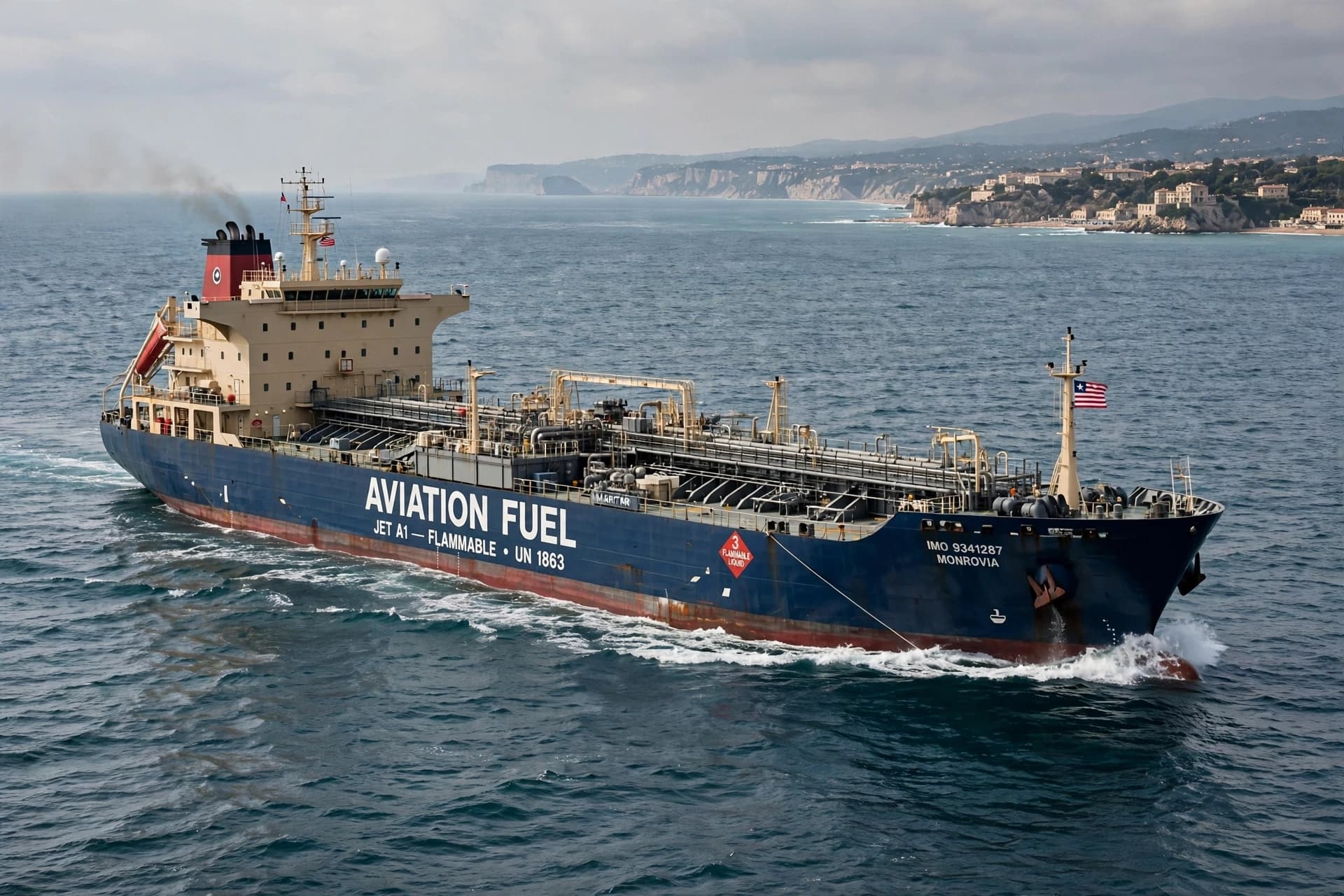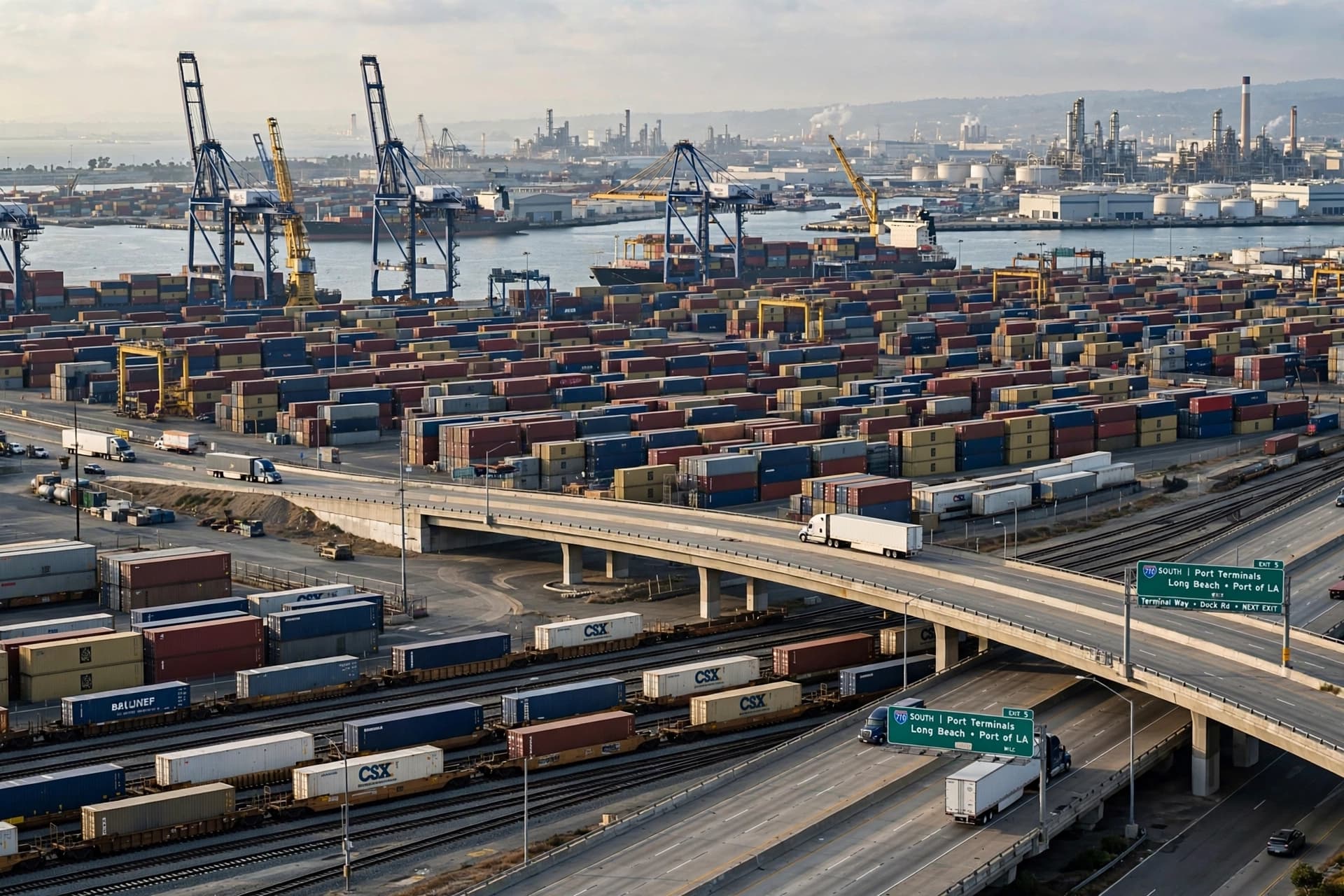
American businesses have been navigating such changes as interest rates and financial-market expectations continue to influence lending conditions. Companies deciding whether to borrow must consider not only how much money they need, but also how much that money will cost over time.
For banks, the process involves another calculation. Lending requires evaluating the financial strength of borrowers, the condition of the economy and the possibility that changing market conditions could affect repayment.
Large companies often have access to multiple sources of financing, including corporate bonds, bank loans and equity markets. Smaller businesses can have fewer alternatives, making local banking relationships particularly important when credit conditions tighten.
The cost of borrowing can also influence corporate investment decisions. A company considering a new factory may compare the expected return from that investment with the interest expense associated with financing it.
When borrowing becomes more expensive, some projects can be delayed or reduced in scale. When financing conditions become more favorable, companies may have greater room to invest in equipment, technology, property or expansion.
Credit markets also connect businesses with investors. When companies issue bonds, investors provide capital in exchange for interest payments and the eventual return of principal. The price investors demand depends partly on their assessment of interest rates and credit risk.
The relationship between banks, businesses and investors therefore forms a broad financial network. Money moves toward companies that need capital, while lenders and investors continuously reassess the risks and potential returns associated with those decisions.
For the wider economy, credit conditions can influence employment and production indirectly. A company that secures financing may expand its workforce or purchase new equipment, while a company facing restrictive financing conditions may choose to preserve cash instead.
The process is rarely immediate. Financial decisions made today can influence business activity months or years later, particularly when large infrastructure or manufacturing projects are involved.
American credit markets therefore remain one of the quieter mechanisms behind economic activity. Interest rates may appear as abstract numbers on financial screens, but behind those figures are companies deciding whether to build, hire, invest or wait. The movement of credit is ultimately another way of observing how businesses interpret the economic road ahead.
IMAGE DISCLAIMER
These illustrations are AI-generated conceptual representations and are not photographs of actual financial transactions.
SOURCES
Reuters Federal Reserve U.S. Treasury Federal Deposit Insurance Corporation
Published by Banx Network. This article is part of the Banx decentralized media programme, powered by the BXE token on the XRP Ledger.