
Key Highlights
- Mark Carney's visit to India marks a renewed dialogue between the two nations.
- Both countries are set to discuss a potential free trade agreement.
- The agenda includes cooperation in renewable energy, education, and technology.
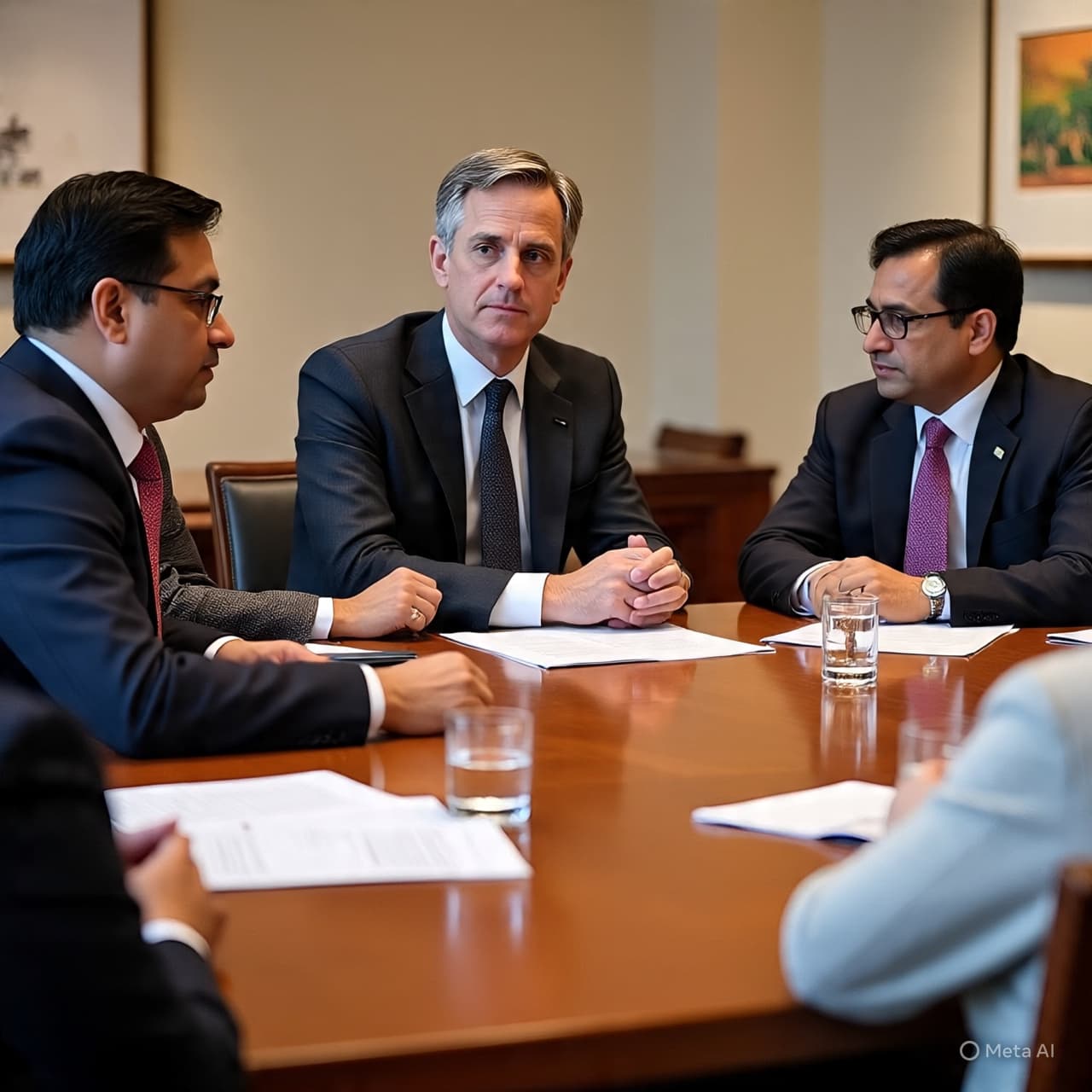
Prime Minister Mark Carney's arrival in New Delhi heralds a new chapter in Canada-India relations, as both nations prepare to engage in formal discussions aimed at establishing a free trade agreement. This visit comes at a time when global interdependence is increasingly vital, and both countries recognize the need to strengthen their economic ties.
India's trade minister expressed cautious optimism regarding the upcoming negotiations, emphasizing the importance of aligning the interests of both economies. The potential for a free trade agreement is not merely a matter of economic statistics; it symbolizes a broader commitment to collaboration and mutual growth. As India continues to evolve from a textile-based economy to a technology-driven powerhouse, the partnership with Canada could provide significant benefits for both sides.
For Canada, the opportunity to diversify its trade relationships is crucial. With a growing population and a dynamic economy, India represents a market ripe for exploration. Carney's visit underscores Canada's intent to engage with emerging markets, moving beyond its traditional trading partners. This shift is particularly relevant as Canada seeks to bolster its economic resilience in an unpredictable global landscape.
The discussions during Carney's visit will extend beyond trade tariffs and quotas. They will encompass vital areas such as renewable energy, education, and technology. These sectors are not only critical for economic growth but also reflect a shared vision for sustainable development. The cooperation in these fields could pave the way for innovative solutions to global challenges, reinforcing the importance of collaborative efforts in addressing issues like climate change and technological advancement.
However, the path to a successful agreement is fraught with challenges. Historical tensions and differing policy perspectives could complicate negotiations. Trust will be a crucial element in these discussions, as both nations must navigate their respective ambitions while finding common ground. The willingness to engage in dialogue, despite past difficulties, is a promising sign for the future of Canada-India relations.
As Carney steps into the vibrant atmosphere of India, the visible gestures of diplomacy—handshakes and photo opportunities—will be just the surface of a much deeper engagement. The real work lies in the commitment to transform conversations into actionable agreements that can reshape the economic landscape for both nations. This visit is not just about trade; it is about rekindling a partnership that has the potential to thrive in the years to come.
Published by Banx Network. This article is part of the Banx decentralized media programme, powered by the BXE token on the XRP Ledger.



