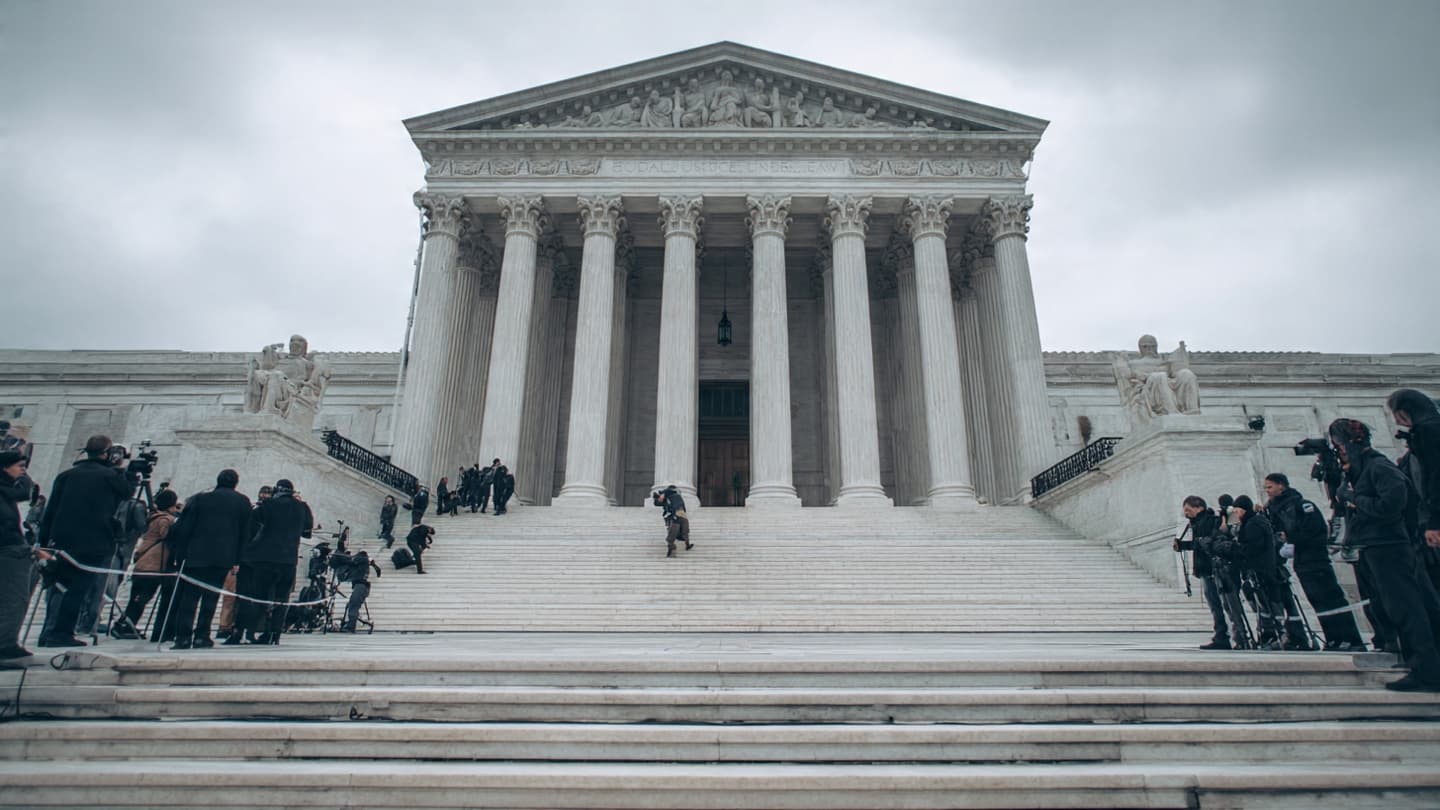
In the marble halls of the United States Supreme Court, decisions often travel far beyond legal texts and courtroom walls. They reach communities, families, and individuals whose futures may depend on a single interpretation of the law. This week, several major immigration rulings once again placed the nation's highest court at the center of a deeply consequential debate.
The Supreme Court issued a series of decisions involving immigration enforcement, asylum procedures, and temporary protections for certain groups of migrants. The rulings are expected to influence federal immigration policy and shape how lower courts handle related cases in the future.
Some decisions clarified the extent of executive authority in managing immigration programs, while others addressed procedural rights for migrants seeking legal relief. Legal analysts say the rulings may affect thousands of pending cases across the country.
Supporters of stricter immigration policies welcomed aspects of the decisions, arguing that clear legal standards are necessary to maintain an orderly immigration system. They emphasized the importance of consistent enforcement and administrative certainty.
Immigrant advocacy organizations, meanwhile, expressed concern about portions of the rulings that could limit legal protections or make it more difficult for certain individuals to remain in the United States while their cases proceed.
Legal scholars note that immigration law has become one of the most frequently contested areas before the Supreme Court. As political divisions persist, the judiciary increasingly plays a central role in determining how immigration policies are implemented.
The decisions arrive as immigration continues to rank among the most significant domestic policy issues in the United States. Border management, asylum processing, and humanitarian protections remain subjects of intense public and political discussion.
Federal agencies are now expected to review the rulings and determine how they will be incorporated into existing procedures. Additional legal challenges are also likely as policymakers and advocacy groups continue to test the boundaries of immigration law.
For many families awaiting decisions on their immigration status, the court's rulings represent not only legal developments but also deeply personal moments that may shape the course of their lives.
AI Image Disclaimer: The illustrations accompanying this article were created using artificial intelligence for editorial visualization purposes.
Source Verification Check: ABC News, Reuters, Associated Press, U.S. Supreme Court documents
Published by Banx Network. This article is part of the Banx decentralized media programme, powered by the BXE token on the XRP Ledger.