

Key Highlights
- Growing Concern:Many educators express worries about AI's impact on education.
- Benefits of AI:Teachers acknowledge AI's potential for personalized learning and research support.
- Guidelines Evolving:Schools are developing new policies for AI use in academic settings.
As artificial intelligence (AI) becomes increasingly integrated into daily life, educators across the United States are reflecting on its potential to reshape the learning landscape. Classrooms have traditionally been environments where curiosity thrives and knowledge is built through interaction and inquiry. However, the introduction of AI tools is prompting teachers to reconsider how education is delivered and experienced.
Recent surveys indicate a significant number of American teachers are apprehensive about the implications of AI on education. While many recognize the advantages that AI can offer—such as enhanced research capabilities, language support, and personalized learning experiences—there are pressing concerns regarding academic integrity, critical thinking, and student engagement. Teachers are particularly worried about the potential for generative AI to be misused in assignments and exams, which could undermine the development of independent reasoning skills among students.
In response to these challenges, schools and universities are beginning to implement new guidelines governing the use of AI in academic settings. Some institutions are promoting responsible use of AI technologies, while others are still in the process of evaluating appropriate policies. This evolving landscape highlights the need for educational institutions to adapt to the rapid advancements in technology while ensuring that the core values of education are preserved.
Education specialists emphasize that digital literacy will become increasingly vital as AI technologies continue to evolve. Understanding how these systems function, including their limitations and potential biases, is essential for future learners. As AI tools become more prevalent, educators are tasked with equipping students with the skills necessary to navigate this new digital landscape effectively.
Despite the growing presence of AI in education, many teachers stress the importance of human interaction in the learning process. Classroom discussions, mentorship, collaboration, and creativity are experiences that technology cannot fully replicate. Educators believe that maintaining a balance between technological innovation and the fundamental goals of teaching and learning is crucial for fostering an enriching educational environment.
As schools adapt to these rapidly changing technologies, educators continue to seek approaches that harmonize the benefits of AI with the enduring principles of effective teaching. The reflections of teachers on the role of AI in classrooms underscore the importance of thoughtful integration of technology in education, ensuring that it enhances rather than detracts from the learning experience.
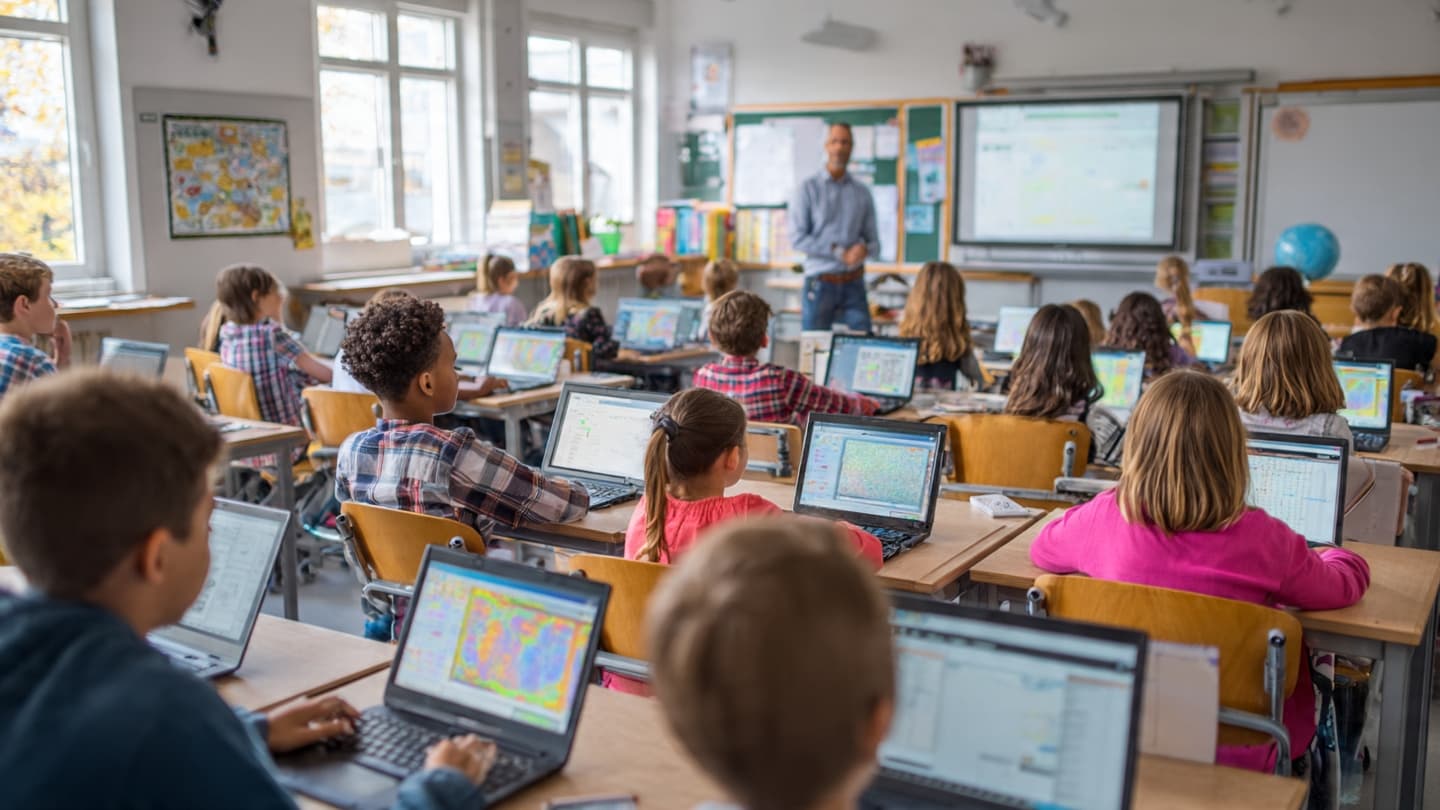
AI-generated image disclaimer: The illustrations associated with this article were generated using artificial intelligence to visually support the report.
Published by Banx Network. This article is part of the Banx decentralized media programme, powered by the BXE token on the XRP Ledger.




