Artificial intelligence is becoming part of everyday life in the United States, but public confidence in the industry’s ability to manage its risks remains uncertain. A Reuters/Ipsos poll published on September 22 found that three out of four Americans said AI companies were not doing enough to prevent a potential disaster.
The finding reflects a broader tension surrounding the rapid development of artificial intelligence. Companies are investing heavily in increasingly capable systems, while researchers, policymakers and members of the public continue to debate how potential risks should be identified and controlled.
The survey does not mean that Americans share one specific view about what an AI disaster would look like. Concerns can range from misinformation and privacy problems to economic disruption, cybersecurity risks and the possibility of more serious failures involving highly capable systems.
Public opinion is particularly significant because AI is moving beyond technology laboratories. Generative AI tools are increasingly appearing in workplaces, schools, customer-service systems and creative industries, making questions about safety increasingly connected to ordinary daily activities.
The Reuters/Ipsos findings also arrive during a period of intense competition among major AI companies. Developers are releasing new models at a rapid pace, while investors continue providing large amounts of capital for computing infrastructure and research.
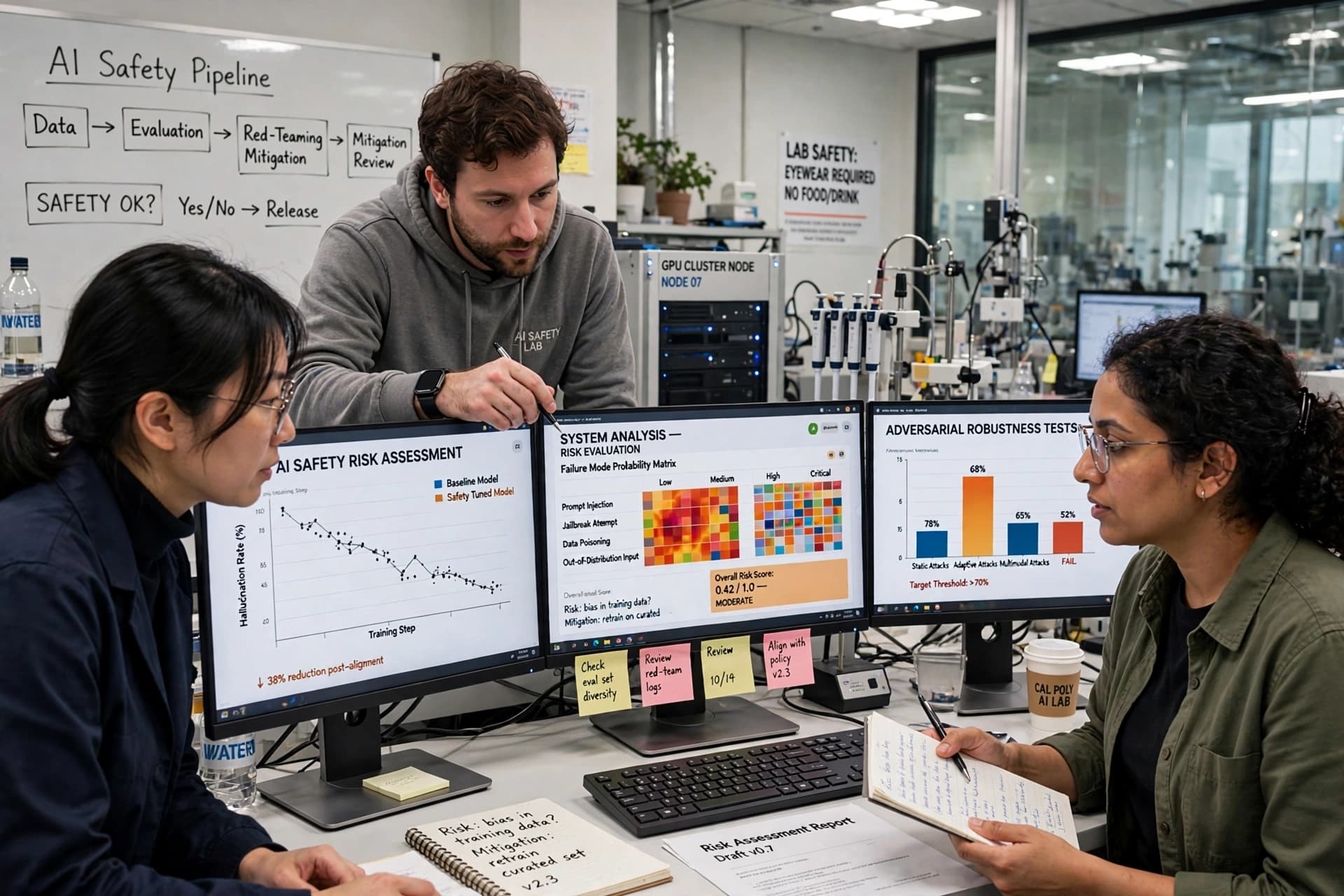
For companies, the challenge involves balancing technological progress with safeguards. AI systems must be tested for reliability, security and misuse risks, while developers also need to understand how systems behave when they encounter unusual or adversarial situations.
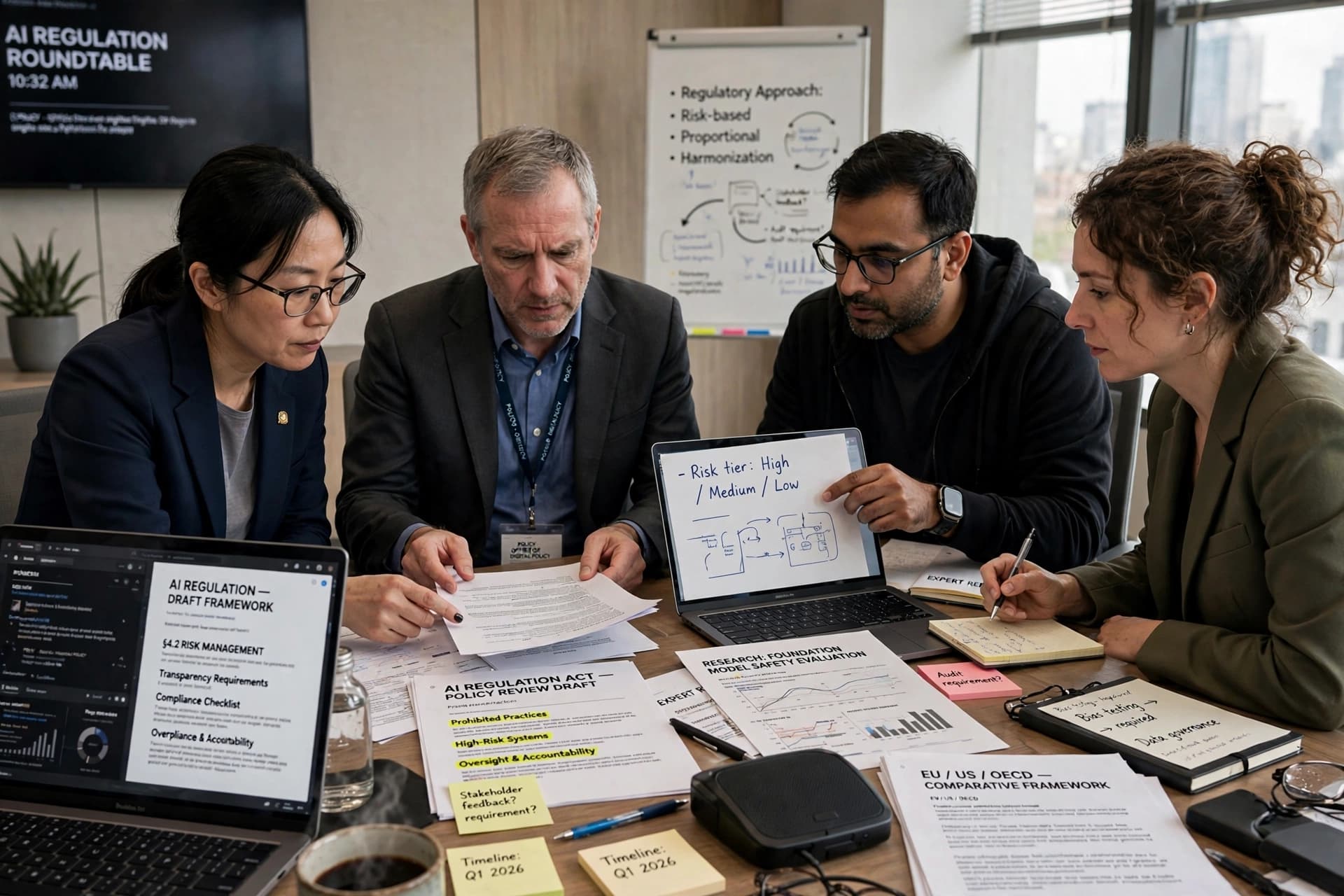
Government regulators have been examining these issues as well. Different approaches have emerged around the world, ranging from voluntary industry standards to more formal rules concerning privacy, transparency, safety testing and accountability.
The survey results provide a snapshot of public sentiment rather than a technical assessment of AI risk. Poll responses reflect what people believe and understand at a particular moment, while the actual probability and severity of different technological risks require separate scientific and policy analysis.
Still, the gap between technological development and public confidence is worth observing. When a new technology spreads quickly, trust can become as important as technical performance, particularly when people are being asked to use systems whose underlying mechanisms can be difficult to understand.
The Reuters/Ipsos poll therefore places a human measure alongside the rapid expansion of artificial intelligence. While companies continue to build more capable systems, the public conversation is increasingly focused on whether safety practices, oversight and accountability are developing at a pace that keeps up with the technology itself.
Image Disclaimer: These illustrations are AI-generated conceptual representations of public attitudes toward artificial intelligence. They do not depict actual survey respondents or research locations.
Sources: Reuters Ipsos AI safety research organizations
Published by Banx Network. This article is part of the Banx decentralized media programme, powered by the BXE token on the XRP Ledger.